
Nemapogon variatella
Nemapogon variatella
Description
How to identify
Nemapogon variatella is a species of moth belonging to the family Tineidae. It is a small moth often found in association with decaying plant matter and stored products.
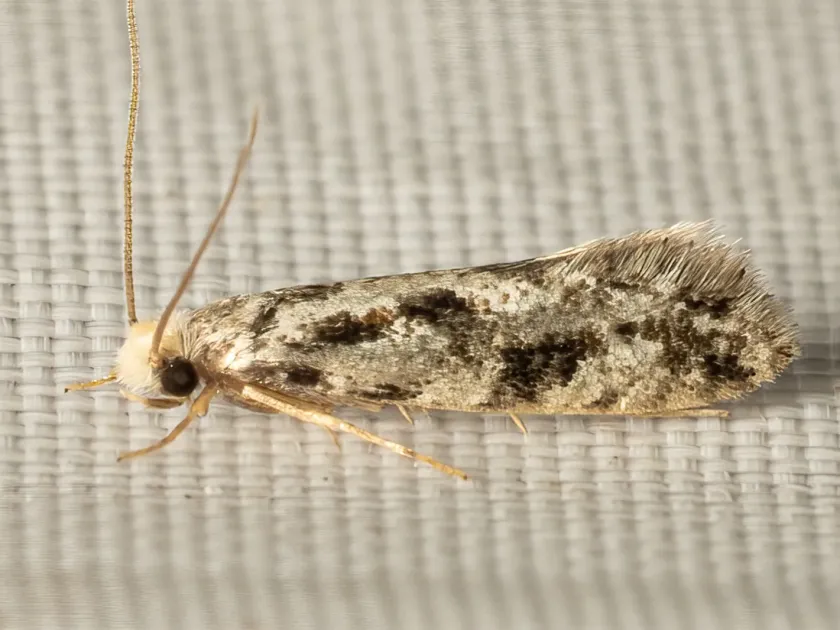
The adult moth has a wingspan of approximately 10–15 mm. The forewings are characterized by a mottled appearance, featuring shades of brown and gray that act as effective camouflage.
The larvae are typically creamy white with a distinct, darker head capsule. They are responsible for the damage caused to stored materials as they feed and construct silken galleries.
Pupation occurs within a protective cocoon made of silk and debris. These cocoons are often hidden in cracks, crevices, or directly within the damaged food source.
Accurate identification of the species relies on examining wing patterns and, for definitive confirmation, the analysis of male or female genitalia by an entomologist.
What it damages
The larvae of Nemapogon variatella are known for being generalist feeders on decaying plant materials, including stored seeds, grains, and processed products.
In agricultural settings, they are classified as warehouse pests. They thrive in environments where moisture levels are elevated, often attacking grain batches that are not properly stored.
Beyond grains, they are known to feed on fungal mycelium, dried medicinal herbs, and even some dried fruit, making them versatile pests in different types of storage facilities.
The economic impact is primarily due to the contamination of goods with silk, fecal pellets, and cast skins, which renders the product unacceptable for consumer use.
Heavy infestations can lead to significant biomass loss, as the larvae consume the grain embryos or flour, further reducing the overall quality and germination potential of the seeds.
Signs of infestation
The most immediate sign of an infestation is the presence of adult moths flying in the vicinity of stored stock, particularly during dusk or when the lights are dimmed.
Observers will notice thin, silken webbing across the surface of the grain or stored material, which is a clear indicator of larval movement and feeding activity.
Clumps of particles bound together by silk threads are often found in infested areas. These clumps act as protective environments for the growing larvae.
A noticeable musty or sour smell may develop in the storage area as the larvae and their waste products contribute to the breakdown of the stored goods.
Regular inspections often reveal the presence of fine dust and small larval skins, which accumulate around the base of silos or storage bins where the larvae are active.
Control measures
The most effective management strategy is to maintain a low-moisture environment in storage areas, as Nemapogon variatella prefers damp conditions for larval development.
Sanitation is critical; cleaning out spillages and removing dust or debris prevents the buildup of the initial breeding sites that sustain the population.
Using sealed storage containers or modified atmosphere packaging can help protect raw materials and finished products from adult moth entry and oviposition.
When an infestation is confirmed, professional fumigation using appropriate chemical agents remains the primary method for eliminating the larvae and adults within large grain stores.
Continuous monitoring using pheromone traps and light traps provides early warning signs, allowing for targeted pest management actions before the infestation becomes severe.
Taxonomy
- Latin name
- Nemapogon variatella
- Order
- Lepidoptera (butterflies)
- Family
- Tineidae
- EPPO code
- TINESE
Discussion
No discussions yet — be the first.