
Nemapogon
Nemapogon
Description
How to identify
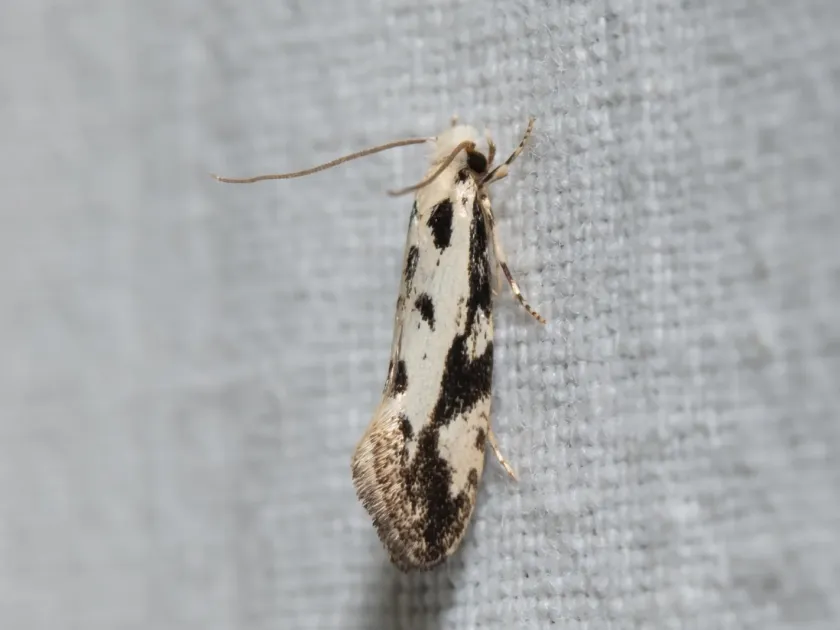
Nemapogon is a genus of moths belonging to the family Tineidae. These small insects typically have narrow wings with a span of 15–20 mm. Their coloration is usually mottled with shades of brown and gray, providing excellent camouflage against storage substrates, which makes their detection difficult.
The larvae of Nemapogon species are whitish with brown head capsules. They are known for their cryptic behavior, constructing silken tubes or cases within the substrate they inhabit. They feed primarily on fungal mycelium, decaying plant material, and debris, which distinguishes them from many other grain pests.
The life cycle consists of egg, larva, pupa, and adult stages. Under optimal conditions (20–25°C), the cycle is completed in about 6 to 8 weeks. Humidity is the critical environmental factor that dictates the population growth rate of these moths in stored environments.
Adult moths are primarily active at night. Females lay their eggs directly on organic material that already shows signs of fungal growth or is damp enough to support it, ensuring that larvae have an immediate food source upon hatching.
These moths are highly adapted to indoor environments like warehouses, basements, and barns where organic dust and moisture accumulate, providing an ideal microclimate for their continuous development.
What it damages
The primary damage caused by Nemapogon is the degradation of agricultural stocks that are already affected by molds. Because they are mycetophagous, they consume the mycelium of fungi growing on stored grain, animal feed, and processed vegetable matter.
Beyond direct consumption, the larvae cause contamination through their silken webbing, excrement, and discarded pupal cases. This significantly degrades the quality and marketability of the product, often making it unsuitable for human consumption or animal feeding.
Damaged stocks usually exhibit clumping due to the webbing, which hampers aeration within the grain pile and may lead to localized hotspots of moisture and further fungal growth, exacerbating the infestation.
Economic losses are often associated with the secondary impact of the pest; while they may not consume large volumes of healthy grain, their presence is a clear indicator of poor storage conditions and excessive moisture levels.
In addition to agricultural products, they can damage wood in moist conditions, plant collections, and other organic items in warehouses where sanitation standards are neglected.
Signs of infestation
Visible webbing on the surface of grain piles or storage bags is the most common sign of an infestation. The larvae create intricate galleries of silk that bind together particles of the substrate, forming visible clusters or webs.
- Observation of adult moths flying near storage areas.
- Presence of silken tubes attached to walls or storage structures.
- A musty smell in the storage facility, indicating both mold growth and moth activity.
- Discoloration or texture changes in the outer layers of the stored material.
- Finding cast-off larval skins or pupal shells within crevices or container seams.
Control measures
The most effective strategy for managing Nemapogon is the rigorous control of moisture. Keeping grain and other stocks dry (below 14% moisture content) prevents the growth of the mold that serves as the primary food source for the larvae.
Maintaining strict warehouse sanitation is essential. Regular cleaning of dust, spills, and debris prevents the establishment of breeding sites. Storage areas should be kept well-ventilated to prevent localized high-humidity zones.
For established infestations, warehouse fumigation using phosphine-based products is the standard procedure. It is essential that the facility is airtight to ensure effective coverage and total mortality of the pest in all developmental stages.
Pheromone-based monitoring traps provide an early warning system for the presence of adult moths. By identifying the initial stages of an infestation, producers can intervene before significant damage occurs.
Preventive treatments of empty storage facilities using residual insecticides can help block the colonization of the warehouse before new shipments of grain are brought in for long-term storage.
Taxonomy
- Latin name
- Nemapogon
- Order
- Lepidoptera (butterflies)
- Family
- Tineidae
- EPPO code
- NMPOSP
Discussion
No discussions yet — be the first.