
Sunbirds
Nectarinia
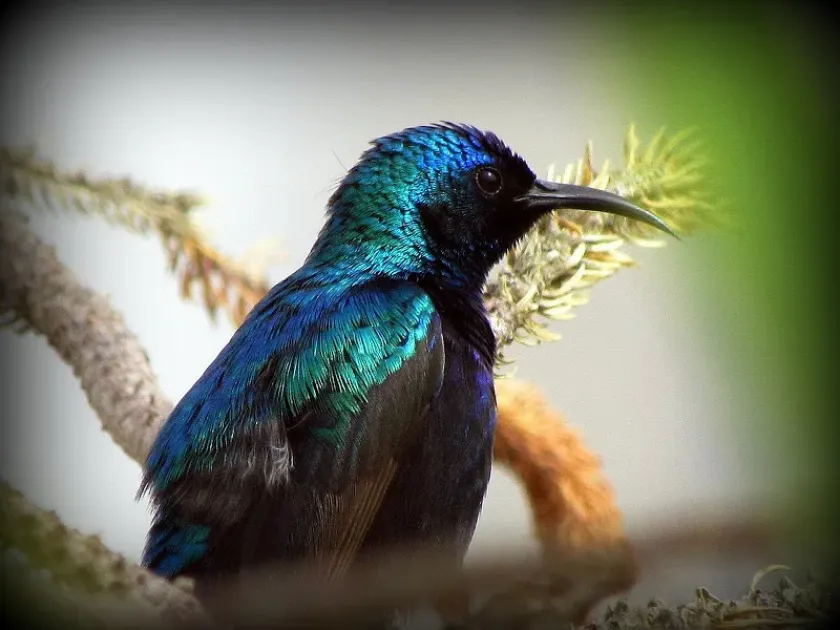
Description
How to identify
Sunbirds (genus Nectarinia) are a group of small passerine birds native to tropical regions of Africa and Asia. While they are ecologically vital pollinators, their feeding habits can sometimes conflict with agricultural production.
They are characterized by long, slender, down-curved bills that allow them to reach deep into nectar-rich flowers. Their iridescent plumage makes them highly visible and distinguishable in orchard environments.
Biologically, they belong to the family Nectariniidae within the order Passeriformes. Because of their specialized diet, they are often attracted to high-sugar concentrations in the flowers of cultivated plants.
Understanding their behavior is essential for fruit growers. Although they are not traditional insect pests, their interaction with flowering crops can result in significant economic damage in specific contexts.
It is crucial to recognize that sunbirds play a dual role in nature, acting as both beneficial pollinators and opportunistic foragers that can disrupt fruit set.
What it damages
The primary damage caused by sunbirds is known as 'nectar robbing'. Instead of visiting flowers properly to assist with pollination, the birds pierce the base of the flower to access the nectar directly.
This action prevents natural pollination from occurring, causing the flower to wither and fall prematurely. Consequently, the crop fails to set fruit, leading to a direct decrease in final yield.
Furthermore, the physical wounds created by the bird's beak at the base of the flower serve as entry points for pathogens. This often leads to secondary infections such as fungal rot or bacterial blight.
Crops with tube-like flowers, such as certain citrus varieties, bananas, and exotic ornamental plants, are particularly susceptible to this type of foraging damage.
The severity of the damage is often tied to the intensity of the sunbird population in the area and the lack of alternative food sources during the flowering peak.
When it appears
Sunbird activity is highly seasonal and strictly correlates with the flowering stages of the host plants. They appear most frequently when crops reach the peak bloom phase.
These birds follow a daily routine, with feeding intensity peaking during the early morning and late afternoon. During these times, they are actively scouting for the most nectar-productive blooms.
In tropical climates, where flowering can occur year-round, sunbird pressure may be persistent. In arid regions, their activity increases significantly during dry spells as they seek moisture from nectar.
Farmers should begin monitoring for sunbirds as soon as the first buds appear on the trees. Early identification allows for timely implementation of protective measures before pollination is impacted.
Migration patterns of specific local sunbird species can also dictate when they arrive at an orchard, which is critical information for planning farm activities.
Signs of infestation
The most reliable sign of sunbird activity is the presence of puncture holes or lacerations at the base of the flower calyx. These marks are distinct and typically appear as clean, sharp incisions.
A sudden, unexplained drop of unopened buds or recently opened flowers is another major indicator. If the ground under the trees is littered with intact flowers, it suggests non-natural shedding.
The birds themselves are quite vocal and active. Seeing small, iridescent birds moving rapidly between branches in a garden or orchard is a direct sign of their presence.
Damage to the base of the flower often results in browning or localized decay as the plant tissue reacts to the piercing. This discoloration is a visible clue that the site was recently visited by foragers.
Reduced fruit sets on specific branches or trees that show high bird traffic confirm that the plants are experiencing negative impacts from nectar-robbing behavior.
Control measures
The most effective method of control is physical exclusion using bird-proof netting. This is especially recommended for high-value crops where absolute protection is necessary.
Visual deterrents, such as reflective tape or model predators (e.g., owl or hawk figures), can provide temporary relief by disrupting the birds' feeding routines.
Integrated farm management includes the use of distraction planting. By cultivating nectar-rich non-commercial plants on the farm's periphery, growers can divert the birds away from primary crops.
Encouraging the presence of natural predators, such as larger raptors, can help maintain the sunbird population at a manageable level without the need for harmful interventions.
- Use fine-mesh bird netting;
- Install reflective deterrents;
- Plant distraction nectar-sources;
- Encourage natural predator presence;
- Monitor bloom stages consistently.
Taxonomy
- Latin name
- Nectarinia
- Family
- Nectariniidae
- EPPO code
- NCTRSP
Discussion
No discussions yet — be the first.