
Neaspilota alba
Neaspilota alba
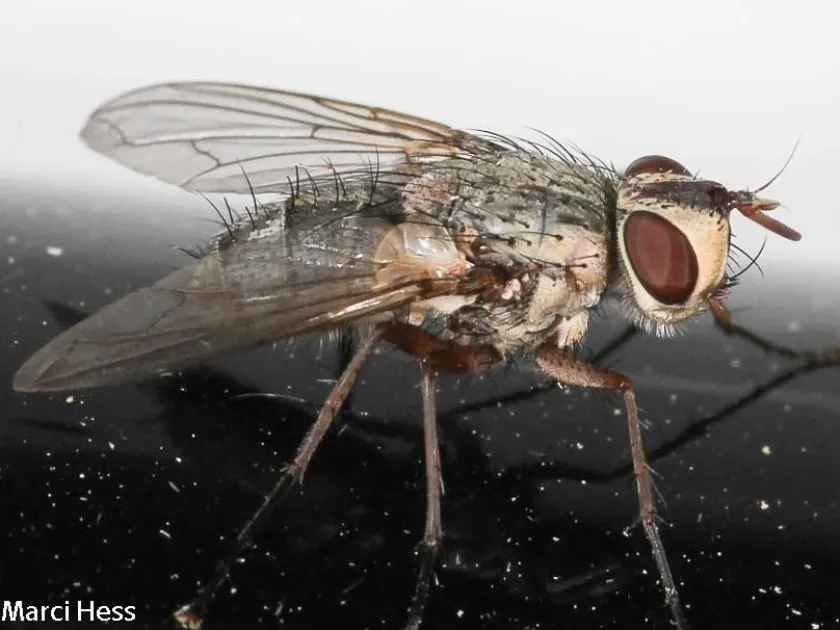
Description
How to identify
Neaspilota alba is a species of fruit fly belonging to the Tephritidae family, order Diptera. These flies are characterized by a distinctive net-like pattern on their wings and a small, hairy body that helps them blend into their floral environment.
As members of the Tephritidae family, they are highly specialized in their habitat requirements. Adults are typically found in the vicinity of host plants, where they feed on nectar and pollen, contributing to their survival before the egg-laying phase.
The larvae of this species are legless, cylindrical, and pale-colored. They live entirely within the flower heads of host plants, which makes them highly protected from environmental factors but difficult to identify by casual observation.
The biological cycle consists of four stages: egg, larva, pupa, and adult. This complete metamorphosis allows the species to occupy specific ecological niches within the Asteraceae family, synchronizing its life cycle with the blooming period of its host plants.
Depending on the climatic zone, one or more generations per year may occur. The development is highly dependent on temperature and the availability of suitable host inflorescences for larval growth.
What it damages
The primary hosts of Neaspilota alba are plants within the Asteraceae family. Sunflowers are among the most economically significant crops affected by this pest, alongside various ornamental flowers and wild weeds that act as alternate hosts.
Larval feeding occurs within the flower head, where they consume the receptacle and developing seeds. This direct feeding leads to poorly developed, shriveled, or empty seeds, resulting in significant yield losses during harvest time.
The structural damage caused by larvae often compromises the integrity of the flower head. This creates entry points for various secondary pathogens, including bacteria and fungi, which can lead to rot and the premature decay of the plant's reproductive organs.
The extent of the damage is proportional to the pest's population density. In fields with high infestation rates, the quality of the harvested seeds is drastically reduced, affecting both oil content and the overall commercial value of the crop.
Because the larvae are internal feeders, the early stages of infestation are often unnoticed until visible signs such as necrotic spots or stunted growth of the flower head become apparent, by which time the damage is usually irreversible.
Control measures
Preventative cultural practices are essential for managing Neaspilota alba. The most effective step is the regular removal of wild host plants, particularly weeds belonging to the Asteraceae family, from field edges and surrounding non-crop areas.
Crop rotation is another vital strategy to reduce the pressure of this pest. By moving host crops to new locations away from previous infestation sites, farmers can break the life cycle and reduce the localized population of overwintering pupae.
Chemical control should be timed strategically, focusing on the adult fly stage before egg-laying occurs. Application of insecticides during the budding and early flowering stages is crucial to preventing the larvae from establishing themselves inside the flower heads.
When selecting chemical treatments, it is important to choose options that minimize impact on beneficial pollinators, such as honeybees, which are essential for sunflower production. Integrated Pest Management (IPM) guidelines should always be followed.
Biological control methods, such as encouraging the presence of natural parasitoids (small wasps that prey on fly larvae), can help suppress populations naturally. Maintaining hedge rows or buffer zones with diverse vegetation can support these beneficial insect populations.
Taxonomy
- Latin name
- Neaspilota alba
- Order
- Diptera (flies)
- Family
- Tephritidae
- EPPO code
- NEAIAL
Discussion
No discussions yet — be the first.