
Mirificarma mulinella
Mirificarma mulinella
Description
How to identify
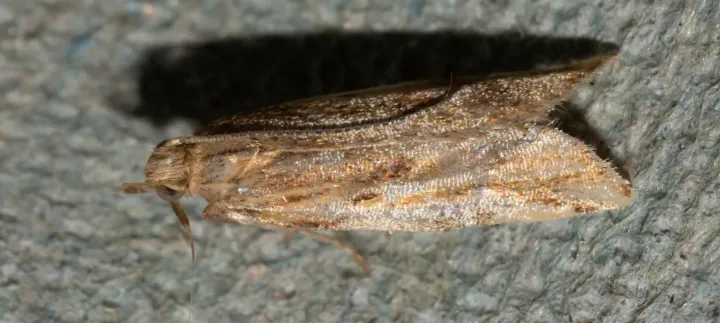
Mirificarma mulinella is a small moth belonging to the Gelechiidae family. The adult has a wingspan of approximately 12–15 mm and features brownish-grey coloration, which acts as excellent camouflage within its natural habitat.
The life cycle consists of four distinct stages: egg, larva, pupa, and adult. As the larvae develop through several instars, their appearance shifts, making them difficult to track without specific entomological knowledge.
Adult moths are primarily nocturnal, which explains why they are rarely seen during the day. Monitoring their presence typically requires the use of light traps or pheromone dispensers placed within the field.
Pupation generally occurs in the upper layers of the soil or protected spaces within plant debris. This biological preference makes soil cultivation an essential component of the integrated pest management strategy.
The species is highly adapted to temperate climates, allowing it to maintain stable populations in regions where leguminous crops are grown extensively.
What it damages
This pest specifically targets legumes (Fabaceae), with chickpea crops being among the most susceptible. The larvae inflict damage by feeding on both vegetative and reproductive plant parts, leading to significant yield losses.
Larval feeding on buds and flowers prevents successful pollination and pod formation. This result is often manifested as sparse crops and reduced grain quality, impacting the overall marketability of the harvest.
Upon entering the developing pods, larvae consume the seeds directly. This direct damage is particularly problematic as it affects the core quality of the product and reduces seed viability.
The physical damage caused by larval feeding often opens pathways for secondary infections, such as mold and bacterial rots, which can exacerbate the total damage caused to the yield.
The intensity of the damage often correlates with the population density of the larvae during the crop's flowering and pod-filling stages, necessitating precise management during these critical windows.
When it appears
Adult moths typically emerge in the spring once temperatures consistently rise above the threshold required for their reactivation. This timing marks the beginning of the initial flight and oviposition period.
The period of maximum larval activity aligns with the flowering and pod formation phases of leguminous crops. This is the most crucial time for farmers to conduct field inspections to evaluate pest pressure.
Under favorable weather conditions, a second generation may occur during the summer. This extended active period can pose an increased threat, especially to late-planted varieties of legumes.
As autumn approaches, the insect prepares for dormancy. It transitions to the pupal stage, seeking refuge in the soil or crop stubble to survive the winter temperatures successfully.
Understanding the seasonal emergence patterns allows for better scheduling of field interventions, ensuring that crop protection measures are applied exactly when the pest is most vulnerable.
Signs of infestation
The most visible signs of an infestation include webbed tops and curled leaves. The larvae use these structures as protective chambers while they feed on fresh plant tissues.
Frass (larval excrement) found on leaves or near floral parts is a clear indicator of active feeding. Distorted buds and holes in the pods are also common indicators that the moth is present.
If an affected pod is opened, one may find the larvae themselves or evidence of hollowed-out seeds. These signs are essential for distinguishing this pest from other types of crop damage.
Pheromone traps provide the most reliable evidence of moth presence. Monitoring these traps allows growers to identify the beginning of the adult flight before major damage occurs.
Regular scouting of the fields during the reproductive stages of the crop is highly recommended to detect any localized outbreaks before they expand across the entire production area.
Control measures
Effective management relies on a combination of cultural and chemical methods. Crop rotation is a fundamental practice that helps reduce the localized buildup of the pest population over time.
Deep plowing in the autumn is a highly effective cultural measure, as it exposes overwintering pupae to the surface, significantly reducing their survival rate. Weed control is also vital to remove alternative hosts.
Chemical control should be implemented during the peak hatching period of the larvae. Using systemic or contact insecticides helps to lower the infestation level before irreparable damage occurs to the pods.
- Regular monitoring with pheromone traps.
- Strategic timing of insecticide applications.
- Preservation of beneficial insects that predate on larvae.
When applying insecticides, it is important to follow labels carefully to avoid harming pollinators and to prevent the development of pesticide resistance in the moth population.
Taxonomy
- Latin name
- Mirificarma mulinella
- Order
- Lepidoptera (butterflies)
- Family
- Gelechiidae
- EPPO code
- MIRFMU
Discussion
No discussions yet — be the first.