
Metzneria
Metzneria
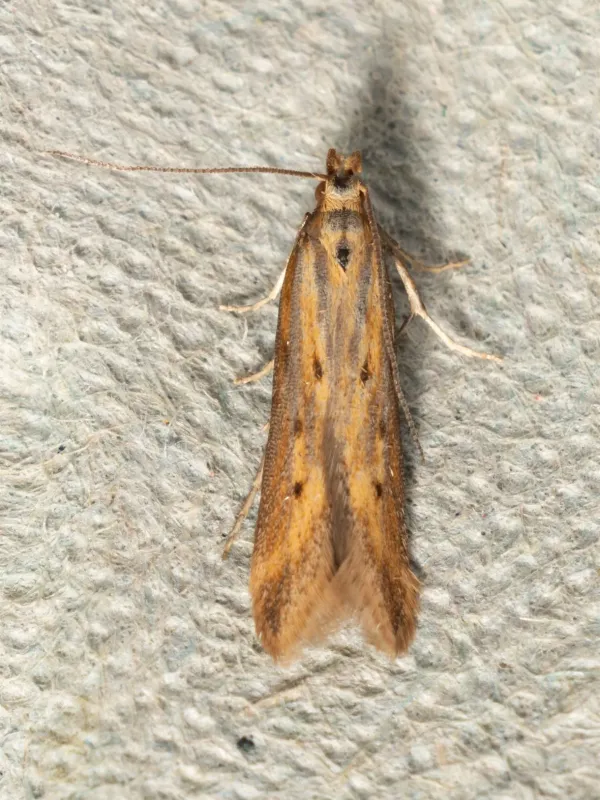
Description
How to identify
Metzneria is a genus of moths belonging to the Gelechiidae family, commonly known as twirler moths. They are recognized by their narrow wings, often featuring a characteristic fringe along the margins.
The adult moths are typically small and possess cryptic coloration, which helps them blend into their surroundings, making them difficult to detect in a field or garden environment.
The life cycle involves larval development hidden within the reproductive organs of host plants, particularly those in the Asteraceae family. This makes them a cryptic pest that often goes unnoticed until significant damage has already occurred.
Biology of the genus relies on host-specific interactions. The moths are adapted to complete their development inside the flower heads, utilizing the high nutritional value of the developing seeds.
Morphologically, larvae are equipped with strong mandibles adapted for boring into plant tissues. Their secretive nature is the primary survival strategy that challenges agricultural management efforts.
What it damages
The primary damage is caused by the larvae, which bore into the flower heads and consume the developing seeds. This direct destruction of reproductive potential can lead to major yield losses.
Common host plants include various species of cornflowers, thistles, and other members of the Asteraceae family. In seed production fields, this pest can be highly destructive and economically damaging.
In addition to feeding on seeds, the larvae disrupt the structural integrity of the flower head. This leads to malformation, premature wilting, and reduced ornamental value in decorative species.
Secondary damage often occurs when larval boreholes allow pathogens, such as fungi or bacteria, to enter the plant tissue, leading to rot and further degradation of the crop.
Heavy infestations not only destroy the current crop's seed production but also weaken the overall health of the plant, potentially impacting its resistance to other stressors.
When it appears
The flight period of adult moths typically occurs during the peak flowering season of their host plants. Timing varies depending on regional climate and specific environmental conditions.
Eggs are laid by females directly onto or near the flower buds. This ensures that the newly hatched larvae have immediate access to the internal tissues they need for food and shelter.
Larval activity reaches its peak during the seed-filling stage of the host plant. This is the period when the larvae are most active and responsible for the greatest amount of consumption.
Overwintering usually takes place in the larval or pupal stage. They hide within plant debris, dried flower heads, or the top layer of soil, awaiting favorable conditions for the following spring.
Climate factors such as temperature and humidity heavily influence the speed of generations. Warmer seasons often lead to increased population densities and more severe outbreaks.
Signs of infestation
The most common sign of infestation is the presence of tiny entry or exit holes found on the flower heads. These holes are often accompanied by small piles of larval frass (waste).
Infested flower heads often appear deformed or stunted compared to healthy ones. If opened, they may reveal the presence of larvae and internal webbing used for protection.
Premature drying or browning of the flower head, despite adequate water supply, is a strong indicator of internal feeding activity that has damaged the vascular tissues or seed-bearing areas.
In seed samples, low germination rates and visible damage or holes in the seeds are definitive proof of Metzneria larval activity during the maturation process.
Observations of adult moths flying around host plants during twilight or dusk hours are early indicators that mating and egg-laying are taking place in the field.
Control measures
Cultural control is the most effective preventative measure. This includes the complete destruction of crop residues post-harvest to eliminate the overwintering sites of the larvae.
Deep plowing of the soil after harvest helps bury larvae and pupae, preventing the emergence of the next generation of moths and reducing population numbers significantly.
Chemical control should be timed based on moth flight monitoring. Insecticides are most effective when applied before the larvae have fully penetrated deep into the flower heads.
Biological control methods, such as the use of specific parasitoid wasps or microbial pesticides, can be integrated into a broader pest management strategy to minimize environmental impact.
- Implement crop rotation to break the life cycle of host-specific pests.
- Remove alternative host weeds (especially Asteraceae) from field borders to minimize reservoirs.
- Use light or pheromone traps to monitor adult flight and optimize the timing of interventions.
- Prioritize the use of systemic insecticides if pest pressure exceeds economic thresholds.
Taxonomy
- Latin name
- Metzneria
- Order
- Lepidoptera (butterflies)
- Family
- Gelechiidae
- EPPO code
- METZSP
Discussion
No discussions yet — be the first.