
Metopleura potosi
Metopleura potosi
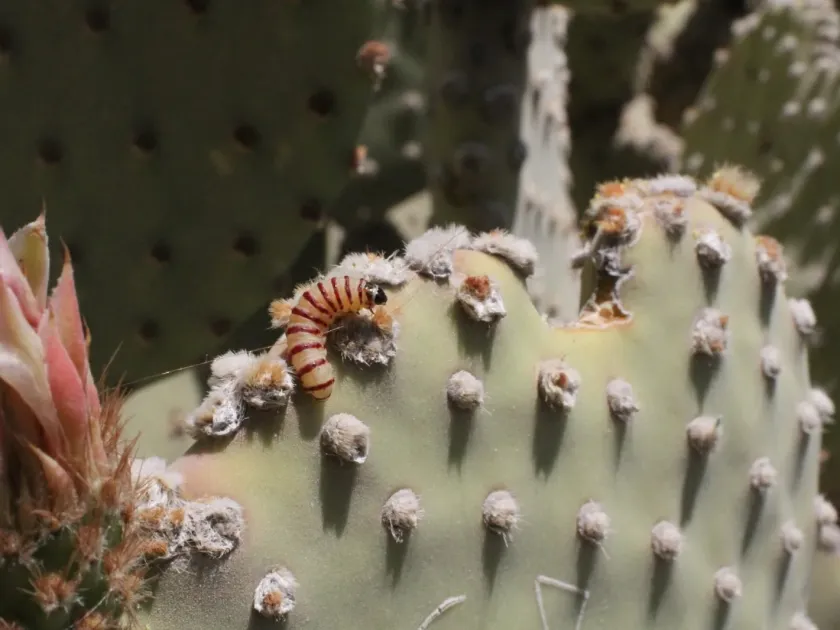
Description
How to identify
Metopleura potosi is a species of insect belonging to the order Hemiptera (true bugs), specifically within the family Scutelleridae, often known as shield-backed bugs.
The adults are characterized by their distinct oval shape and a large, hardened scutellum that completely covers the abdomen and wings, providing a protective armor-like structure.
Their coloration is typically cryptic, blending in with the foliage and stems of host plants, which makes detection challenging during the early stages of infestation.
Like other true bugs, they possess a specialized piercing-sucking mouthpart called a rostrum, which is essential for extracting nutrients from plant tissues.
Females are generally larger than males, a common dimorphic trait in this family that is useful to know when performing field counts and population assessments.
What it damages
Metopleura potosi primarily feeds on plants within the Poaceae (grass) family, posing a potential threat to essential cereal crops such as wheat, barley, and oats.
The insect targets the reproductive organs of the plants, particularly the developing grains in the milk or dough stages, causing direct physiological damage.
Both adults and nymphs feed by inserting their rostrum into the grain, draining the sap and preventing the kernel from filling properly, leading to shriveled or empty grains.
This feeding behavior not only causes direct yield loss in weight but also significantly degrades the quality of the harvested grain for milling and seed purposes.
Furthermore, the physical damage created by the feeding process leaves the plant vulnerable to secondary infections by various pathogens that can cause further rot and quality reduction.
When it appears
The lifecycle of Metopleura potosi is closely linked to the phenological development of host grasses, ensuring the insects emerge when the nutrient supply is optimal.
Adults overwinter in protected sites such as soil debris, leaf litter, or near hedge rows, emerging as temperatures rise in the spring to search for host plants.
After finding suitable host plants, the females lay eggs on the leaves, starting the development of the next generation of nymphs which undergo several growth stages (instars).
The duration and activity of these insects depend on regional climate factors, with warmer conditions generally accelerating their development and increasing potential generation counts.
As the season progresses and the crops mature, the adults move toward overwintering sites to enter a dormant state, concluding their active cycle on the fields.
Signs of infestation
The most noticeable indicator of an infestation is the presence of blighted, shriveled, or prematurely empty grains within the ear of the crop during field inspection.
Look for small, discolored puncture marks on the stems and glumes, which indicate where the insects have been feeding for extended periods.
Field observation is often best done during the cooler parts of the day when adults are slightly less active and can be found hiding within the density of the crop canopy.
Patchy maturation within a field, where certain clusters of plants appear to senesce or dry out faster than others, is a strong signal of a concentrated pest population.
The presence of insect waste products (frass) or the cast skins of nymphs (exuviae) on the lower parts of the plant can also serve as a diagnostic sign of their presence.
Control measures
Effective management begins with robust agricultural practices, such as the removal of weeds and crop residues, which are crucial for minimizing overwintering success.
Strategic crop rotation helps break the life cycle of the pest, making it more difficult for established populations to find suitable hosts in consecutive growing seasons.
If the population reaches an economic injury level, the application of targeted insecticides, such as pyrethroids, is recommended to prevent significant harvest losses.
Regular scouting using sweep nets or visual examination of grain heads is necessary to determine the optimal timing for chemical intervention to ensure maximum efficacy.
Integrating biological controls, such as encouraging local predators or utilizing microbial agents, is a growing field of interest for long-term sustainable pest management.
Taxonomy
- Latin name
- Metopleura potosi
- Order
- Lepidoptera (butterflies)
- Family
- Gelechiidae
- EPPO code
- MTPLPO
Discussion
No discussions yet — be the first.