
Metopleura
Metopleura
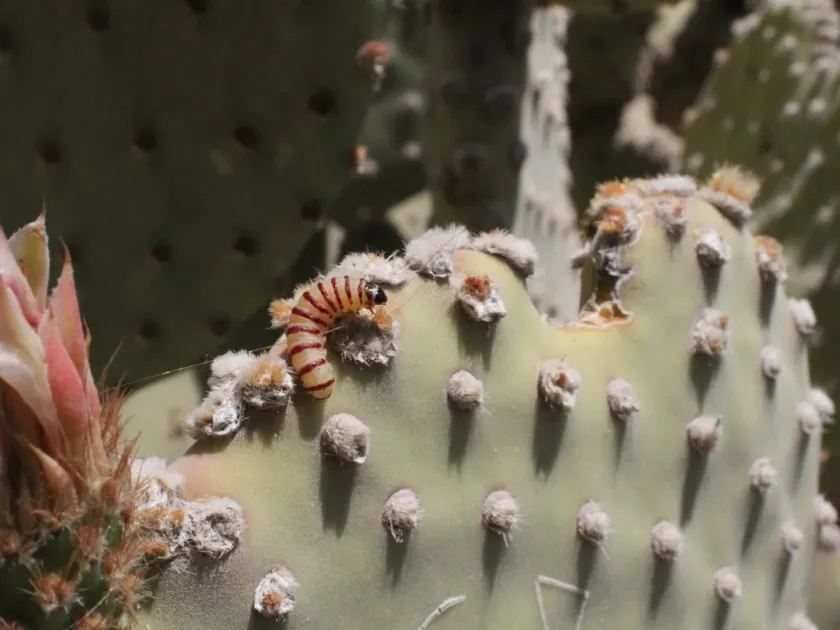
Description
How to identify
Metopleura is a genus of insects belonging to the Curculionidae family, which are commonly known as true weevils, within the order Coleoptera. These beetles are characterized by their specific thoracic structure.
Adult weevils are generally small and often possess scales or setae that serve as camouflage, blending them into their environment on plants or soil surfaces.
Their life cycle includes complete metamorphosis, consisting of the egg, larva, pupa, and adult stages, which is standard for the Curculionidae family.
Larvae are typically concealed feeders, spending their development time inside plant stems, roots, or reproductive parts, which protects them from environmental factors.
Adults are active during warmer months, primarily feeding on plant foliage and serving as the reproductive stage responsible for egg-laying.
What it damages
Metopleura species are known to infest various wild plants, but they can occasionally become pests in agricultural settings, affecting vegetable and fodder crops.
The larvae are responsible for the most significant damage, as they tunnel through stems or consume root tissues, leading to plant stunting and vascular disruption.
Adult feeding results in characteristic leaf-notching, where the edges of leaves are eaten away, thereby reducing the plant's capacity for photosynthesis.
Heavy infestations can lead to substantial yield losses, particularly when seedlings are attacked, often causing total plant failure in the early growth stages.
Damaged plants often exhibit reduced vigor, making them more susceptible to secondary infections from fungi and bacteria that enter through the feeding sites.
Signs of infestation
Notched or ragged leaf edges are the primary indicators of adult feeding activity, usually visible during the spring and early summer growing seasons.
Plants that begin to wilt despite adequate moisture levels often indicate internal damage to the stem or root system caused by tunneling larvae.
Evidence of larval activity can be found by inspecting the base of the plant stem, where entrance holes or signs of tissue decay might be present.
The presence of small beetles on the undersides of leaves or near the base of the plant during the early morning is a clear sign of infestation.
General yellowing (chlorosis) or distorted growth of the foliage is a late-stage sign that the plant's nutrient transport system has been compromised.
Control measures
Cultural control is the first line of defense, involving strict crop rotation and the removal of weeds that act as alternative hosts for the beetle.
Deep autumn plowing of fields is an effective method to disturb the soil, exposing pupae and larvae to predators and unfavorable winter conditions.
Systemic insecticides are recommended when economic thresholds are met, as these chemicals can penetrate plant tissues to reach hidden larvae.
Biological control, including the application of entomopathogenic nematodes or fungi, can be used to target soil-dwelling stages without disrupting beneficial organisms.
Monitoring using pheromone or sticky traps helps identify the onset of adult activity, allowing for timely intervention before the pest population expands.
Taxonomy
- Latin name
- Metopleura
- Order
- Lepidoptera (butterflies)
- Family
- Gelechiidae
- EPPO code
- MTPLSP
Discussion
No discussions yet — be the first.