
Metcalfiella
Metcalfiella
Description
How to identify
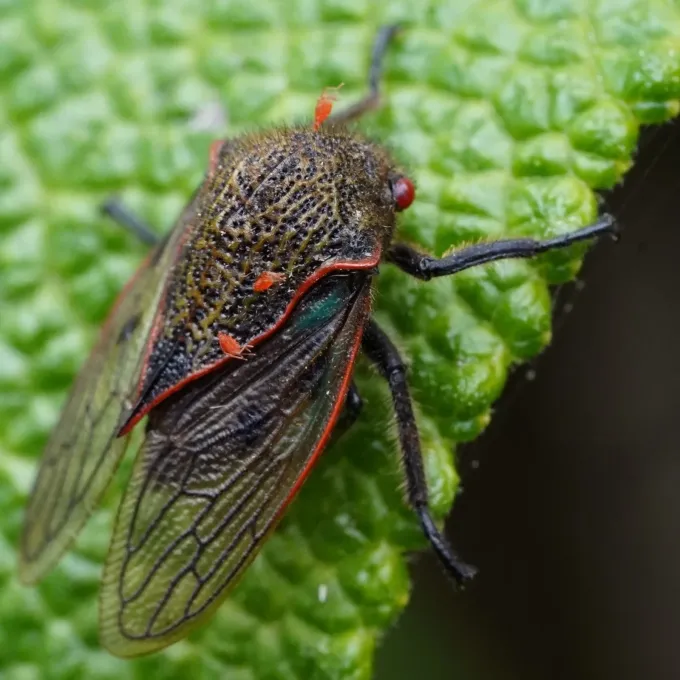
Metcalfiella is a genus of treehoppers belonging to the family Membracidae (order Hemiptera). These insects are renowned for their highly specialized pronotum, which often extends into bizarre shapes that mimic thorns, leaves, or woody protuberances, providing perfect camouflage.
Adults possess a rigid, sclerotized exoskeleton, usually colored in earthy tones of brown or grey. This coloration, combined with their motionless behavior, allows them to blend seamlessly into the bark of their host trees, making them difficult to detect.
Their lifecycle follows a hemimetabolous pattern, meaning they undergo incomplete metamorphosis. Nymphs often look like miniature, wingless versions of adults and may be covered in protective substances, such as waxy filaments or spines, to deter predators.
Eggs are typically inserted into the bark or young stems of host plants using the female's sharp ovipositor. This placement offers the developing nymphs immediate access to phloem sap once they hatch, ensuring their survival.
These insects are sedentary for the most part of their life cycle, staying in compact colonies on specific branches. They rely heavily on their protective appearance to avoid detection by birds and other insectivorous predators.
What it damages
Both adults and nymphs feed by inserting their piercing-sucking mouthparts into the phloem of the plant. By extracting essential nutrients, they drain the plant's energy, which is particularly detrimental during the active growth season.
Preferred hosts include a variety of woody plants, ranging from fruit-bearing trees to ornamental shrubs and forest saplings. They target the tender, nutrient-rich tissues of young branches and shoots.
The feeding process causes more than just loss of nutrients; it creates physical wounds on the stems. These punctures serve as entry points for various opportunistic pathogens, including fungi and bacteria, leading to further necrosis of the tissue.
Heavily infested branches often show signs of stunted growth, leaf curling, or premature yellowing. This damage impairs the tree’s photosynthetic capacity and can lead to the decline of overall vigor.
In nursery settings, persistent infestation can result in the loss of aesthetic value or even the death of young plants, necessitating active management to prevent significant economic losses.
Signs of infestation
The most direct indicator of a Metcalfiella infestation is the presence of the insects themselves, usually found in clusters on the stems. Their unique "humped" appearance is a dead giveaway once they are spotted.
As they feed, they excrete a sticky substance known as honeydew. This sugary waste falls onto the leaves and branches below, frequently attracting sooty mold, which manifests as a black, powdery coating on the plant surface.
Close inspection of the stems will reveal small, pock-like scars or localized swellings. These are the result of female oviposition and feeding, which disrupt the normal development of the plant's vascular tissue.
General symptoms of the plant include yellowing foliage, wilting of terminal shoots, and overall poor condition. When shaken, branches may appear to have debris on them, which, upon closer look, are the insects shifting position.
Monitoring is best conducted during sunny periods when the insects are most active. However, they are highly sensitive to movement and often retreat to the shadowed side of the branch when approached.
Control measures
Management of Metcalfiella requires an integrated approach. Cultural control is the first line of defense; pruning and disposing of heavily infested branches helps to significantly reduce the population density in a garden or orchard.
Chemical control involving systemic insecticides is effective as the poison is distributed within the plant tissues, directly affecting the sucking pests. It is best applied early in the season when the nymphs are most vulnerable.
Biological control plays a key role in natural ecosystems. Encouraging beneficial insects, such as ladybugs, lacewings, and parasitic wasps, can help keep treehopper populations at manageable levels without the use of harsh chemicals.
Maintaining plant health through proper fertilization and watering is essential, as stressed trees are much more susceptible to colonization by these pests compared to well-maintained specimens.
- Regular inspection of bark and stems in early spring.
- Application of horticultural oils to suffocate egg masses.
- Use of sticky traps for monitoring adult flight patterns.
- Sanitation by removing weeds that may harbor the pests.
Taxonomy
- Latin name
- Metcalfiella
- Order
- Hemiptera (bugs, aphids, leafhoppers)
- Family
- Membracidae
- EPPO code
- METCSP
Discussion
No discussions yet — be the first.