
Aconophora projecta
Aconophora projecta
Description
How to identify
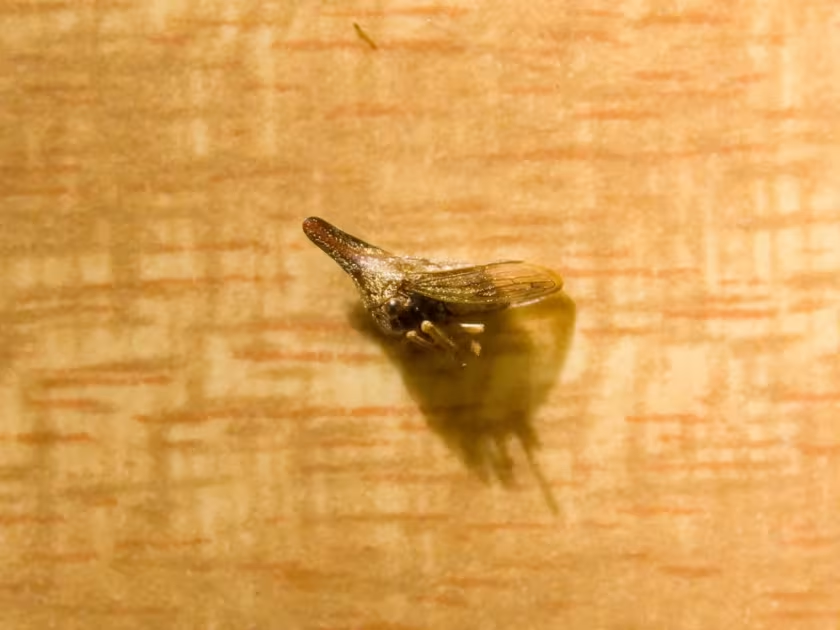
Aconophora projecta is an insect belonging to the order Hemiptera and the family Membracidae, commonly known as treehoppers. Adults are characterized by a prominent pronotal process that often mimics thorns or plant debris, providing effective camouflage.
The visual appearance of these insects is highly specialized to resemble dead bark or dried twigs, making them difficult to detect on branches. They typically measure between 8 and 12 mm in length with a brown or greyish coloration.
Nymphs differ significantly from adults; they are often covered in waxy secretions or have soft, fleshy appendages that help them blend into the stems of host plants. They undergo incomplete metamorphosis during their life cycle.
These treehoppers possess highly developed sensory organs. They are extremely sensitive to vibrations on the host plant, allowing them to perform quick jumps to escape potential predators or threats.
The species is primarily associated with specific woody plants in tropical and subtropical environments, where it can thrive on both native and ornamental vegetation.
What it damages
Aconophora projecta primarily targets plants in the Fabaceae family, such as species of Brugmansia. However, it can also infest other ornamental trees and shrubs depending on the geographic region and available hosts.
The primary damage is caused by both adults and nymphs feeding on the phloem sap of young shoots, petioles, and flower stalks. This feeding behavior severely depletes the host plant's energy resources.
Heavy infestations result in a loss of turgor, causing leaves to curl, yellow, and drop prematurely. This significantly impairs the plant's growth and diminishes its overall aesthetic and horticultural value.
The feeding punctures create entry points for secondary infections, including pathogenic fungi and bacteria. These infections can lead to the localized death of plant tissues and systemic weakness.
Furthermore, these insects can act as vectors for various plant pathogens, potentially spreading diseases that further compromise the health and longevity of the infested plants.
When it appears
The activity of Aconophora projecta is strongly correlated with temperature and humidity levels. Activity typically peaks during the warmer months when the host plants produce soft, succulent new growth.
Reproduction occurs in multiple generations during the growing season. Females lay their eggs directly into the tissues of stems or petioles, making small slits in the bark to protect the eggs from predators and environmental stress.
In temperate climates, the species may overwinter as nymphs or as eggs tucked into bark crevices. As spring temperatures rise, the nymphs emerge and begin feeding on the sap of the reviving host plants.
The peak population density usually occurs in mid-summer, providing ideal conditions for multiple generations to develop. This is when the most significant damage is observed in gardens and nurseries.
As autumn approaches, feeding intensity decreases, and adults seek sheltered areas under loose bark or within leaf litter to prepare for the dormant winter period.
Signs of infestation
One of the earliest signs of infestation is the presence of clusters of nymphs congregating on the tips of young shoots. They are often found feeding around the bases of stems or leaf petioles.
Damage can be identified by tiny necrotic spots on the bark and shoots, resulting from the insect's mouthparts. Over time, these punctures can cause swellings or longitudinal cracks in the stem.
The secretion of honeydew by the feeding nymphs promotes the growth of sooty mold. A black, crusty coating on the leaves and stems is a reliable indicator of a sap-sucking pest infestation.
Stunted growth, leaf curling, and premature wilting, despite adequate irrigation, are clear indicators that the plant is suffering from an Aconophora projecta attack.
Careful inspection of the bark in the fall can reveal oviposition sites, which appear as small, subtle ridges or scarring on the stems where the female has inserted her eggs.
Control measures
Management strategies should be integrated. Maintaining plant vigor through proper fertilization, watering, and pruning is the first line of defense, as healthy plants can better tolerate minor infestations.
Mechanical control involves the removal and destruction of infested branches containing egg clusters. This practice helps significantly reduce the population density for the following season.
Biological control relies on natural predators, such as lady beetles, lacewings, and various parasitoid wasps, which can help keep treehopper populations in check within diverse garden ecosystems.
- Regular monitoring of ornamental plantings for nymph clusters.
- Application of systemic insecticides during severe outbreaks, following label guidelines.
- Sanitary pruning of damaged plant parts to remove overwintering sites.
Chemical applications should be timed carefully to avoid harming beneficial pollinator insects, particularly during the flowering stage of host plants.
Taxonomy
- Latin name
- Aconophora projecta
- Order
- Hemiptera (bugs, aphids, leafhoppers)
- Family
- Membracidae
- EPPO code
- ACOOPR
Discussion
No discussions yet — be the first.