
Merdigera obscura
Merdigera obscura
Description
How to identify
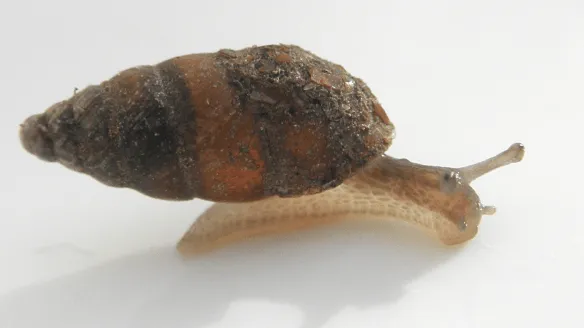
Merdigera obscura is a small land snail belonging to the Enidae family. The adult shell is elongated and conical, typically reaching 8–10 mm in length, with a brownish-horn coloration that provides excellent camouflage against tree bark.
This species leads a predominantly cryptic lifestyle, often inhabiting leaf litter, tree trunks, or rocky areas. A distinguishing feature is its relatively robust shell, which helps the organism retain moisture during periods of low humidity or drought.
Unlike larger slugs, these snails move slowly and often go unnoticed until their population density increases significantly. In agricultural environments, they prefer damp, shaded locations with abundant plant debris.
Taxonomically, the species belongs to the order Stylommatophora. In temperate climates, these snails can form localized clusters of high density, particularly in neglected gardens or tree nurseries where moisture is consistently available.
Reproduction occurs through egg-laying in soil or sheltered damp crevices. Effective pest management strategies rely on early detection of individuals and the identification of potential hiding spots within the cultivated area.
What it damages
This snail species damages a wide range of horticultural and ornamental plants by feeding on soft leaf tissues and the epidermis of young shoots. They pose a particular threat to seedlings and young plants in nurseries, where feeding may stunt growth.
In orchards, Merdigera obscura is often found on fruit trees, where it scrapes bark and young buds. Although rarely fatal to mature trees, persistent feeding on foliage can reduce photosynthetic capacity and overall plant vigor.
Damage is typically patchy. Leaves often exhibit ragged edges or irregular holes, accompanied by the characteristic silvery slime trails left behind as the snails move across the plant surface.
Beyond physical damage, the mucus secreted by the snails creates a moist microenvironment that encourages the growth of secondary fungal and bacterial pathogens. Consequently, the impact on plant health is often multifaceted.
Damage is most apparent after rainfall or during the early morning hours, as humidity levels facilitate mollusk activity. During dry spells, they retreat deep into the mulch or soil, making them difficult to spot and manage.
When it appears
The activity period of this pest is closely linked to temperature and moisture levels. Peak activity is typically observed in spring, once stable warm and moist conditions follow the winter thaw.
During the summer months, in the absence of rain, snail activity decreases significantly; they often enter a state of estivation, attaching themselves to trunks or hiding under stones, which makes visual monitoring more difficult.
In autumn, with the return of rainy periods and dropping temperatures, the activity of Merdigera obscura increases again, coinciding with the plants' preparation for dormancy.
The life cycle is prolonged, meaning generations may overlap. Young individuals are active throughout most of the growing season, necessitating consistent monitoring over several months.
Overwintering occurs as both adult snails and eggs in the soil or under leaf litter, ensuring high survival rates for the species even in harsh climatic conditions.
Control measures
Cultural control methods are highly effective against this pest. It is recommended to regularly clear the area of plant debris, fallen leaves, and unnecessary clutter, which serve as primary hiding spots for the snails.
Creating physical barriers using materials like wood ash, lime, or crushed gravel around garden beds can help limit snail access to vulnerable plants.
In cases of high infestation, chemical control using molluscicides based on metaldehyde may be employed. When using these chemicals, it is essential to follow safety guidelines to avoid harming beneficial wildlife like hedgehogs and birds.
Biological control involves attracting natural predators to the site, including birds, frogs, lizards, and ground beetles. Providing water sources or creating favorable habitats for these predators can significantly reduce local snail populations.
Regular inspection of plants and manual collection of snails during evening hours remain simple yet effective management techniques for low-level infestations. A comprehensive strategy combining sanitation and targeted intervention provides the best results.
Taxonomy
- Latin name
- Merdigera obscura
- Order
- Molluscs
- Family
- Enidae
- EPPO code
- MRDIOB
Discussion
No discussions yet — be the first.