
Merdigera tortoise beetle
Merdigera
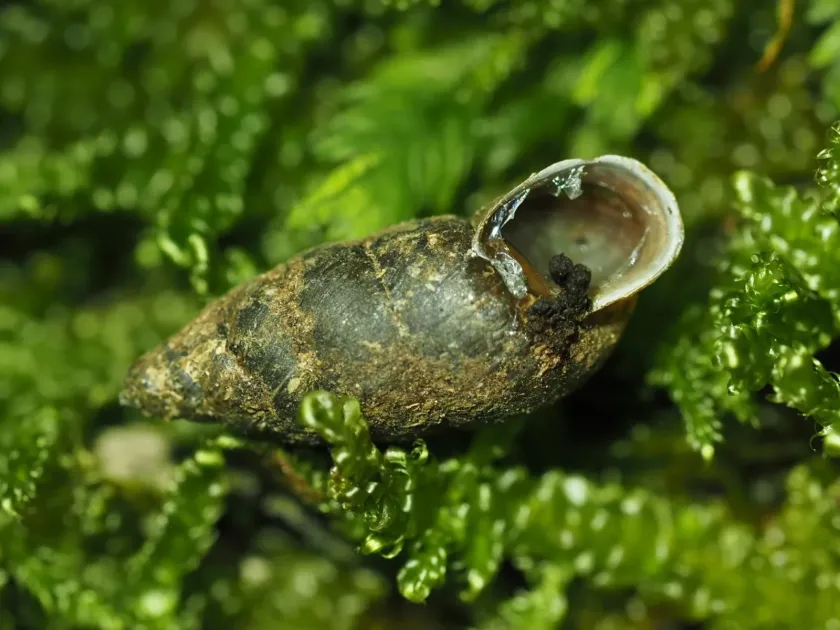
Description
How to identify
The Merdigera tortoise beetle belongs to the Chrysomelidae family, specifically the subfamily Cassidinae. These beetles are characterized by their flattened, shield-like appearance, where the margins of the pronotum and elytra extend significantly to conceal the head and legs.
Adult insects usually exhibit an oval or rounded shape, often with a metallic or cryptic coloration that provides effective camouflage against host foliage. Their size generally ranges from 5 to 9 mm, varying by species within the group.
A distinctive feature of the larvae is their self-constructed "shield." This defensive structure consists of their own excrement and cast-off exuviae, which they carry on a specialized caudal appendage to deter predators and avoid dehydration.
The life cycle involves complete metamorphosis, including egg, larva, pupa, and adult stages. Overwintering occurs in the adult stage within soil debris, leaf litter, or dense vegetation, with emergence triggered by spring temperatures.
Depending on the climatic zone, the beetle may undergo one or two generations per year. The presence of larvae is usually indicated by the unique fecal shields they carry, which is a key diagnostic feature for identification.
What it damages
Both adults and larvae are active herbivores. They feed on plant tissue by creating irregular holes or skeletonizing leaves, which drastically reduces the photosynthetic capacity of the host plant.
These pests primarily target a variety of ornamental plants, as well as specific weeds and herbaceous species. Heavy infestations can lead to significant defoliation, which hampers the growth and vigor of young seedlings.
Beyond physical damage, the presence of these beetles compromises the aesthetic quality of ornamental plants, rendering them unfit for retail or landscaping purposes. This is a primary concern in nurseries and flower farms.
Feeding activity is often accompanied by the accumulation of larval excrement on leaf surfaces. This accumulation can promote secondary issues, such as the growth of sooty mold on the contaminated leaf tissue.
The damage is most pronounced during the peak growing season. Sustained herbivory weakens the plant, making it more susceptible to environmental stress, drought, and secondary opportunistic pathogen infections.
Control measures
Integrated pest management starts with cultural practices, such as removing host weeds and maintaining clean garden beds. Deep autumn cultivation of soil is effective in destroying overwintering adults hidden in the ground.
For small-scale gardening, manual collection of beetles and larvae remains the most environmentally friendly and effective control measure. Regular scouting during early morning hours facilitates the quick removal of the pests.
Biological control agents, such as formulations containing entomopathogenic bacteria or fungi, can be used to suppress larval populations without leaving toxic residues in the garden ecosystem.
If chemical intervention is necessary, insecticides with contact and stomach action are recommended. Treatments should be timed during the mass emergence of young larvae to achieve the highest level of control.
To prevent the development of pesticide resistance, it is crucial to rotate chemical classes and strictly follow label instructions. Continuous monitoring is essential to ensure that treatment threshold levels are not exceeded.
Taxonomy
- Latin name
- Merdigera
- Order
- Molluscs
- Family
- Enidae
- EPPO code
- MRDISP
Discussion
No discussions yet — be the first.