
Chicken body louse
Menacanthus
Description
How to identify
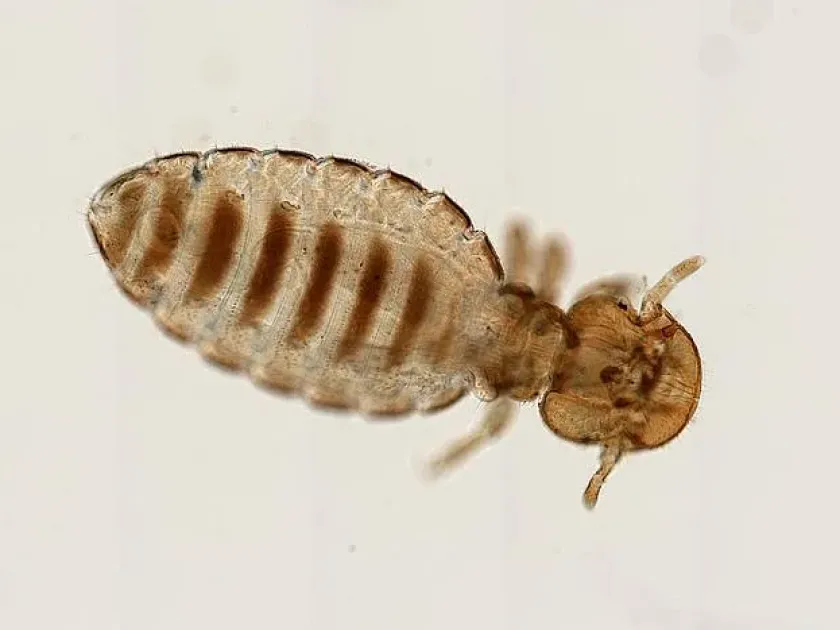
Menacanthus is a genus of chewing lice in the order Phthiraptera and the family Menoponidae. The most economically significant species is Menacanthus stramineus, commonly referred to as the chicken body louse.
These insects are pale yellow, flattened dorsally, and typically measure between 2 and 3 mm in length. They possess a robust, chewing mouthpart structure designed to feed on skin debris, feathers, and sometimes blood if the skin is damaged.
Unlike many other louse species, these insects are highly active and move rapidly across the host's body. Their entire life cycle, including egg-laying, takes place directly on the avian host.
The parasites prefer areas with high temperatures and stable humidity, particularly around the vent, breast, and thigh regions of the bird. These areas provide the necessary environment for their population to explode.
Females deposit eggs in clusters at the base of feathers near the skin. With a high reproductive rate, a small initial infestation can turn into a severe problem within a matter of weeks if left untreated.
What it damages
The primary hosts of this parasite are chickens, turkeys, and occasionally other domestic fowl. The damage is caused by the constant irritation and biting of the bird’s skin by the lice.
This persistent irritation causes severe itching, leading the birds to constantly preen, peck, and scratch themselves. Over time, this results in significant feather loss and damaged skin integrity.
Prolonged stress from the infestation impairs the bird's metabolism and immune system. This makes the flock more susceptible to secondary bacterial infections and other respiratory or viral diseases.
For egg-laying hens, an infestation causes a significant drop in production. The birds expend vital energy trying to soothe their irritated skin rather than converting feed into eggs or muscle mass.
In severe cases, especially among young chicks, a heavy louse load can lead to anemia, failure to thrive, and even death due to constant stress and metabolic exhaustion.
Signs of infestation
The most reliable sign of a Menacanthus infestation is spotting the lice when parting the feathers, particularly around the vent area where they cluster in large numbers.
Birds will display frantic, restless behavior. They spend excessive time preening, have disheveled plumage, and may develop raw, red patches of skin due to aggressive self-pecking or scratching.
Damaged feathers are another clear indicator. They often appear frayed, thin, or broken at the edges because the lice feed on the feather barbs and skin scales located at the base.
If the flock is heavily infested, one may find lice crawling on perches, nesting boxes, or within the litter, indicating that the population is overflowing from the bird's body.
General health decline is noticeable. The birds may look lethargic, lose weight, and their overall activity levels drop significantly compared to healthy, non-infested birds.
Control measures
Effective control requires the use of approved veterinary insecticides. Treatments typically involve spray or dust formulations applied directly to the birds, ensuring they reach the skin at the base of the feathers.
Sanitation of the poultry house is critical. All litter must be removed and replaced, and the facility should be thoroughly cleaned and treated to eliminate any lice or eggs that have dropped into the environment.
Providing dust baths containing a mixture of dry sand and wood ash is a highly effective, natural way to help birds groom themselves and mechanically remove lice from their plumage.
Quarantine new birds before introducing them to the main flock. A thorough physical exam and preventative treatment for ectoparasites will prevent the introduction of lice into a clean system.
Routine monitoring is essential. By regularly inspecting the vent and breast areas of the flock, producers can catch early infestations and apply control measures before the population reaches damaging levels.
Taxonomy
- Latin name
- Menacanthus
- Family
- Menoponidae
- EPPO code
- MENASP
Discussion
No discussions yet — be the first.