
Megalopyge lanata
Megalopyge lanata
Description
How to identify
Megalopyge lanata belongs to the Megalopygidae family within the Lepidoptera order. The adult is a moth with a body densely covered in long, hair-like scales, giving it a fluffy appearance.
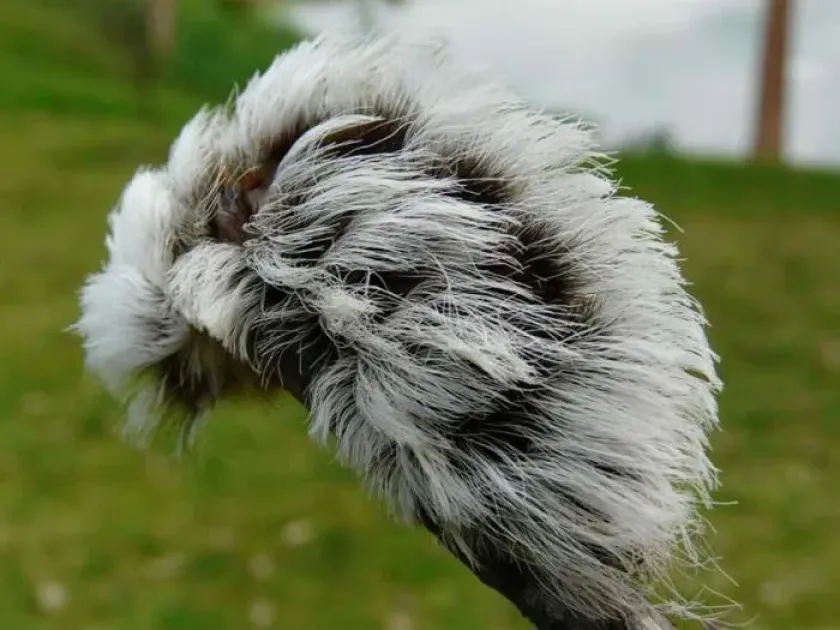
The caterpillars of this species are distinct due to their appearance; their bodies are covered in a dense layer of setae that conceal the larva's true form. These hairs have a protective function and are connected to venom glands.
The coloration of the larvae ranges from grey to brown, allowing them to camouflage effectively on tree bark and foliage. A mature caterpillar can reach several centimeters in length.
Contact with the caterpillar's hairs causes severe skin irritation, burning, and allergic reactions in humans due to the presence of toxins. Therefore, strict precautions must be taken when detecting this pest.
The life cycle consists of four stages: egg, larva (caterpillar), pupa, and adult. The larval stage poses the primary threat to agricultural crops due to their ravenous feeding habits.
What it damages
This pest is polyphagous, meaning it feeds on a wide range of plants. It poses a significant threat to forestry and fruit crops in the regions where it occurs.
Caterpillars consume leaf tissue, skeletonizing or completely destroying the leaves. During massive outbreaks, the pest can cause extensive defoliation of entire branches and trees.
Both young saplings and mature fruit trees are susceptible to damage. The reduction in photosynthetic surface area weakens the plant and leads to a decrease in overall yield.
The pest is particularly dangerous in nurseries, where foliage damage by young caterpillars can lead to the death of vulnerable plants during their intensive growth phase.
In addition to direct feeding damage, weakened trees become more susceptible to secondary infections, fungal diseases, and other pests, worsening the phytosanitary condition.
When it appears
The activity of the pest is directly linked to the climatic conditions of its habitat. Typically, mass emergence of caterpillars coincides with the plant vegetation period when leaf growth is active.
The first larvae appear in the spring following hibernation, often in the pupa or egg stage, once specific ambient temperature thresholds are reached.
In warmer regions, multiple generations can develop within a single growing season. The second generation often causes the most significant damage in mid-summer.
In the autumn, the caterpillars finish feeding and pupate, often selecting protected areas in tree bark crevices or leaf litter to overwinter.
Monitoring adult populations using light traps allows for the forecasting of subsequent caterpillar generations and helps in scheduling timely protective measures.
Signs of infestation
The primary visual sign of the pest's presence is the appearance of damaged leaves with signs of edge feeding or completely consumed sections of the leaf blade.
Cocoons or discarded skins from larval molting may be found on branches and trunks. Additionally, inspecting the canopy reveals colonies of caterpillars, which often gather on the undersides of leaves.
The presence of caterpillar frass under the tree canopy serves as a reliable indicator of active infestation by Megalopyge larvae.
In dry weather, damaged leaf sections wilt and dry out faster, creating a mottled appearance in the canopy that is visible from a distance.
The presence of large numbers of predatory insects or birds in the canopy can indirectly indicate an active food source, such as a large population of caterpillars.
Control measures
Control strategies involve both agrotechnical and chemical measures, which are most effective against young larvae during the early stages of their development.
Mechanical removal and destruction of caterpillar nests in private gardens is an effective method for limiting the population, but it requires the use of heavy-duty gloves.
Biological products based on Bacillus thuringiensis are highly effective against Lepidoptera and are preferred within integrated pest management programs.
When the economic injury level is exceeded, systemic or contact insecticides registered for use in the agricultural sector may be applied.
- Regular monitoring of plant health.
- Encouraging natural entomophages and insectivorous birds.
- Strict adherence to quarantine regulations when transporting plant material.
Taxonomy
- Latin name
- Megalopyge lanata
- Order
- Lepidoptera (butterflies)
- Family
- Megalopygidae
- EPPO code
- MEGALA
Discussion
No discussions yet — be the first.