
Megalopyge
Megalopyge
Description
How to identify
Megalopyge is a genus of moths belonging to the family Megalopygidae, often referred to as flannel moths due to the appearance of their adult stage.
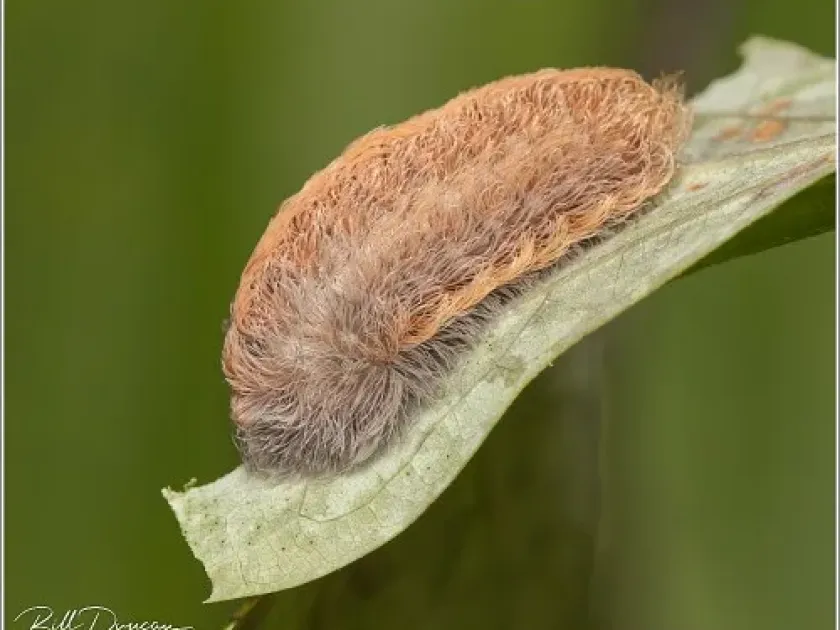
The larvae, commonly known as puss caterpillars, are distinctively covered in long, dense, hair-like bristles that resemble fur and can be various shades of tan or brown.
It is crucial for gardeners and workers to avoid direct contact with these caterpillars, as their spines are connected to venom glands that cause intense burning and pain.
These insects belong to the order Lepidoptera, characterized by complete metamorphosis. The larvae possess a unique defense mechanism, using their sting to deter potential predators.
Identifying the specific instar is important, as the severity of the sting and the amount of damage they cause to plants change as the caterpillar matures.
##damage##Megalopyge larvae are generalist feeders and are known to damage a variety of deciduous trees, shrubs, and ornamental plants within a garden or orchard setting.
Primary hosts include apple, pear, citrus trees, as well as oaks and elms, where the larvae feed greedily on the foliage throughout their growth stages.
Feeding damage typically manifests as skeletonized leaves, which hinders the plant's ability to photosynthesize and ultimately reduces the tree's overall vigor.
Significant infestations can lead to heavy defoliation, which causes stress to the plant and makes it more susceptible to secondary environmental issues.
In commercial orchards, this damage can lead to reduced fruit yield and long-term harm to the health and structural integrity of the trees.
When it appears
The life cycle of Megalopyge moths is closely synchronized with the growing season, typically appearing in late spring and remaining active throughout the summer.
Larval activity reaches its peak during the warmer months, as this period provides the necessary conditions for the rapid development of the insects.
They overwinter in the pupal stage, encased in tough, silk-lined cocoons that are often cleverly camouflaged against the bark of host trees.
Monitoring for adults and early-instar larvae is critical in the spring to prevent a population explosion during the peak vegetative months.
By understanding their phenology, growers can schedule inspections and treatments to coincide with the most vulnerable phases of the pest's life cycle.
Signs of infestation
The most reliable sign of an infestation is the presence of chewed leaf edges or entirely skeletonized leaves within the canopy of the host plant.
Searching for the caterpillars is best done by carefully inspecting the undersides of leaves and along the smaller branches where they reside.
Hard, teardrop-shaped cocoons attached to twigs or bark surfaces are definitive evidence that the pest has successfully completed its larval development.
Frass (larval droppings) accumulating on leaves beneath the tree is another common indicator that a colony is present above.
- Visible patches of damaged, skeletonized foliage.
- Presence of hairy caterpillars on branches.
- Hard, silk cocoons found on tree trunks.
- Droppings found on lower leaves or the ground.
Control measures
Manual removal of caterpillars is possible but must be performed using heavy-duty gloves and long tools to avoid painful contact with the stinging hairs.
Biological control using Bacillus thuringiensis (Bt) is highly effective against young larvae and minimizes the impact on beneficial insects in the garden.
Chemical control involving systemic or contact insecticides can be employed if populations exceed the economic threshold, following local safety regulations.
Regular maintenance, such as bark inspection and the removal of pupal cocoons during the dormant season, is a proactive way to lower future populations.
Promoting a healthy ecosystem by encouraging native birds and parasitic wasps helps to maintain a natural balance and suppress pest numbers over time.
Taxonomy
- Latin name
- Megalopyge
- Order
- Lepidoptera (butterflies)
- Family
- Megalopygidae
- EPPO code
- MEGASP
Discussion
No discussions yet — be the first.