
Pest · Lepidoptera (butterflies) · affects Horse chestnut, Horse chestnut
Horse-chestnut leaf miner
Marmara
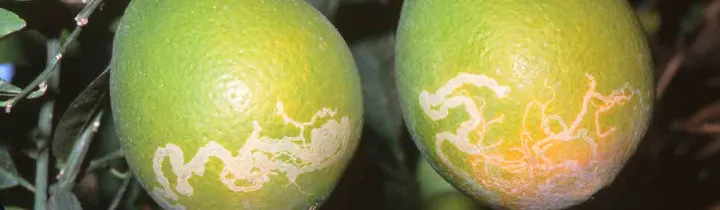
Description
How to identify
The horse-chestnut leaf miner (Cameraria ohridella) is a moth of the Gracillariidae family. The adult moth is a tiny insect, measuring about 4 mm in length, featuring golden-brown wings with distinctive white streaks.
The larvae are specifically adapted to feed within the leaf tissue. They go through several developmental stages, growing in size and appearing as small, translucent caterpillars that are difficult to detect without close inspection.
The life cycle of this pest is closely correlated with local climate conditions. In warmer regions, the moth can complete three to four generations within a single growing season, leading to rapid population explosions.
The pest overwinters in the pupal stage. These pupae are found inside the fallen leaves of the horse chestnut tree, providing them with protection against cold temperatures and adverse environmental conditions during winter.
Adult emergence typically occurs in early spring, once temperatures remain consistently above 10-12 degrees Celsius, which aligns with the leaf-bud break of the host trees.
What it damages
The primary host for this pest is the common horse chestnut (Aesculus hippocastanum). The moth shows high host specificity, limiting its damage to this particular species in the wild.
The larvae feed by creating galleries within the leaf parenchyma, which eventually expand into noticeable mines. This feeding behavior severely disrupts the photosynthetic capacity of the leaf.
Severe infestations cover the entire leaf surface with brown spots, causing the foliage to wither and drop prematurely by mid-summer, significantly affecting the tree's health.
Affected trees lose their ornamental value and overall vigor, making them more susceptible to secondary infections, fungal pathogens, and environmental stressors.
In peak years, the infestation can result in total premature defoliation by August, which often triggers an abnormal second flowering in autumn, weakening the tree before the winter onset.
Signs of infestation
The first signs of infestation are light or brown patches, known as mines, appearing on the leaves shortly after the flight of the adult moths begins in spring.
When held against the light, the larvae or their dark-colored frass (droppings) can be clearly seen inside these translucent leaf mines, confirming the presence of the pest.
As the larvae continue to feed, the mines expand and merge, often causing the leaf margins to curl or become scorched, giving the tree a sickly, burnt appearance.
A heavy carpet of spotted, dead leaves underneath the trees during the summer months is a strong indicator that the moth population has completed its life cycle in the area.
Spotting tiny moths resting on the bark of tree trunks during the early morning hours is a reliable indicator of active egg-laying behavior.
Control measures
A critical management practice is the thorough collection and disposal of leaf litter in autumn, as removing the pupae significantly reduces the population for the following year.
Pheromone traps are highly effective for monitoring the density of adult moths, allowing for precise timing of chemical or biological treatment applications during the season.
Stem injections with systemic insecticides are frequently used in urban arboriculture, providing targeted protection for trees without the need for broad-spectrum spraying.
Biological control involves promoting the presence of natural enemies, such as parasitic wasps, which can help keep the leaf miner populations in check within natural ecosystems.
Preventative applications of biological insecticides based on entomopathogenic bacteria during the egg-laying phase can effectively minimize damage while being environmentally friendly.
Content graph
Connections · Horse-chestnut leaf miner
Most often together:
Marketplace
Products · 2
Biology
Taxonomy
- Latin name
- Marmara
- Order
- Lepidoptera (butterflies)
- Family
- Gracillariidae
- EPPO code
- MARMSP
Community
Discussion
No discussions yet — be the first.