
Acrocercops dissotoma
Acrocercops dissotoma
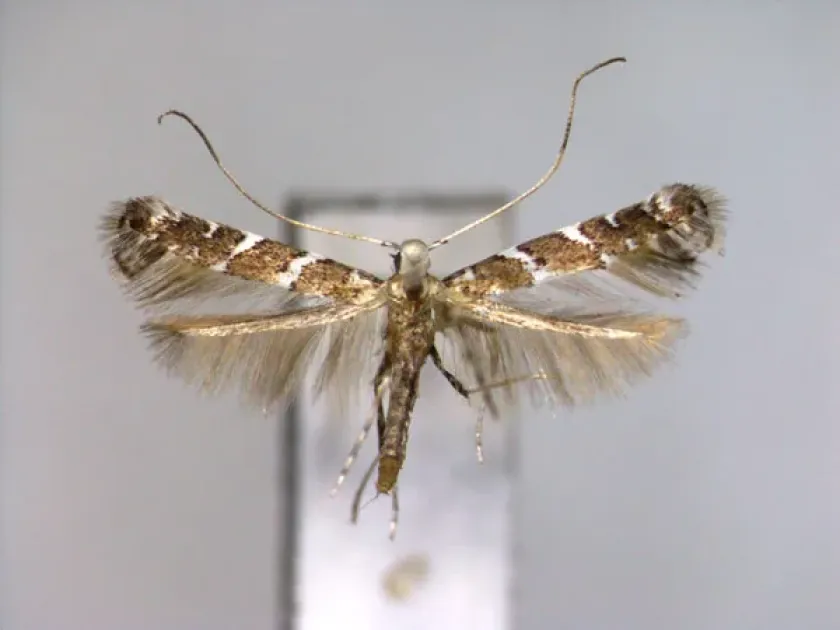
Description
How to identify
Acrocercops dissotoma is a species of moth belonging to the family Gracillariidae. These moths are characterized by their small size and narrow wings, which allow them to maneuver effectively in dense vegetation.
The larvae are leaf miners, meaning they live and feed within the tissues of the host plant leaves. Their bodies are morphologically adapted for this specialized, concealed habitat.
The life cycle involves complete metamorphosis, including egg, larva, pupa, and adult stages. Depending on the environmental temperature, the duration of each stage can vary significantly throughout the growing season.
This species often produces multiple generations per year, which makes the management of their population complex and requires sustained monitoring efforts.
The insects tend to be most active during the warmer months, with peak emergence often coinciding with the flush of new growth on host plants.
What it damages
The primary damage is caused by the larval stage feeding within the leaf parenchyma. This activity disrupts the plant's photosynthetic capacity by destroying chlorophyll-containing tissues.
Affected plants often display signs of reduced vigor and stunted growth. The loss of foliage area reduces the plant's ability to produce necessary nutrients for development.
Severe infestations can lead to premature leaf drop, which stresses the plant and negatively impacts its yield potential or aesthetic value in ornamental settings.
The damage is particularly critical for young saplings, as it hinders their ability to establish a healthy canopy and compete with other vegetation.
Secondary infections by pathogens can occur in the damaged tissue, as the broken epidermis provides an easy entry point for fungi and bacteria.
Signs of infestation
The most distinctive signs of infestation are the mines created by the larvae. These mines appear as winding, silvery or brown tracks on the leaf surface.
As the larva grows, the mine increases in size, often resulting in discoloration or necrosis of the leaf tissues surrounding the larval tunnel.
Leaf curling or distortion is frequently observed, as the consumption of internal tissue compromises the structural integrity of the leaf.
Frass (larval excrement) can often be seen inside the mines as small, dark deposits, confirming that the damage is indeed caused by mining insects.
In advanced cases, the affected leaves appear yellowed or prematurely withered, and the canopy may look patchy due to the extensive damage caused by multiple larvae.
Control measures
Sanitation is a vital control measure. Collecting and destroying fallen leaves during the dormant season helps to eliminate the overwintering pupae and larvae.
Biological control agents, including various species of parasitic wasps, play a significant role in naturally suppressing the population of this leaf miner.
Systemic insecticides are generally the most effective chemical approach, as they are absorbed by the plant and target the larvae feeding within the leaf.
Monitoring the flight of adult moths using pheromone traps is essential for timing insecticide applications to ensure maximum impact during the vulnerable early larval stages.
Promoting overall plant vigor through proper fertilization and irrigation helps plants tolerate and recover from damage, minimizing the economic impact of the pest.
Taxonomy
- Latin name
- Acrocercops dissotoma
- Order
- Lepidoptera (butterflies)
- Family
- Gracillariidae
- EPPO code
- AROCDI
Discussion
No discussions yet — be the first.