
Lophocampa ingens
Lophocampa ingens
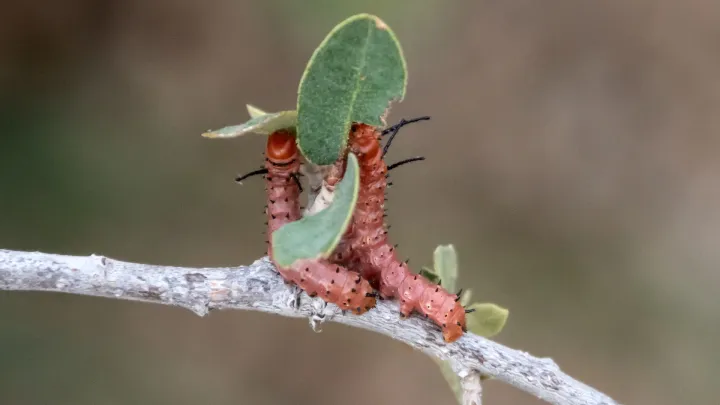
Description
How to identify
Lophocampa ingens belongs to the order Lepidoptera, family Erebidae, and subfamily Arctiinae. The adult stage is a moth adapted to living in mountain forest ecosystems.
The larvae, or caterpillars, are characterized by dense hair tufts, which act as a defensive mechanism against predators. Their coloration often includes warning patterns to signal toxicity to birds.
The biology of this species is tightly linked to coniferous tree species. The life cycle undergoes complete metamorphosis, including egg, larval stages, pupa, and adult moth stages.
In natural habitats, population densities fluctuate based on climatic factors, particularly winter temperatures and spring humidity levels.
Identifying adults is possible through wing pattern analysis, but in field conditions, the presence of gregarious caterpillar colonies is the most common sign of infestation.
What it damages
This pest specializes in attacking conifer trees, primarily species within the Pinus genus. Larvae feed on needles, causing significant stress to the host tree.
During outbreak periods, this pest causes severe defoliation, which stunts annual growth and weakens the overall structure of the needles and shoots.
Infested trees often become susceptible to secondary infestations, including wood-boring insects, which can lead to tree mortality if the host is sufficiently weakened.
The severity of the damage depends directly on the larval population density on a specific tree or within a forest stand.
In ornamental and park settings, the presence of these caterpillar colonies degrades the aesthetic value of the trees due to crown thinning.
When it appears
Larval activity begins in spring as temperatures rise and the coniferous trees enter their vegetative growth phase.
Adult moth flights usually occur during the summer months, facilitating mating and oviposition on suitable host trees for the next generation.
Pupation typically takes place within silken cocoons, which the larvae construct in protected areas on the bark or within the forest floor litter.
Peak damage occurs during the period of intensive feeding, which often coincides with the onset of active sap flow and shoot development.
Seasonal cycles can vary slightly depending on altitude and long-term weather patterns within the specific geographical region.
Signs of infestation
A primary indicator of this pest's presence is the skeletal remains of needles or total defoliation on individual branches.
The presence of silken web nests, which larvae construct for protection and communal living, is a definitive sign of an infestation.
Inspecting the area underneath the tree canopy may reveal caterpillar frass, indicating active feeding occurring in the upper canopy layers.
Gradual yellowing and shedding of needles, occurring in the absence of fungal pathogens, often point to pest damage in the crown.
Clusters of hairy caterpillars, particularly visible on young shoots, provide final confirmation of the pest species identity.
Control measures
For localized infestations, mechanical removal of caterpillars or pruning branches containing colonies is recommended for small-scale operations.
On a larger scale, biological insecticides based on bacteria are used to effectively target and eliminate early-instar larvae.
Chemical control methods involve the application of systemic or contact insecticides approved for use on ornamental and forest conifers.
It is critical to perform applications during morning or evening hours to ensure thorough coverage of the foliage with the working solution.
- Monitor moth population density using light traps.
- Encourage natural entomophagous predators in forest areas.
- Implement strict quarantine measures when transporting coniferous planting stock.
Taxonomy
- Latin name
- Lophocampa ingens
- Order
- Lepidoptera (butterflies)
- Family
- Erebidae
- EPPO code
- HALSIN
Discussion
No discussions yet — be the first.