
Leucophytia bidentata
Leucophytia bidentata
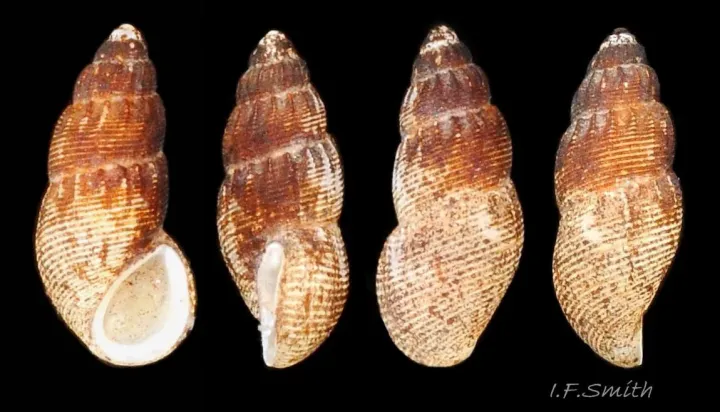
Description
How to identify
Leucophytia bidentata is a small land snail species within the family Ellobiidae. This mollusk is characterized by its specific shell morphology, which includes distinctive "teeth" or folds at the aperture, hence the name.
The shells are generally light-colored, ranging from beige to gray, providing camouflage against soil and organic matter. Their physical size is relatively small, making them easily overlooked in dense vegetation.
Biologically, these snails are hygrophilous, meaning they require a high-humidity environment to thrive. They are most commonly found in wetlands, marshy areas, or agricultural plots with poor drainage.
For accurate identification, professional agronomists examine the specific tooth configuration in the shell opening. Distinguishing this species from others is vital for implementing targeted control tactics.
These mollusks are primarily nocturnal or crepuscular, hiding during the heat of the day and emerging to forage under conditions of high moisture or cloud cover.
What it damages
This pest is known to affect various vegetable crops, particularly seedlings and young plants, as they possess tender tissues that are easier for the mollusk to consume.
Damage involves the scraping of leaf surfaces and consumption of stems, leading to stunted growth, reduced photosynthetic capacity, and susceptibility to secondary diseases.
In intensive greenhouse environments, these pests can cause severe damage in a short period, potentially destroying entire sections of young seedlings if left unmanaged.
Beyond direct feeding, the presence of their mucous trails can decrease the marketability of leafy vegetables and introduce pathogens through leaf wounds.
- Scraping damage on tender leaf surfaces.
- Consumption of seedling stems leading to collapse.
- Increased risk of bacterial and fungal infections.
When it appears
The activity of Leucophytia bidentata is strongly linked to moisture availability. They remain active throughout the growing season provided environmental moisture stays high.
Spring serves as the primary period for emergence from dormancy, where adults begin feeding on early sprouts. This makes spring the most critical time for preventative scouting.
Summer activity depends on the frequency of rainfall or irrigation. In well-irrigated agricultural systems, these pests can maintain consistent feeding pressure throughout the heat of summer.
Autumn marks a period of intensive feeding before winter dormancy. Clearing crop debris during this stage is highly effective at reducing the population density for the next year.
Annual population fluctuations are heavily dependent on climatic variables, making historical weather data a useful tool for predicting annual pest pressure.
Signs of infestation
The most visible sign of infestation is irregular holes or "windowpane" damage on leaves, where the epidermis remains while the underlying tissue is consumed.
Shiny, translucent mucous trails on the soil or lower stems are clear indicators that snails are active in the area. These are most visible in the early morning after a dew-filled night.
Small, dark, granular feces found near the base of plants or on leaf surfaces provide further confirmation of the pest's recent feeding activity.
Sudden wilting of seedlings without obvious root damage suggests that the snail may be feeding on the stem at the soil line, which often goes unnoticed during daylight inspections.
Finding individuals huddled under moist clods of soil, wooden boards, or crop residue during the morning is a definitive sign of an active infestation.
Control measures
Cultural control is the most effective approach, focusing on improving soil drainage, regular hoeing to destroy eggs, and meticulous removal of crop debris and weeds.
Physical barriers such as wood ash, crushed lime, or copper-based tapes around the perimeter of garden beds can effectively discourage snail movement into the crop area.
Biological control methods involve encouraging natural predators like ground beetles, hedgehogs, and certain species of birds that consume these mollusks.
Chemical control using bait-based molluscicides (e.g., metaldehyde-based pellets) may be necessary in extreme cases, provided they are applied according to label instructions to protect the environment.
An integrated pest management (IPM) plan, focusing on continuous monitoring and habitat modification, remains the gold standard for long-term control of this pest.
Taxonomy
- Latin name
- Leucophytia bidentata
- Order
- Molluscs
- Family
- Ellobiidae
- EPPO code
- LPHYBI
Discussion
No discussions yet — be the first.