
Carychium tridentatum
Carychium tridentatum
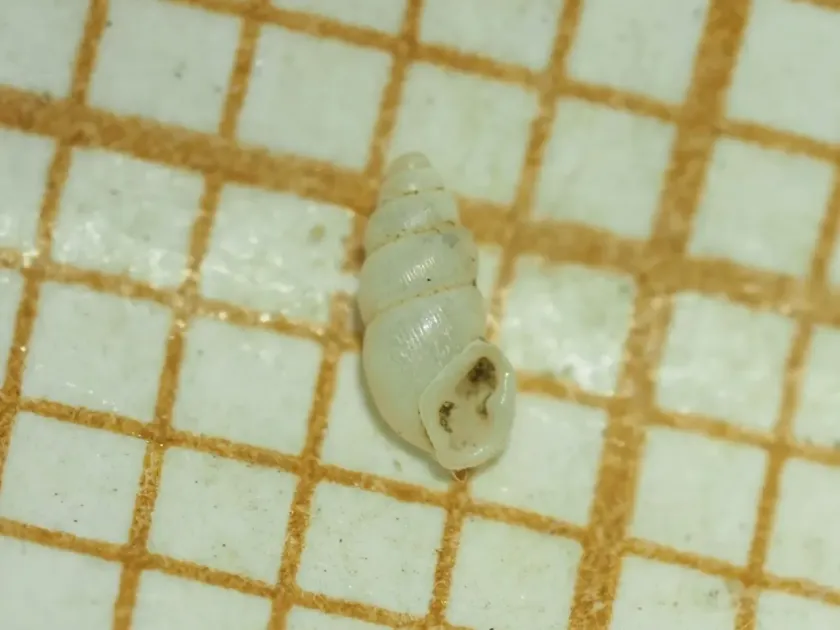
Description
How to identify
Carychium tridentatum belongs to the family Carychiidae within the order Stylommatophora. It is an extremely small land snail, with a shell rarely exceeding 2 mm in height.
The shell possesses a distinct elongated conical shape, characterized by closely spaced whorls that expand gradually towards the base.
The species is identified by the presence of three tooth-like lamellae in the aperture of the shell, which are visible under magnification.
The soft body of the snail is generally pale, translucent, or whitish, making it difficult to detect within the soil substrate.
This species is highly elusive, preferring environments with high humidity and shielding itself from direct light beneath leaf litter or loose soil.
What it damages
Adult snails cause damage by feeding on the delicate tissues of young plants, with a strong preference for seedlings and developing shoots.
In greenhouse settings, these pests pose a significant threat due to the year-round availability of moisture and food resources.
They rasp the plant epidermis, which causes distortion, wilting, and potential death of young sprouts during the early growth stages.
Furthermore, they act as potential vectors for various plant pathogens that lead to root rot and other systemic plant infections.
High infestation rates can lead to stunted plant growth, significant loss of stand density, and reduced quality of agricultural output.
When it appears
Seasonal activity is heavily dependent on moisture availability, with peak population levels occurring during wet spring and autumn seasons.
During dry summer periods, these snails retreat deep into the soil or under dense plant debris to survive through dormancy until conditions improve.
They are primarily nocturnal or active during overcast, humid days when the risk of dehydration for their soft bodies is significantly reduced.
The life cycle involves oviposition in moist soil, followed by the emergence of juveniles that begin feeding almost immediately upon hatching.
In controlled environments such as greenhouses, reproduction can occur throughout the year if the soil remains sufficiently moist.
Signs of infestation
The most common indicator of presence is the appearance of irregular, small holes on the edges of leaves and young plant tissues.
Thin, shimmering trails of dried mucus on the surface of the soil or stems are clear signs of mollusc activity in the area.
The sudden wilting or yellowing of seedlings often indicates tissue damage caused by the snail's feeding behavior at the root collar.
Close inspection of the underside of leaves near the soil line may reveal the snails themselves or their characteristic small egg clusters.
Overall plant weakness and uneven germination rates are often associated with high population densities of these ground-dwelling pests.
Control measures
The primary control measure involves optimizing irrigation practices to prevent the constant saturation of the soil surface.
Regular cultivation and hoeing of the soil disrupt the habitat of the snails and expose them to drying conditions, reducing their survival rate.
Thorough removal of weeds and plant debris is essential to eliminate the shelter and food sources that these snails rely upon.
In cases of severe infestation, specialized molluscicides containing metaldehyde can be used as baits in affected areas.
Physical barriers such as coarse sand or gravel placed around garden beds can effectively discourage the movement of snails towards plants.
Taxonomy
- Latin name
- Carychium tridentatum
- Order
- Molluscs
- Family
- Ellobiidae
- EPPO code
- KARYTR
Discussion
No discussions yet — be the first.