
Leucophytia
Leucophytia
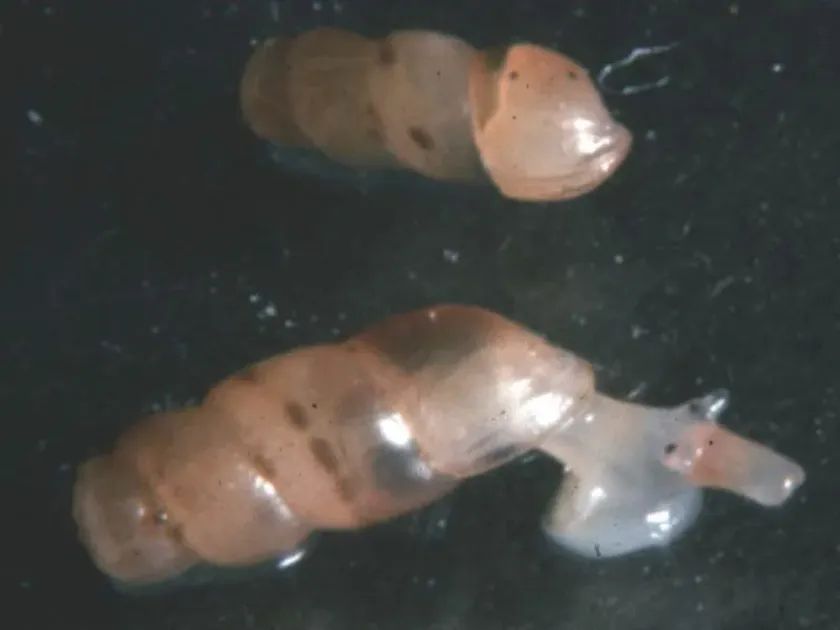
Description
How to identify
Leucophytia is a genus of insects belonging to the order Lepidoptera, family Erebidae, and subfamily Arctiinae (tiger moths). These moths are typically nocturnal and possess specific wing patterns that serve as effective camouflage against predators.
Adult specimens have well-developed proboscises, allowing them to feed efficiently on nectar. The larvae, or caterpillars, are characterized by dense hair covering, which provides both physical protection and thermal regulation during their growth stages.
Identification often requires careful inspection of morphological features or genitalia, as adult forms can sometimes be visually similar to related species. Observing the insects' activity patterns is crucial for precise field identification.
The life cycle of Leucophytia is closely linked to regional climate conditions, with temperature and humidity playing major roles in development rates. Adults are most active during dusk, making them difficult to spot during daytime field surveys.
The caterpillars undergo several instars during their development. Their growth rate is highly sensitive to the availability of food resources and the accumulation of active temperatures throughout the growing season.
What it damages
The primary damage occurs during the larval stage as caterpillars feed voraciously on plant tissues. They typically target the foliage, consuming leaf blades and significantly reducing the plant's photosynthetic surface area.
Extensive feeding can lead to severe stress for the host plants, hindering their growth and overall productivity. In cases of high population density, defoliation can cause significant yield losses in susceptible crops.
Damaged plant tissues are more susceptible to opportunistic secondary infections by fungi and bacteria. These infections can complicate plant health issues, necessitating integrated management approaches to mitigate secondary damage.
Injury to apical buds or growing points is particularly harmful, leading to stunted or deformed development. Younger plants are generally more vulnerable to such feeding behavior, which can cause long-term physiological damage.
Economic damage depends on the density of the pest population within the field. While individual damage might be minor, cumulative losses during peak infestation years can be substantial if left unmanaged.
Control measures
Monitoring programs using light traps are essential for early detection of adult moths. By determining the timing of flight activity, agronomists can predict when caterpillar populations are likely to emerge and schedule interventions.
A proactive approach includes rigorous weed management, as many host species thrive on weeds surrounding agricultural areas. Proper crop rotation is another vital strategy to break the life cycle of the pest.
Biological control involves using agents such as Bacillus thuringiensis, which target the caterpillars without significantly harming beneficial insects. Encouraging natural predators, such as parasitic wasps, is also an effective management practice.
Chemical control is applied when population thresholds are exceeded, utilizing selective insecticides. It is critical to apply these treatments at the most vulnerable larval stage to ensure maximum efficacy while preserving the surrounding ecosystem.
Post-harvest soil cultivation, such as deep plowing, is recommended to disrupt the pupation sites in the soil. This mechanical destruction of overwintering pupae is highly effective in reducing the pest population for the upcoming season.
Taxonomy
- Latin name
- Leucophytia
- Order
- Molluscs
- Family
- Ellobiidae
- EPPO code
- LPHYSP
Discussion
No discussions yet — be the first.