
Lemyra flammeola
Lemyra flammeola
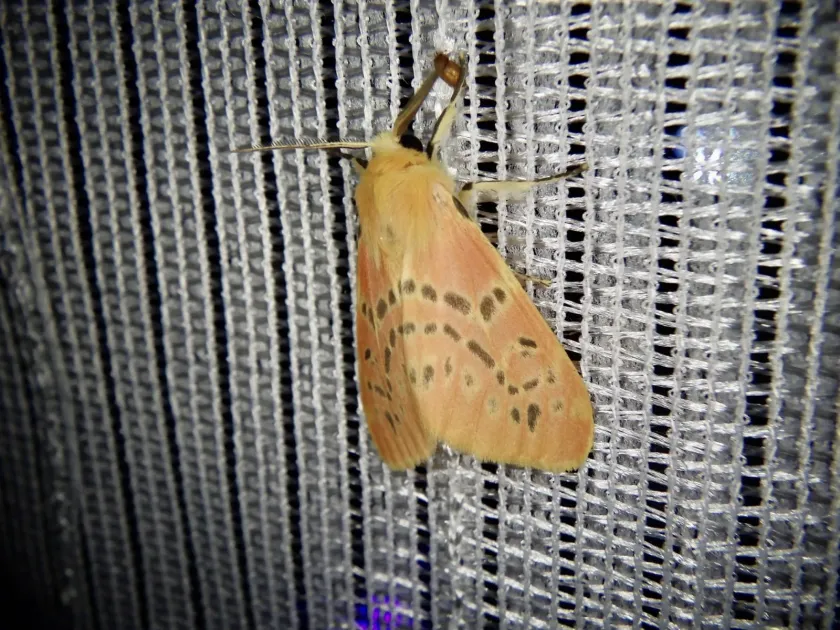
Description
How to identify
Lemyra flammeola is a species of moth belonging to the Erebidae family, specifically the Arctiinae subfamily. It is recognized for its vibrant coloration and unique morphological features typical of tiger moths.
The adult moth has a wingspan ranging between 35 and 45 mm. Its forewings exhibit a distinct orange to creamy-yellow hue, often decorated with dark spots or bands, providing camouflage against bark or dry foliage.
The larval stage, or caterpillar, is the primary destructive phase. These larvae are covered in dense hair, a defense mechanism against avian and insect predators, and progress through several instars before pupation.
The biological cycle consists of a complete metamorphosis. Depending on the geographical region and climatic factors, this pest typically completes one to two generations annually, adapting to the length of the growing season.
Overwintering occurs primarily in the pupal stage. The pupae are protected within cocoons hidden in plant debris, bark crevices, or shallow soil, allowing the species to survive colder temperatures effectively.
What it damages
Lemyra flammeola is characterized as a polyphagous pest, capable of feeding on a wide range of host plants, including fruit trees, berry bushes, and various ornamental species.
The larvae primarily damage the plant by consuming foliage. By feeding on the leaves, they significantly reduce the leaf surface area, which is vital for the plant's photosynthetic processes and overall vigor.
Heavy infestations can lead to total defoliation of plants. This severe stress weakens the plant, reducing its ability to form fruits or flowers and leaving it susceptible to abiotic stress and disease.
Open wounds left by the caterpillars on leaves and stems can facilitate the entry of secondary pathogens, including fungi and bacteria, which may cause necrotic lesions or branch dieback.
In nurseries and young orchards, the impact is particularly severe, as the aesthetic and commercial quality of the plants is compromised, leading to economic losses for growers.
Signs of infestation
The initial signs of an infestation include the appearance of irregular holes in the leaves, starting from the leaf edges or between the veins, creating a skeletonized appearance over time.
Clusters of eggs on the undersides of leaves are a critical early warning sign. These egg masses are usually yellowish and compactly arranged, often easily identifiable during routine scouting.
The presence of caterpillar droppings (frass) under the canopy is a clear indicator of active feeding colonies within the upper branches of the host plant.
Webbing and rolled leaves are common signs that larvae are using the plant not just as a food source, but also as a shelter for protection during their development and molting phases.
Visual confirmation of hairy caterpillars on leaves or stems, especially during dawn or dusk, provides definitive proof of the pest's presence and the need for control measures.
Control measures
Effective monitoring is the first step in control. Using pheromone or light traps allows growers to detect the initial flight of adults, providing a window to apply preventative treatments.
Sanitation practices are essential. Removing and destroying infested plant material, along with clearing debris from the ground, significantly reduces the number of pupae that successfully overwinter.
Biological control methods, such as utilizing Bacillus thuringiensis, are highly effective against young larvae while maintaining an eco-friendly approach that preserves beneficial pollinator populations.
Chemical intervention should be reserved for scenarios where population density exceeds economic thresholds. It is essential to use registered insecticides and strictly follow label directions for application timing.
- Regular inspections of leaf undersides during the early growing season.
- Promoting the presence of natural predators, such as insectivorous birds and parasitic wasps.
- Applying physical barriers or sticky bands on tree trunks to intercept migrating larvae.
Taxonomy
- Latin name
- Lemyra flammeola
- Order
- Lepidoptera (butterflies)
- Family
- Erebidae
- EPPO code
- SPIAFL
Discussion
No discussions yet — be the first.