
Lasiocephala
Lasiocephala basalis
Description
How to identify
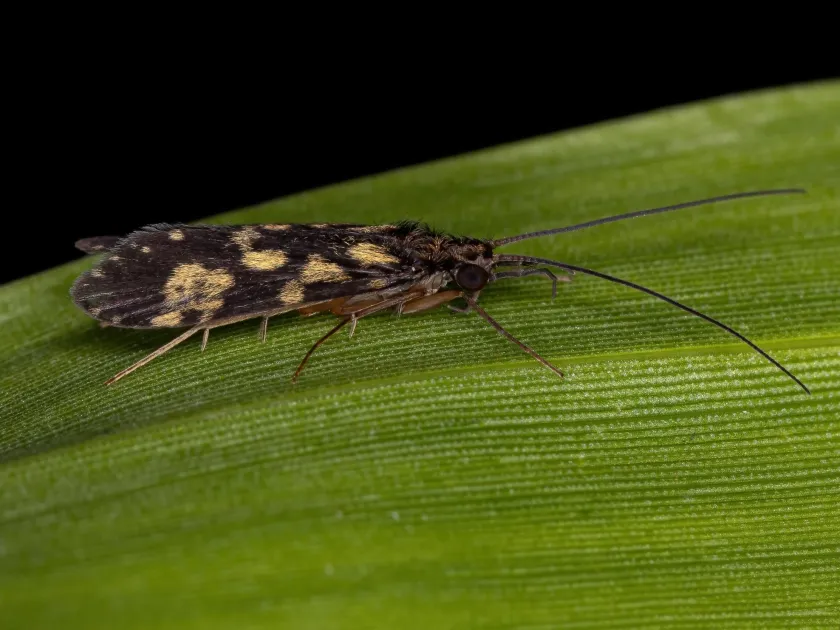
Lasiocephala basalis is a species of insect belonging to the order Trichoptera (caddisflies), family Lepidostomatidae. The adults are moth-like in appearance but are distinguished by their hairy wings and specialized mouthparts.
The larval stage is aquatic, typically inhabiting clean, flowing freshwater streams. The larvae are famous for constructing portable cases, which are made of sand grains or plant materials, protecting their soft bodies throughout their development.
Morphological identification of the adults requires careful examination of wing venation and genitalia, as the family is diverse and contains several species with similar physical traits.
The life cycle follows complete metamorphosis (egg, larva, pupa, adult), with the larval stage being the most ecologically significant for agricultural impacts near water bodies.
Understanding their preference for specific water quality and flow is crucial for agricultural professionals when assessing the risk level of nearby fields during the growing season.
What it damages
Damage to crops occurs primarily when larvae migrate from their aquatic habitats to the surrounding damp soil or when water levels fluctuate, forcing larvae to seek new food sources.
The larvae possess chewing mouthparts that can damage the stems, roots, and lower foliage of young, succulent plants growing in the immediate vicinity of streams or irrigated areas.
Vegetable crops and tender cereals are particularly vulnerable, especially during the early growth stages when the stem tissues are soft and easily accessible to the larvae.
The injury caused by the larvae manifests as surface scarring of stems and irregular defoliation, which can weaken the plant, stunt its growth, and reduce overall crop vitality.
Furthermore, the physical wounds serve as entry points for secondary infections, such as pathogens, leading to further crop loss and reducing the quality of the harvest.
When it appears
Adult flight activity typically occurs during the summer months, which is the period when mating and egg-laying in aquatic environments take place to ensure the survival of the next generation.
Larval development is a multi-stage process that lasts throughout the growing season, with the larvae being most active during the peak growth period of agricultural crops.
Late spring is often a critical time for monitoring, as larvae are reaching their final instars and require significant nourishment before pupation begins.
The timing of the lifecycle is heavily influenced by water temperature and hydrological conditions, making agricultural planning dependent on local weather patterns and field water management.
Autumn marks the period when the next generation of larvae begins to hatch and construct their initial cases, preparing them for the overwintering phase in the water.
Signs of infestation
The presence of Lasiocephala basalis is often indicated by the discovery of their distinct cases made of sand or organic debris at the base of affected plants in damp areas.
Visual symptoms on plants include irregular gnawing marks near the root collar, which are distinct from the damage patterns caused by standard lepidopteran caterpillars.
A notable decrease in plant vigor and the presence of wilting patches near drainage channels or irrigation ditches are common indicators of larval feeding activity.
Mass attraction of adults to field lights during the night is a reliable sign of a high population density in the vicinity, indicating a high risk of future larval pressure.
Soil and plant debris examination near field edges often reveals the presence of larvae hiding within the surface layer of damp, nutrient-rich soils adjacent to water sources.
Control measures
Effective management starts with site-specific hydrological control, ensuring that fields are properly drained and that water does not stand in areas adjacent to crops, thus removing larval habitats.
Proper soil cultivation and the removal of dense weeds or organic debris around the field perimeter can significantly disrupt the larval life cycle and reduce their access to crops.
If population levels exceed economic thresholds, the application of targeted insecticides is recommended, selecting products that are safe for use on the specific crop and environmentally conscious.
Biological control, including the protection of native predators and birds that feed on aquatic larvae and adult insects, plays a vital role in natural pest population regulation.
Avoiding excessive sprinkler irrigation during the adult flight season is a recommended practice to ensure that crops do not attract egg-laying insects during their peak dispersal stage.
Taxonomy
- Latin name
- Lasiocephala basalis
- Family
- Lepidostomatidae
- EPPO code
- LSCPBA
Discussion
No discussions yet — be the first.