
Largus succinctus
Largus succinctus
Description
How to identify
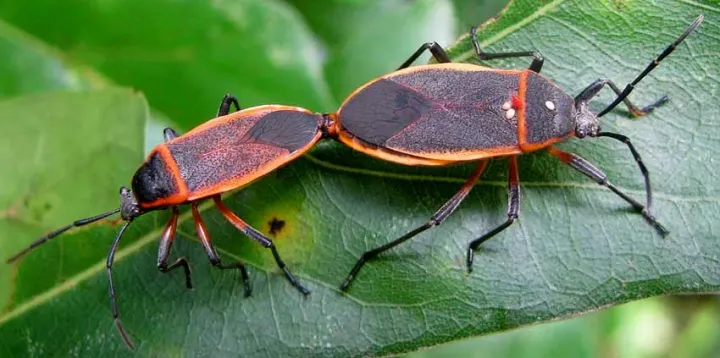
Largus succinctus, commonly known as the bordered plant bug, belongs to the family Largidae within the order Hemiptera. These insects are easily identified by their oval bodies, typically displaying a dark background with a striking orange or red border surrounding the pronotum and abdomen.
Adults and nymphs possess a specialized proboscis, which they use to pierce plant tissues and extract vital fluids. This species is notably social, often found in clusters, which serves as a protective mechanism against potential predators in their natural habitats.
They are primarily found throughout North and Central America, thriving in warm climates. Unlike some other members of the "true bug" group, they are less known for producing strong, offensive odors when disturbed, which distinguishes them in field observations.
The life cycle encompasses eggs, several nymphal stages, and the adult phase. Nymphs often have a distinct coloration compared to adults, typically appearing brighter or with different patterns, which change as they undergo sequential molts.
Agronomists emphasize the importance of identifying these insects early in the growing season. Their habit of aggregating on foliage makes them visible targets for integrated pest management scouting procedures.
What it damages
The bordered plant bug causes primary damage by feeding on the sap of growing shoots, buds, leaves, and developing fruits. This feeding habit drains energy from the plant, often leading to reduced vigor and stunted development.
A wide range of plants serves as hosts, including ornamental shrubs, various vegetables, and fruit-bearing trees. Young seedlings are particularly susceptible and may suffer severe stress or death under heavy infestation pressures.
Fruit damage is frequently manifested as localized necrotic spots or pitting, which occurs where the insect has pierced the epidermis. These wounds can permanently mar the appearance of the fruit, rendering it commercially unviable.
In addition to physical damage, the feeding wounds create entry points for secondary pathogens, such as fungal and bacterial infections. This can result in localized rotting or premature fruit drop, further decreasing overall crop yield.
During extended periods of drought, the bug's activity intensifies as it searches for moisture. This can lead to rapid wilting of foliage and severe chlorosis, effectively crippling the plant's ability to undergo photosynthesis during critical growth stages.
Signs of infestation
The most reliable sign of an infestation is the presence of the insects themselves, often gathered in tight, visible clusters on stems or the undersides of leaves. Their distinct red or orange borders make them relatively easy to spot.
Heavily infested plants exhibit mottled leaves with chlorotic or bleached-looking spots. As the infestation persists, these spots coalesce, leading to significant leaf damage and eventual necrosis.
Deformed fruit and stunted stem elongation are strong indicators that the plants have been feeding sites for nymphs or adults. In some cases, clear or slightly milky sap may be seen oozing from fresh puncture sites.
Frequent visits by ants to specific plant parts can often point to the presence of these bugs. Ants may follow the scent or activity of the bugs, providing a secondary visual cue for farmers scouting the field.
Early morning observations are best for detecting populations, as the bugs move to more exposed surfaces to warm themselves in the sun. Regular monitoring during these hours increases the chance of early intervention.
Control measures
Effective management of Largus succinctus relies on a combination of cultural practices and chemical interventions. Starting with good sanitation is essential to reduce the attractiveness of the area to these pests.
Removing weeds and debris around the field eliminates potential overwintering sites and reduces alternative food sources. Maintaining healthy, well-watered plants also helps them withstand moderate levels of feeding pressure.
When populations reach economic threshold levels, contact or systemic insecticides may be applied. It is crucial to select products labeled for use on the specific crop being treated to avoid phytotoxicity.
- Regular field scouting to identify clusters before they spread.
- Mechanical removal or washing of nymphs from small garden plants using a forceful stream of water.
- Encouraging natural predators, such as spiders and other beneficial insects, in the ecosystem.
Always rotate insecticide classes to minimize the risk of developing resistance. Additionally, careful timing of sprays—typically in the evening—helps to protect non-target beneficial pollinators and insects.
Taxonomy
- Latin name
- Largus succinctus
- Order
- Hemiptera (bugs, aphids, leafhoppers)
- Family
- Largidae
- EPPO code
- LARGSU
Discussion
No discussions yet — be the first.