
Largus bug
Largus
Description
How to identify
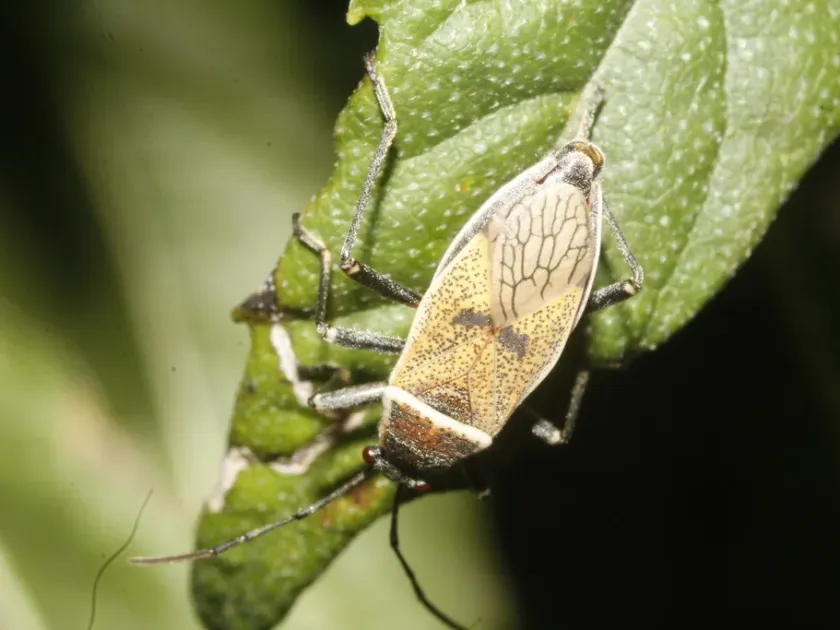
The Largus bug, belonging to the family Largidae and order Hemiptera, is a common insect characterized by its flattened, oval-shaped body. Mature adults typically reach lengths of 10–15 mm.
The coloration of these insects is highly distinctive, featuring a dark blackish background accented by bright red or orange margins on the pronotum and hemelytra. This high-contrast pattern often serves as a warning to potential predators.
Nymphs, or immature stages, are vibrant red with a characteristic dark spot located in the center of their abdomen. As they mature, they undergo several molts, gradually developing their adult markings.
Their mouthparts are designed as a piercing-sucking rostrum, which is specialized for extracting sap from various plant tissues. In many species, wings are reduced, making them primarily ground-dwelling insects that prefer to climb stems.
Largus bugs are gregarious, meaning they often aggregate in large groups. This behavior makes them highly visible during an infestation, especially when they gather on the succulent parts of host plants.
What it damages
Largus bugs are polyphagous, meaning they feed on a broad array of plant species. They pose a threat to fruit trees, small berries, vegetable gardens, and various ornamental landscape plants.
Both adults and nymphs cause damage by inserting their stylets into tender stems, buds, and fruit to drain cellular contents. This process disrupts the plant's nutrient transport system and causes localized tissue death.
On young shoots, this feeding behavior often leads to stunted growth, wilting, and deformation. Buds may fail to bloom, and developing fruit often exhibits pockmarks and necrotic spots that diminish their quality.
Beyond physical damage, the punctures created by the bugs allow secondary pathogens, such as bacteria and fungi, to enter the plant tissues, potentially leading to more severe systemic infections.
In cases of high population density, the combined stress of sap loss and opportunistic infections can lead to significant yield reduction and the eventual death of highly susceptible young plants.
When it appears
The seasonal cycle of the Largus bug is heavily dependent on ambient temperature and moisture levels. They emerge from winter dormancy as soon as spring temperatures consistently rise above the threshold for insect activity.
Adults overwinter in protected microhabitats, such as dense leaf litter, mulch layers, or crevices in tree bark. Once conditions are favorable, they move to their host plants to begin feeding and reproduction.
The peak of their seasonal activity typically occurs during mid-summer. This coincides with the mass hatching of nymphs, which can rapidly colonize a wide range of vegetation in a short period.
In regions with long, temperate growing seasons, the bug may complete multiple generations. Fall activity involves searching for suitable overwintering sites, often congregating in large numbers near structure foundations or debris.
Agronomists monitor these seasonal shifts closely, as early spring warmth can lead to an earlier start for the lifecycle, increasing the potential for population growth throughout the season.
Signs of infestation
Early symptoms of a Largus bug infestation include small, chlorotic stippling marks on leaves. These marks are the direct result of insects feeding on the underside of the foliage.
As feeding continues, these spots may coalesce into larger yellow or brown necrotic patches. Leaves may lose their natural turgor and become distorted or curled as they dry out.
Fruit shows the most obvious signs, with pitted, sunken areas or discoloration at the site of feeding punctures. These marks often make the produce unattractive and unmarketable.
The most reliable sign of an active infestation is the visual observation of the bugs themselves. Clusters of red nymphs or dark adults with reddish margins can be found along stems and leaf axils.
- Yellowing and chlorotic stippling on leaves.
- Wilting and curling of tender terminal shoots.
- Pitted or deformed fruit surfaces.
- Visible colonies of nymphs in plant crevices.
Control measures
Effective management begins with sanitation. Removing plant debris, weeds, and heavy mulch layers in the fall eliminates the preferred overwintering sites for the adult population.
For small-scale infestations, mechanical removal is a viable option. Shaking plants over a container or using a strong blast of water can dislodge and reduce the number of bugs present on the plants.
Biological control agents, such as predatory beetles or parasitic wasps, can help keep populations in check. Maintaining a healthy garden environment that supports these natural enemies is crucial.
When chemical intervention is necessary, the use of contact or systemic insecticides should be carefully timed to protect non-target pollinators. Always choose products registered for the specific crop.
Regular scouting is the most effective proactive measure. Identifying the bug in its early nymph stages allows for localized treatments, preventing the need for broad-spectrum insecticide applications across the entire field.
Taxonomy
- Latin name
- Largus
- Order
- Hemiptera (bugs, aphids, leafhoppers)
- Family
- Largidae
- EPPO code
- LARGSP
Discussion
No discussions yet — be the first.