
Kotochalia bagworm
Kotochalia
Description
How to identify
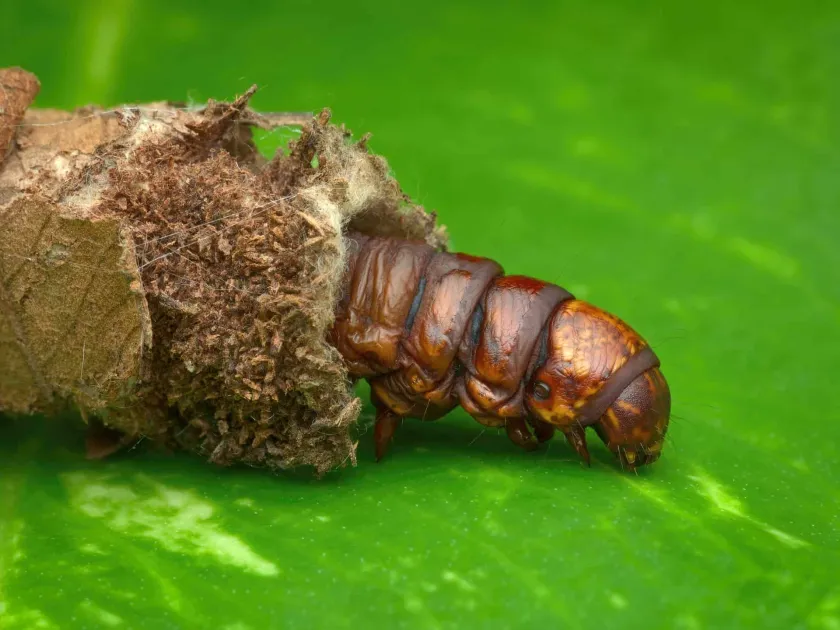
The Kotochalia bagworm (Kotochalia) belongs to the family Psychidae, within the order Lepidoptera. These insects are easily recognized by their unique habit of constructing protective cases, or "bags," out of silk combined with small fragments of bark, twigs, or leaf debris.
Males possess wings and are capable of flight, while females are larviform and spend almost their entire lives confined within their protective cases. The case acts as a formidable armor, shielding the insect from predators, parasites, and unfavorable environmental conditions.
The larvae, or caterpillars, typically display muted colors ranging from light brown to grey, which provides camouflage against the bark of host plants. The metamorphosis process occurs entirely inside the case, making the pupal stage well-protected.
These insects generally complete one generation per year, though this may vary depending on local climate conditions. Because females have limited mobility, infestations often spread slowly and cluster around specific host trees before potentially expanding to neighboring plants.
To identify this pest in a garden setting, look for small, rigid structures hanging from branches that look like dried buds or broken twigs. If they remain fixed in place or appear to move slightly during the day, they are likely inhabited bagworms.
What it damages
Kotochalia bagworms infest a broad range of woody plants, including ornamental shrubs, orchard trees, and various coniferous species. Weakened or drought-stressed plants are significantly more susceptible to severe infestations and subsequent damage.
The larvae feed on foliage, needles, and sometimes even the tender bark of young shoots. In cases of high population density, they can completely defoliate a tree, leading to severe physiological stress and significantly stunted growth over the season.
On coniferous trees, feeding causes the drying and dropping of needles, which may lead to branch dieback. Deciduous plants experience leaf skeletonization, where the caterpillars consume the soft leaf tissue, leaving behind only the veins and midribs.
A major aspect of the damage is the creation of entry points for secondary fungal and bacterial pathogens. These pathogens can colonize the damaged bark and leaf tissue, potentially causing diseases that can further weaken or eventually kill the host plant.
Damage to buds in early spring is particularly harmful to fruit-bearing species, as it directly impacts the plant's reproductive potential, leading to reduced flowering and crop yields for the current year.
Signs of infestation
The most prominent sign is the physical presence of bagworm cases attached to twigs or stems. These cases are often mistaken for natural tree debris, so look for consistency in shape and orientation that does not match the tree's natural growth pattern.
Symptoms of feeding activity include jagged or incomplete leaves. As larvae graze, they often incorporate fragments of the leaf they are eating into their own cases, which can be seen as fresh green bits attached to the outer layer of the bag.
The presence of fine silk webbing on leaves or twigs is another indicator, as larvae use silk to anchor themselves while moving or during molting periods. Additionally, the accumulation of frass (larval droppings) in the form of small, dark pellets under branches is a clear sign of an active infestation.
As the infestation progresses, trees may show an overall thinning of the canopy. In severe cases, the tree may exhibit "flagging"—the premature yellowing or browning of foliage on isolated branches that have been heavily grazed.
During the evening or early morning, one might observe the larvae extending from the cases to feed. If the tree seems to be losing its vigor or exhibits unexpected branch death, a thorough inspection of the canopy for bagworm presence is strongly advised.
Control measures
The most effective and eco-friendly control method is manual removal. By hand-picking and destroying the bags during the dormant winter period, you can effectively eliminate the next generation before the larvae hatch in the spring.
For larger infestations, chemical control using systemic or contact insecticides is recommended. The timing of the application is crucial; it must coincide with the early larval stage when the caterpillars are young and have not yet built large, impenetrable cases.
Biological control methods, such as utilizing Bacillus thuringiensis (Bt), are highly effective against bagworms. These targeted biopesticides only affect lepidopteran larvae and leave beneficial insects, such as pollinators and predators, unharmed.
Good horticultural practices, including proper watering, balanced fertilization, and avoiding unnecessary physical stress to the trees, help maintain a healthy plant immune system, making them less attractive to opportunistic pests like Kotochalia.
- Monitor trees regularly for the presence of hanging cases.
- Manually remove and incinerate all bags found during winter.
- Use pheromone traps to disrupt the mating cycle of adult males.
- Apply targeted bio-insecticides when young larvae start active feeding.
Taxonomy
- Latin name
- Kotochalia
- Order
- Lepidoptera (butterflies)
- Family
- Psychidae
- EPPO code
- KOTOSP
Discussion
No discussions yet — be the first.