
Lac insect
Kerria lacca
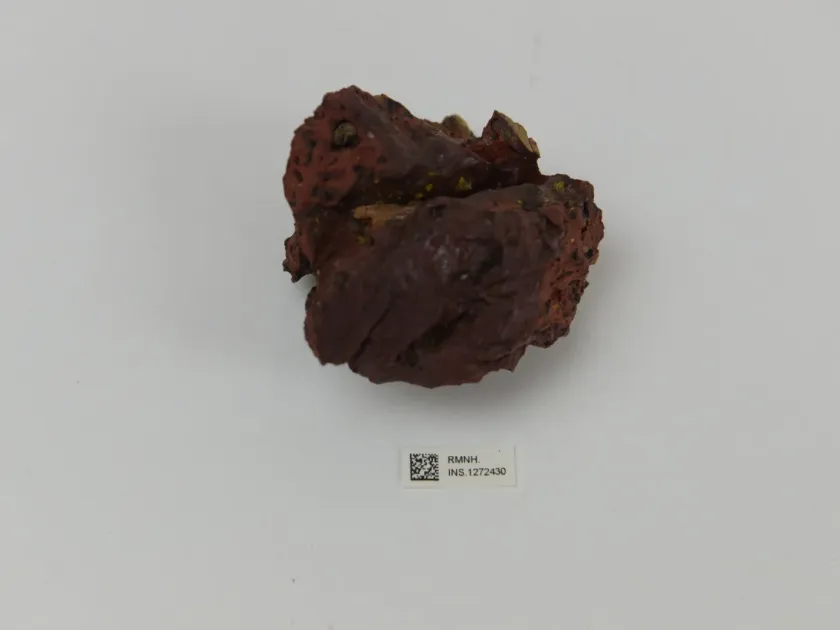
Description
How to identify
The lac insect (Kerria lacca) belongs to the order Hemiptera and the family Kerriidae. These insects are biologically distinct due to their ability to secrete a resinous substance that forms a protective, hard layer over the tree branches they inhabit.
Adult females are sessile, meaning they remain fixed in one location for their entire adult life, enclosed within the lac resin they produce. Males, however, possess wings and are active, searching for females to facilitate reproduction.
The offspring, known as crawlers, are tiny and highly mobile during their initial stage of life. This is the critical period when the insect disperses to new parts of the host tree or spreads to neighboring plants.
The body color of the lac insect ranges from light red to deep purple. Because they live in dense colonies, their combined secretions create significant crusts on twigs, which are easily visible to the naked eye upon inspection.
While historically valuable for the production of commercial shellac, in modern horticulture, high densities of these insects are considered detrimental to the health and structural integrity of affected host plants.
What it damages
The lac insect feeds on a variety of woody plants, including various species of Ficus, Acacia, and other tropical trees. By inserting their mouthparts into the phloem, they continuously extract essential plant sap.
This persistent nutrient loss leads to the stunting of growth, deformation of young shoots, and significant weakening of the tree's vigor. In severe cases, the bark may crack, creating entry points for opportunistic fungal or bacterial pathogens.
The honeydew excreted by the insects promotes the growth of sooty mold, a dark fungal coating that covers leaves and drastically inhibits photosynthesis. This reduction in energy production severely impacts the plant's overall fruit-bearing potential.
Affected trees often exhibit dieback of twigs and, if not managed, can experience long-term decline in productivity. The physical weight of the lac crust combined with the physiological damage can cause the collapse of smaller branches.
The damage is cumulative, as the colonies can remain active on the same tree for years if environmental conditions remain favorable, continuously draining the plant's resources.
When it appears
The life cycle of the lac insect is closely synchronized with environmental factors such as temperature and humidity, which are prevalent in its native tropical range. They typically undergo two generations per year.
The emergence of crawlers is seasonal and highly dependent on local climatic conditions. Monitoring this specific window is essential for successful pest management programs in commercial nurseries.
Once the crawlers settle on a suitable branch, they initiate the secretion of the resinous coat, which provides a durable, year-round shelter that protects them from external predators and many pesticides.
Because the life cycle is continuous, overlapping generations can occur, making it difficult to identify a single «off-season» period where the trees are entirely free of the pest.
Effective scouting must account for these seasonal cycles to ensure that interventions are timed perfectly with the crawler emergence phase, which is the only time the insect is truly vulnerable.
Signs of infestation
The most prominent sign of infestation is the appearance of hard, resinous crusts on twigs and small branches. These deposits may look like patches of amber or brownish hardened wax.
The presence of sooty mold on the foliage is a key indicator of infestation, signaling that the trees are under stress from sap-sucking insects like the lac insect.
Stunted development of new growth and a lack of vigor are typical symptoms. If a tree shows yellowing leaves or premature leaf drop, it is often a sign of an advanced infestation.
During the crawler phase, one can observe tiny, red-colored insects moving along the bark, specifically congregating near the succulent tips of the branches.
- Hard resinous crusts on the wood.
- Sticky honeydew secretions on leaves.
- Heavy sooty mold development.
Control measures
Mechanical removal through pruning of heavily infested branches is the most direct and effective method for keeping the colony size under control in garden settings.
Application of systemic or contact insecticides should be timed specifically to the crawler stage. Once the protective lac layer is formed, standard chemical treatments have limited efficacy.
The use of horticultural oils can be highly effective by suffocating the insects and disrupting their life cycle without leaving toxic chemical residues on the plants.
Maintaining high plant health through balanced fertilization and adequate irrigation helps the tree withstand the pressure exerted by the insects and supports rapid recovery.
Biological control methods involve the introduction or conservation of natural enemies, such as parasitic wasps or ladybird beetles, which are known to prey on lac insect colonies.
Taxonomy
- Latin name
- Kerria lacca
- Order
- Hemiptera (bugs, aphids, leafhoppers)
- Family
- Kerriidae
- EPPO code
- KERRLA
Discussion
No discussions yet — be the first.