
Hypatima
Hypatima
Description
How to identify
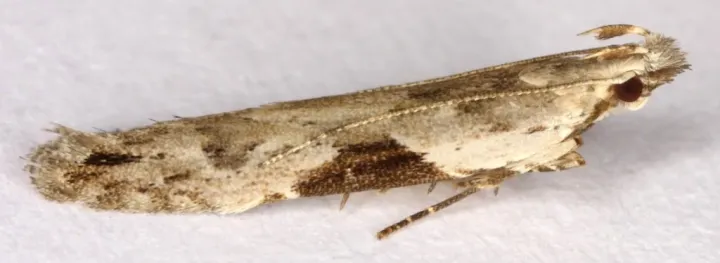
Hypatima is a genus of small moths belonging to the family Gelechiidae, commonly known as twirler moths. These insects are characterized by their narrow wings and specific resting postures.
Adult moths are typically cryptic in coloration, featuring shades of brown and grey that camouflage them effectively against tree bark and twigs during the daytime.
The larvae are small caterpillars that go through several developmental instars. They are highly agile and often drop to the ground or hide when disturbed.
As members of the order Lepidoptera, they undergo complete metamorphosis, passing through the stages of egg, larva, pupa, and adult moth.
Accurate identification to the species level often requires laboratory examination, as many moths within the genus share similar morphological traits.
What it damages
Species of the Hypatima genus are known to infest various deciduous trees, with some species being significant pests of fruit crops such as apples and pears.
The larvae feed on young foliage, buds, and sometimes developing shoots. They commonly roll leaves using silk webbing, creating protective shelters while they feed.
This feeding behavior causes leaf skeletonization and severe deformation, which significantly reduces the photosynthetic efficiency of the host tree.
In addition to direct damage to leaves, heavy infestations can weaken the trees, making them more susceptible to subsequent secondary infections or stressors.
While often considered minor pests, in favorable climatic conditions, their populations can spike, leading to noticeable economic losses in commercial orchards.
When it appears
The life cycle typically aligns with the seasonal development of host trees, with activity commencing in early spring as temperatures rise and buds begin to swell.
Adult moths are usually nocturnal and most active during the warmer months. Depending on the species and climate, there may be one or more generations per year.
Larval feeding is most intensive during the late spring and early summer when the trees are putting out new, nutrient-rich growth.
As temperatures begin to drop, the insects enter a period of diapause or hibernation, typically as pupae or adults, in sheltered locations on or near the host plant.
Monitoring for the presence of the pest should start as early as the green tip stage of the buds to ensure timely intervention if necessary.
Signs of infestation
One of the most obvious signs of infestation is the presence of tightly rolled or webbed leaves on the branches of the host trees.
Frass, which appears as small dark pellets, is often found within the silk-bound leaf shelters, serving as a clear indicator of larval presence.
Bud damage is another symptom, where buds fail to open properly or appear withered due to the larvae eating the internal tissues before emergence.
Skeletonized leaf patches and irregular holes on the leaves indicate the feeding activity of younger larvae before they create more elaborate shelters.
Gardeners may also observe an increased number of small, narrow-winged moths flying around the canopy at dusk, signaling the adult stage of the pest.
Control measures
Cultural control is a primary defense, including the removal and destruction of fallen leaves and pruning of infested twigs during the dormant season.
Biological control methods involve the application of Bacillus thuringiensis sprays, which effectively target young caterpillars without harming beneficial predatory insects.
Chemical intervention should be timed precisely to target the larvae during their mobile phase before they become protected inside rolled leaves.
The use of pheromone traps is recommended to monitor the flight patterns of adult moths, allowing for accurate timing of insecticide applications.
Sustainable orchard management, including promoting biodiversity, helps keep the pest populations in check naturally by supporting their local parasitoids and predators.
Taxonomy
- Latin name
- Hypatima
- Order
- Lepidoptera (butterflies)
- Family
- Gelechiidae
- EPPO code
- HYTMSP
Discussion
No discussions yet — be the first.