
Tree frog
Hyla
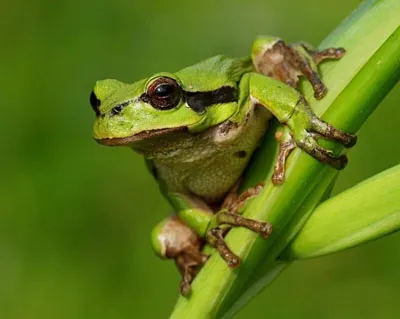
Description
How to identify
The tree frog (genus Hyla) belongs to the family Hylidae, order Anura. These amphibians are characterized by specialized adhesive toe pads, enabling them to navigate vertical surfaces, including various plants and smooth leaves, with remarkable agility.
Taxonomically, tree frogs are strict carnivores. Their physiological structure and digestive systems are entirely specialized for consuming insects and small invertebrates. They lack the biological mechanism to feed on plant tissues, classifying them as beneficial animals rather than pests.
What it damages
Tree frogs do not damage agricultural crops. They do not consume plant leaves, roots, fruits, or stems. Any observed damage to crops near a frog is incidental and should be attributed to actual insect pests or pathogens, not to the amphibian.
In fact, these animals are highly beneficial for agricultural ecosystems. As natural predators, they consume significant quantities of harmful insects, including mosquitoes, small beetles, and moth larvae, effectively providing free biological pest management for your garden.
When it appears
The activity period for tree frogs typically spans from late spring through autumn, depending on environmental moisture and temperature. They are predominantly nocturnal, becoming active when humidity rises and temperatures are moderate.
During the day, they remain in sheltered, humid areas, often tucked inside the foliage of broad-leafed plants or shrubs. This helps them maintain skin hydration. Their breeding cycles often lead them toward wet areas or water features on or near the farm during the early season.
Signs of infestation
The most common sign of a tree frog's presence is its characteristic vocalization, especially on humid evenings. You may also spot them resting on the underside of leaves or on garden structures where they wait for prey.
Because they cause no damage, there are no specific signs of "infestation" to manage. They are silent partners in crop health, and their presence should be considered a positive indicator of a healthy, non-toxic garden environment.
Control measures
There is no need for control measures against tree frogs. They are strictly beneficial organisms. Attempts to remove them would be counterproductive to the natural balance of a healthy garden or orchard.
To encourage their presence, avoid the use of broad-spectrum insecticides that could harm these fragile creatures. Providing a small, clean water source and maintaining damp, vegetated areas will help sustain a healthy population of tree frogs as natural pest controllers.
Taxonomy
- Latin name
- Hyla
- Family
- Hylidae
- EPPO code
- HYLISP
Discussion
No discussions yet — be the first.