

Pest · affects Winter wheat, Winter barley, Winter rapeseed
Wheat beetles
Description
How to identify
Grain beetles are a collective group of insects belonging to the family Scarabaeidae (order Coleoptera). The most prominent members of this group are the species within the genus Anisoplia, commonly known as grain chafers or wheat beetles, which are significant pests of cereal crops.
Adult beetles have a sturdy, oval-shaped body, typically measuring 10–16 mm in length. Their coloration ranges from metallic green and bronze to dull brown or black. This distinct appearance makes them relatively easy to identify during their peak activity hours in the field.
The life cycle of these pests typically spans two years, with the majority of this time spent underground in the larval stage. The larvae are C-shaped, fleshy, white grubs with a brown head capsule, specialized for life within the soil profile where they feed on organic matter and roots.
Adult beetles are highly mobile and display strong flight capabilities, allowing them to migrate rapidly across agricultural landscapes. This mobility is a major challenge for farmers, as infestation sites can change throughout the growing season based on crop maturity.
Taxonomically, the group includes several closely related species that share similar biological traits and damage patterns. Understanding their uniform ecological requirements is essential for implementing effective monitoring programs and preventative measures in large-scale farming.
What it damages
The primary damage is caused by the adult beetles, which feed on developing grain during the milk and dough stages of cereal maturity. They consume the soft grains, often leaving behind empty husks or causing the entire head to wither, resulting in substantial yield losses.
Larval stages inflict damage by feeding on the root systems of crops, including wheat, barley, rye, and corn. This root feeding stunts plant growth, reduces vigor, and can cause plant death in areas with high larval density, particularly during dry spells.
Cereal crops such as wheat are the most vulnerable. However, the beetles can also utilize wild grasses as alternative food sources, which serves as a reservoir for population build-up in field margins and uncultivated areas throughout the spring and early summer.
The economic impact of grain beetles is most severe in years with hot, dry summers that coincide with the grain-filling phase. Damage leads not only to quantitative loss but also to a decrease in seed quality and weight, impacting the overall market value of the harvest.
In cases of severe infestation, yield losses can range from 30% to over 50%. The combination of larval root damage and adult grain consumption creates a cumulative negative effect on the plant, often leading to reduced nutrient uptake and lodging.
When it appears
The emergence of adult beetles typically occurs in early to mid-summer, depending on the specific region and seasonal temperature trends. The peak period of activity and feeding usually lasts for three to five weeks, directly impacting crop development.
After mating, females deposit their eggs into the soil. The larvae emerge shortly thereafter and undergo a two-year development cycle. During this time, they overwinter deep within the soil profile to avoid freezing temperatures, moving back toward the surface in the spring.
The pupal stage occurs in the soil during the spring of the second year. The transition from pupa to adult is highly dependent on soil temperature and moisture levels, which dictates the exact timing of the subsequent beetle flight for each agricultural season.
Monitoring the flight onset is crucial for growers, as the timing of control measures must be precise to be effective. Weather patterns, especially heat waves, can trigger mass emergence, causing sudden and rapid damage to susceptible cereal fields.
Effective management requires tracking these phenological stages. By correlating seasonal data with field observations, agronomists can predict high-risk periods and deploy control strategies before mass grain consumption occurs.
Signs of infestation
Signs of infestation include the appearance of "white heads" or empty spikes within the field. Close inspection reveals the beetles feeding on the ears, often in groups, showing a strong preference for ripening grain at the edges of the field or in patches.
During the day, beetles are easily visible on the cereal spikes. They are sensitive to vibrations and movement, often dropping to the ground when approached, which is a behavioral sign that farmers can use during manual field scouting.
Root damage caused by larvae is identified by the uneven growth of crops, where patches of plants show yellowing or wilting despite adequate moisture. Digging into the soil in these areas will reveal the white grubs, confirming their presence.
Field monitoring should include sweep netting to determine the number of beetles per square meter. These data are compared against the economic injury level to justify the costs and environmental impact of applying chemical control methods.
Light traps are another effective tool for night-time monitoring, providing early warnings of adult emergence. This information helps in coordinating timely insecticide applications to protect the crop during the most vulnerable developmental stages.
Control measures
Deep autumn tillage is a cornerstone of integrated pest management for grain beetles. It exposes larvae and pupae to the soil surface, where they become vulnerable to predation by birds and mortality due to desiccation or extreme weather conditions.
Crop rotation remains highly effective for disrupting the life cycle. By planting non-host crops in fields with high infestation history, growers can starve the larval population and significantly reduce the number of emerging adults in the following seasons.
If beetle density exceeds the economic threshold, targeted insecticide applications are required. Products from the pyrethroid or neonicotinoid classes are commonly used, ensuring that application timing coincides with the peak beetle activity before significant damage is done.
Sustainable control involves preserving beneficial natural enemies and pollinators. Applying pesticides during the late evening helps protect non-target species, while maintaining natural habitats supports birds that naturally suppress beetle populations.
Harvesting grain as early as possible can also mitigate losses. Direct combining reduces the time the crop is left exposed in the field, thereby decreasing the total time available for the beetles to feed on the ripening spikes.
Reference
Connections · Wheat beetles
Most often together:
Marketplace
Products · 99
All 99
Insecticides, Acaricides 94
Plant Growth Regulators 1
Fungicides 1
Potato 1
Sunflower 1
Rapeseed 1

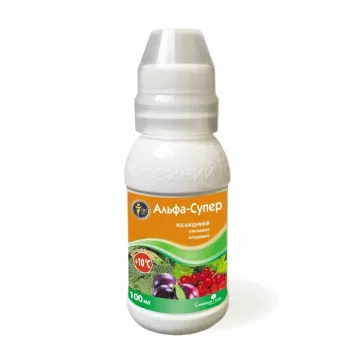


Newstar EC, (zeta-cypermethrin, 100 g/l)
Sunrise Chemicals
Insecticides
0
0
1 offer
49.43 €за кг
Buy


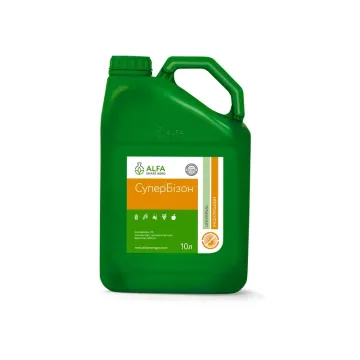


Killer, EC, (chlorpyrifos, 500 g/l + cypermethrin, 50 g/l)
Trustchem
Insecticides
0
0
2 offers
45.52 €per 1 l
Buy


Vantex 60, microencapsulated suspension (gamma-cyhalothrin, 60 g/l)
Dow AgroSciences
Insecticides
0
0
2 offers
24.29 €per 1 l
Buy


Community
Discussion
No discussions yet — be the first.