
Hieroxestis
Hieroxestis
Description
How to identify
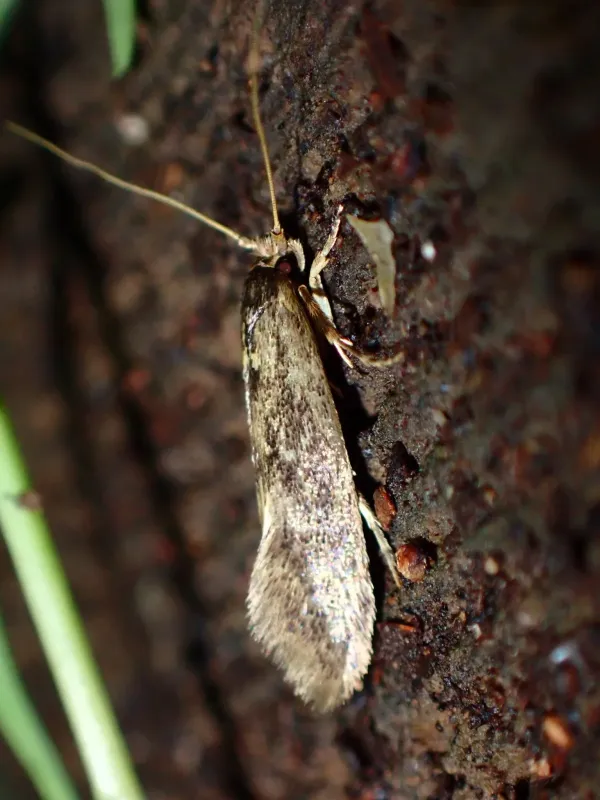
Hieroxestis is a genus belonging to the Tineidae family (true moths). These small insects are characterized by narrow wings and cryptic coloration, which provides effective camouflage on tree bark or fruit surfaces.
The adult form is a small moth, often difficult to spot without specialized monitoring tools such as pheromone traps. Their taxonomy includes several species, with Hieroxestis subcervinella being the most recognized agricultural threat.
The lifecycle follows a standard transformation: egg, larva, pupa, and imago. The larval stage is the most destructive, as the caterpillars spend their time mining into plant tissues.
These moths are highly adapted to humid environments, allowing them to thrive in tropical orchards and sometimes within storage facilities where fruits are kept for ripening.
Because the larvae reside inside the fruit or plant stalks, their presence is often not noticed until significant physical damage has already occurred, necessitating early detection strategies.
What it damages
The primary crop affected by Hieroxestis is the banana. The larvae damage both growing fruit on the plant and stored produce, significantly reducing the commercial value of the harvest.
By boring into the skin and pulp of the fruit, larvae create tunnels that serve as entry points for fungi and bacteria, leading to rot and rapid degradation of the produce quality.
In addition to bananas, the genus can affect other tropical plants and stored agricultural commodities, often surviving on decaying organic matter or previously damaged plant tissues.
Young shoots and inflorescences are also subject to attack, which stunts plant growth and reduces the overall yield potential of the plantation.
Economic damage is substantial, as infected fruit must be heavily sorted, and in many cases, total batches are rejected due to strict phytosanitary requirements for export.
Control measures
Managing Hieroxestis populations requires an integrated pest management (IPM) strategy due to the protected nature of the larvae inside plant tissues.
Sanitation is the cornerstone of control: regular removal and destruction of rotting fruit and harvest residues prevents the accumulation of the pest population within the orchard.
Pheromone monitoring allows farmers to track adult activity and apply targeted insecticide treatments only when necessary, which preserves beneficial insects and reduces costs.
Biological control agents, including entomopathogenic fungi or bacteria, are effective in targeting the larvae within their mines, offering a sustainable alternative to broad-spectrum chemical sprays.
Strict adherence to quarantine and biosecurity protocols during the transportation of fruit is essential to prevent the spread of the moth to new production zones.
Taxonomy
- Latin name
- Hieroxestis
- Order
- Lepidoptera (butterflies)
- Family
- Tineidae
- EPPO code
- HIERSP
Discussion
No discussions yet — be the first.