
Helcystogramma
Helcystogramma
Description
How to identify
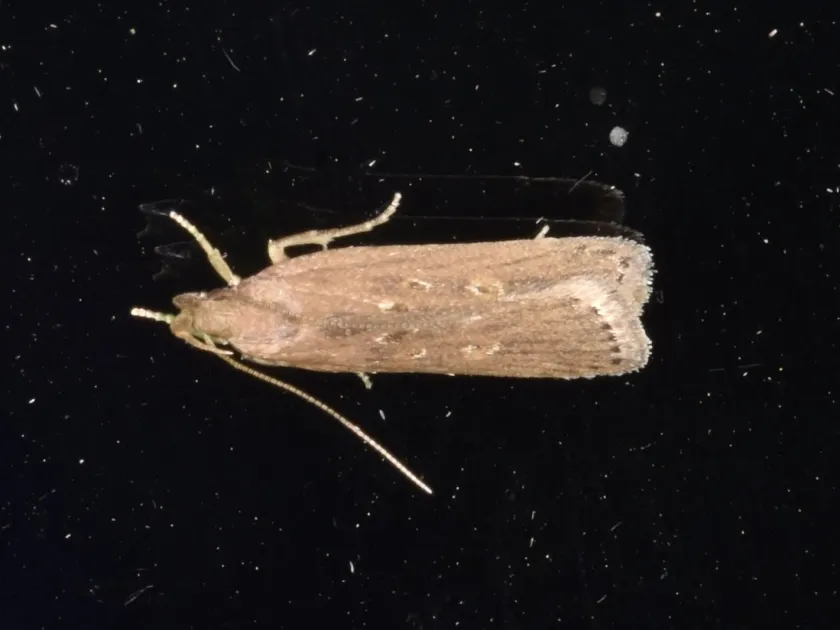
Helcystogramma is a genus of moths belonging to the family Gelechiidae (twirler moths). These small insects are characterized by a distinct notch on the outer margin of their forewings, which is a key identification feature for entomologists.
Adult moths typically exhibit cryptic coloration ranging from grayish to brownish, which allows them to blend into the surrounding vegetation, making them difficult to spot during routine field inspections.
The larvae, or caterpillars, possess strong mandibles adapted for feeding on various plant tissues. Their appearance varies depending on the species and the larval instar, but they are generally identifiable by their behavior within leaf structures.
As members of the order Lepidoptera, their taxonomic classification is well-established, though identifying specific species often requires microscopic examination of genital structures to ensure precision.
Understanding the biology of this genus is essential for effective agricultural management, as misidentification could lead to the selection of incorrect control measures and failure to suppress the population.
What it damages
This pest affects a wide range of agricultural crops, including cereals and legumes. The damage is primarily caused by larvae that consume leaf tissue, often leading to skeletonization and significant yield losses.
The larvae feed by creating galleries or skeletonizing leaves, which drastically reduces the photosynthetic surface area of the plant. This stress often leads to stunted growth and reduced biomass accumulation.
In cases of severe infestation, the cumulative damage can lead to the total loss of individual plants or localized patches, significantly impacting the overall economic yield of the field.
Additionally, the physical damage inflicted by the larvae creates entry points for secondary infections, such as fungi or bacteria, which further compromise the health and quality of the crop.
The severity of the damage is largely dependent on the density of the larval population and the stage of crop development at the time of the infestation.
When it appears
The life cycle of Helcystogramma is highly sensitive to environmental factors like temperature and humidity. Their activity usually peaks during the spring and summer months when host plants are in their most vigorous growth phases.
The pest typically overwinters in the pupal or larval stage, residing in the soil or protected under crop debris. This survival strategy allows them to endure harsh winter conditions successfully.
With the arrival of warmer spring temperatures, the adults emerge and begin their reproductive cycle. Depending on environmental conditions, the pest may complete multiple generations within a single growing season.
Larval activity is most intense under moderate temperatures and high humidity. While extreme heat or dry conditions may slow their development, the species remains a persistent threat throughout the vegetative period.
Monitoring for adult flight using pheromone traps is a critical component of pest management, allowing farmers to predict egg-laying periods and time their interventions for maximum effect.
Signs of infestation
Visible signs of an infestation include the appearance of characteristic feeding marks, such as translucent patches on leaves where the upper epidermis remains intact while the parenchyma is consumed.
Another common indicator is the presence of webbed leaf clusters or folded leaves, which the larvae use as protective shelters while they feed. These structures are often easily spotted during early morning field walks.
The presence of larval frass (excrement) on the leaf surface or within the silken webs is a clear signal of ongoing infestation and active feeding by the caterpillars.
Stunted plant growth, yellowing of leaves, or premature wilting can also indicate a high population density of these pests, necessitating immediate professional inspection.
Examining the underside of leaves for eggs or young larvae can help confirm the identity of the pest and determine the optimal timing for control actions.
Control measures
Managing Helcystogramma requires an integrated pest management (IPM) approach that combines mechanical, biological, and chemical strategies to achieve sustainable results.
- Crop rotation to disrupt the life cycle and reduce overwintering populations.
- Deep plowing to bury pupae and larvae, preventing them from emerging in the spring.
- Weed management to eliminate alternative host plants near crop fields.
- Use of biological control agents, such as parasitoid wasps or entomopathogenic fungi.
- Application of selective insecticides when the economic threshold is exceeded.
Chemical control should be strategically timed to target young larvae before they can build protective webs, as older larvae are significantly more resistant to spray treatments.
Encouraging the presence of natural predators and parasitoids in the field is a key component of long-term biological control, helping to maintain pest populations below harmful levels.
Regular field scouting and monitoring are essential to identify infestations early, enabling targeted applications that minimize environmental impact while protecting crop health.
Taxonomy
- Latin name
- Helcystogramma
- Order
- Lepidoptera (butterflies)
- Family
- Gelechiidae
- EPPO code
- HECYSP
Discussion
No discussions yet — be the first.