
Gymnocarena
Gymnocarena
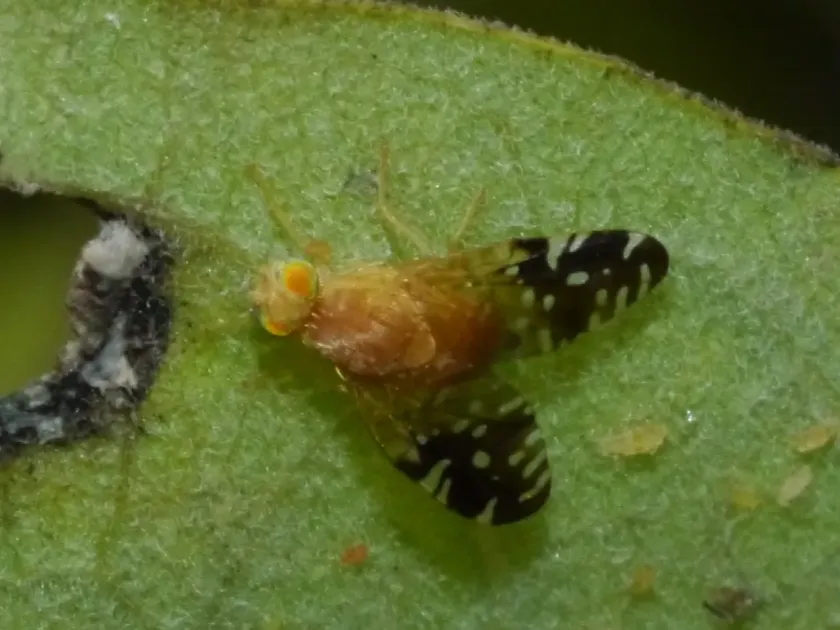
Description
How to identify
Gymnocarena is a genus of tephritid fruit flies (family Tephritidae, order Diptera) known for their distinct wing patterns and specialized feeding habits on host plants.
Adult flies are medium-sized and possess well-developed compound eyes and mouthparts evolved for feeding on plant exudates and nectar in their environment.
The larvae are typical of the fruit fly family, characterized by a legless, maggot-like appearance with a specialized posterior section for movement within plant tissue.
Members of this genus are native to North America and are primary herbivores associated with Asteraceae, particularly various species of sunflowers.
The genus is closely related to other agricultural pests, making accurate identification essential for implementing targeted pest management protocols in fields.
What it damages
The larvae of Gymnocarena feed primarily on the flower heads of sunflowers, causing severe disruption to the plant's reproductive development.
By tunneling into the receptacle and consuming developing seeds, they directly reduce crop yields and negatively impact the quality of the harvest.
Damage to the flower head often creates entry points for secondary pathogens, such as fungi and bacteria, which can lead to head rot and tissue necrosis.
The economic impact is significant as the feeding activities cause seeds to become shriveled, empty, or completely destroyed, leading to lower oil content.
Producers often observe lower test weights and reduced marketable yield in fields with high infestation levels of this particular fruit fly species.
When it appears
The activity of Gymnocarena is strictly synchronized with the phenological stages of sunflower growth, specifically the budding and flowering phases.
Adult flies emerge during the warmer months, with timing determined by temperature thresholds that trigger mating and egg-laying activities.
The larval stage coincides with the crucial development period of the sunflower seeds, making this the primary window for potential economic damage.
Typically, the flies complete their cycle within one or two generations, with development duration highly dependent on local climatic conditions and host availability.
Overwintering occurs in the pupal stage, usually buried in the soil or within crop debris, which serves as a protective mechanism against harsh weather.
Signs of infestation
Initial signs of infestation include small, visible puncture marks on the floral bracts caused by the female's ovipositor during egg-laying.
Deformation of the flower head or asymmetric growth of the sunflower disc is a frequent indicator that larvae have begun feeding internally.
Dissecting the flower head often reveals tunneling and the presence of larval frass, which confirms the active presence of the pest within the tissue.
Late-season signs include premature drying of the flower head and the scattering of underdeveloped, damaged seeds before the standard harvest time.
- Oviposition punctures on bracts
- Deformed flower heads
- Internal tissue necrosis
- Larval frass in the receptacle
Control measures
Crop rotation is the most effective cultural practice to disrupt the lifecycle of Gymnocarena and prevent population buildup in susceptible areas.
Deep plowing in the autumn helps to destroy overwintering pupae by exposing them to predators and unfavorable environmental conditions.
Chemical control must be applied strategically during the adult flight period, specifically targeting the flies before they oviposit into the sunflower heads.
Biological control methods involve supporting local populations of parasitoid wasps that can regulate the number of larvae and reduce overall infestation rates.
Implementing monitoring programs using yellow sticky traps allows agronomists to track flight peaks and apply protective treatments at the optimal timing.
Taxonomy
- Latin name
- Gymnocarena
- Order
- Diptera (flies)
- Family
- Tephritidae
- EPPO code
- GYMRSP
Discussion
No discussions yet — be the first.