
Gelechia desiliens
Gelechia desiliens
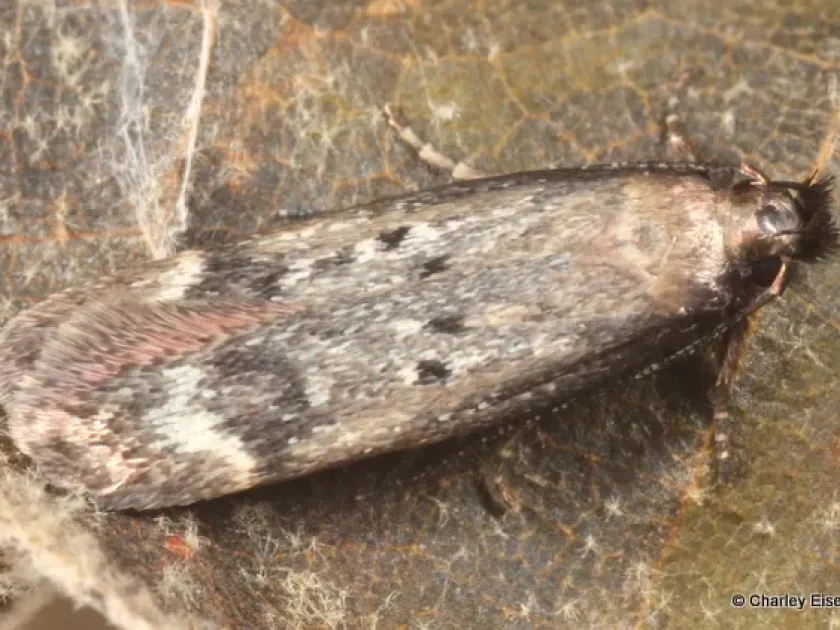
Description
How to identify
Gelechia desiliens is a species of moth belonging to the family Gelechiidae. This insect is recognized as a potential pest in agricultural settings, specifically targeting diverse host plants.
The adult moth exhibits cryptic coloration, which serves as a camouflage against the natural backdrop of host plants, making them difficult to detect during daylight hours.
The larval stage, or caterpillar, is the primary phase responsible for damage. These larvae are characterized by their agility, allowing them to drop from plants when disturbed, which is a key defensive behavior.
Pupation typically occurs in protected locations such as rolled leaves or crevices in the soil, protected by a silk cocoon that ensures stability during the transformation process.
The life cycle is highly influenced by environmental factors, including temperature and humidity, which dictate the duration of each developmental stage and the number of generations per year.
What it damages
Gelechia desiliens caterpillars feed on the leaves of host plants, causing visible tissue loss through skeletonization or the creation of irregular holes.
High population densities can lead to severe defoliation, which reduces the photosynthetic capacity of the host and can ultimately lead to stunted growth and yield reduction.
In addition to foliage, larvae may infest buds or young shoots, disrupting plant development and potentially leading to the formation of malformed structures.
The feeding activity creates entry points for secondary pathogens, such as fungi or bacteria, which can cause diseases that further complicate the health status of the crop.
Economic damage is most pronounced when the infestation coincides with sensitive stages of plant growth, necessitating prompt intervention to prevent widespread yield losses.
Signs of infestation
A primary indicator of infestation is the presence of silk-webbed leaves, which the caterpillars use as protective retreats during their feeding process.
Visual observations of small holes on the leaf surface, accompanied by the presence of dark frass (droppings), are reliable signs of active larval presence.
Leaf yellowing or necrosis in the vicinity of larval feeding sites is common, reflecting the intensity of damage to the plant tissue caused by the pest.
Observation of adult moths flying near the canopy, especially during twilight, indicates the potential for a new generation of larvae if eggs are laid.
Deformed or withered terminal growth is a late-stage indicator, often suggesting that the pest has been active in the area for a significant period.
Control measures
Cultural control measures, such as crop rotation and the removal of crop residues, are essential to disrupt the life cycle and reduce overwintering populations.
Chemical control via selective insecticides is recommended when population thresholds are exceeded, ensuring that timing targets the most vulnerable larval stages.
Biological control options, including the introduction of natural predators or the use of entomopathogenic fungi, provide a sustainable alternative to chemical sprays.
Monitoring programs using pheromone traps provide accurate data on moth flight patterns, which assists in timing applications to achieve the highest efficacy.
Integrated Pest Management (IPM) strategies, which combine cultural, biological, and chemical methods, remain the most effective approach for managing this moth species.
Taxonomy
- Latin name
- Gelechia desiliens
- Order
- Lepidoptera (butterflies)
- Family
- Gelechiidae
- EPPO code
- GELEDS
Discussion
No discussions yet — be the first.