
Fascista
Fascista
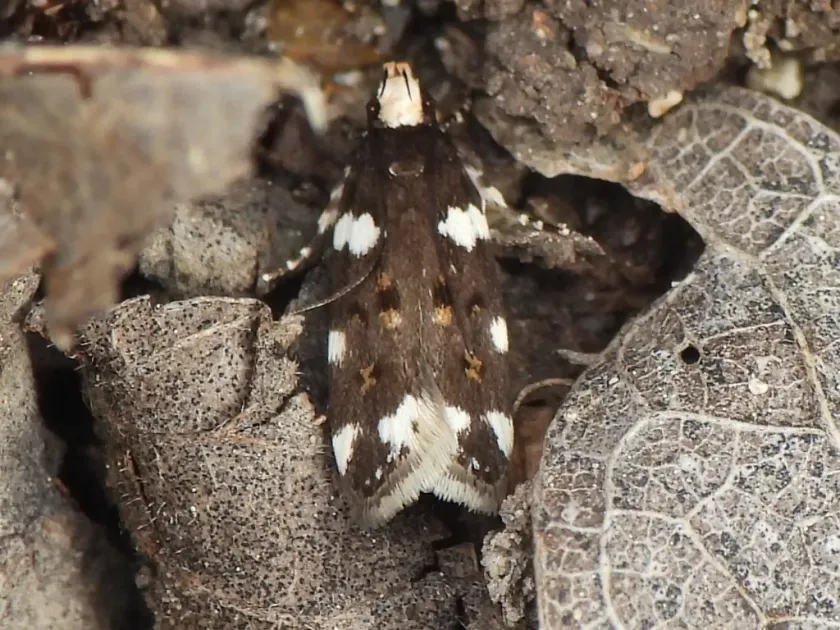
Description
How to identify
The genus Fascista belongs to the order Lepidoptera and the family Gelechiidae. These moths are relatively small, characterized by narrow wings with distinct fringes, which is a morphological signature of this family.
Identifying adult specimens is often difficult due to their cryptic habits and external similarity to closely related species. Specialists rely on genital structure analysis as the primary diagnostic tool for accurate classification.
The larvae of Fascista undergo several developmental stages, during which they grow significantly and change color. They possess well-developed chewing mouthparts that allow them to feed efficiently on plant tissues.
Adults are primarily nocturnal or crepuscular. During the day, they remain hidden in dense vegetation, which makes them difficult to detect during standard field inspections.
Population dynamics of this pest are heavily influenced by environmental factors such as temperature and humidity. Monitoring using pheromone traps is essential for tracking adult activity and determining the timing of control measures.
What it damages
The pest primarily infests legumes and related wild species. Larvae cause the most significant damage by boring into leaves, stems, or reproductive plant organs.
Feeding within the leaf tissue leads to the creation of mines or skeletonization, which reduces the photosynthetic area of the plant. This disruption significantly impacts the overall health and productivity of the crop.
In cases of high infestation, the pest damages buds and pods. This results in direct yield losses, as the plant fails to produce healthy seeds or experiences reduced pod formation.
Damaged plant tissues serve as entry points for secondary infections, such as fungi or bacteria. Weakened plants exhibit lower resilience to environmental stressors and overall lower developmental vigor.
The economic impact is highest during the active growth and flowering stages of the plant. Damage during these critical periods often leads to irreversible losses in harvest potential.
When it appears
The life cycle of the pest is synchronized with the phenology of its host plants. Adult emergence typically coincides with the arrival of stable, warm weather conditions in the spring.
Oviposition occurs on young plant parts, providing newly hatched larvae with immediate access to food. The rate of larval development is highly dependent on the sum of active temperatures accumulated during the season.
In warmer climates, Fascista can produce multiple generations within a single growing season. This leads to an increase in population size towards mid-to-late summer.
The overwintering stage often involves pupae resting in the soil or within plant debris. This biological strategy allows the species to survive harsh winter conditions and re-emerge in the spring.
Mass migration to new fields occurs during peak flight periods. Predictive modeling of these periods is crucial for timing preventive measures and minimizing the need for chemical intervention.
Signs of infestation
Initial signs of infestation include visible leaf mines or skeletonized tissue. The presence of larval frass on leaves is a clear indicator that feeding is taking place.
Larvae often roll leaves into tubes or create webbing between leaves as a protective cover. This behavior makes the larvae less accessible to predators and external treatments.
Stunted growth of the host plant combined with leaf deformation is a strong signal for a thorough phytosanitary inspection. Plants may appear generally distressed compared to healthy neighboring crops.
Premature yellowing or shedding of buds and flowers is often linked to internal feeding damage. This can lead to uneven maturation and lower seed quality at harvest.
Visual observation of moths in the field during the evening, combined with sweep net sampling, allows agronomists to assess the density of the infestation and plan accordingly.
Control measures
Cultural control methods, such as deep plowing in autumn, are effective in destroying pupation sites and reducing the overwintering population for the next season.
Crop rotation is a vital strategy for interrupting the life cycle of Fascista. By avoiding continuous planting of host crops in the same area, farmers can naturally suppress population build-up.
Biological control, including the use of entomopathogenic organisms and beneficial insects, provides a sustainable way to manage the pest without disrupting local ecosystem services.
Chemical control should be applied strictly based on economic threshold levels to prevent unnecessary environmental exposure. It is important to alternate active ingredients to mitigate the risk of resistance development.
Regular monitoring and weed management are essential components of an integrated pest management program. Keeping fields clean prevents the buildup of pests on alternative weed hosts between crops.
Taxonomy
- Latin name
- Fascista
- Order
- Lepidoptera (butterflies)
- Family
- Gelechiidae
- EPPO code
- FSCTSP
Discussion
No discussions yet — be the first.