
Chigger mite
Eutrombicula alfreddugesi
Description
How to identify
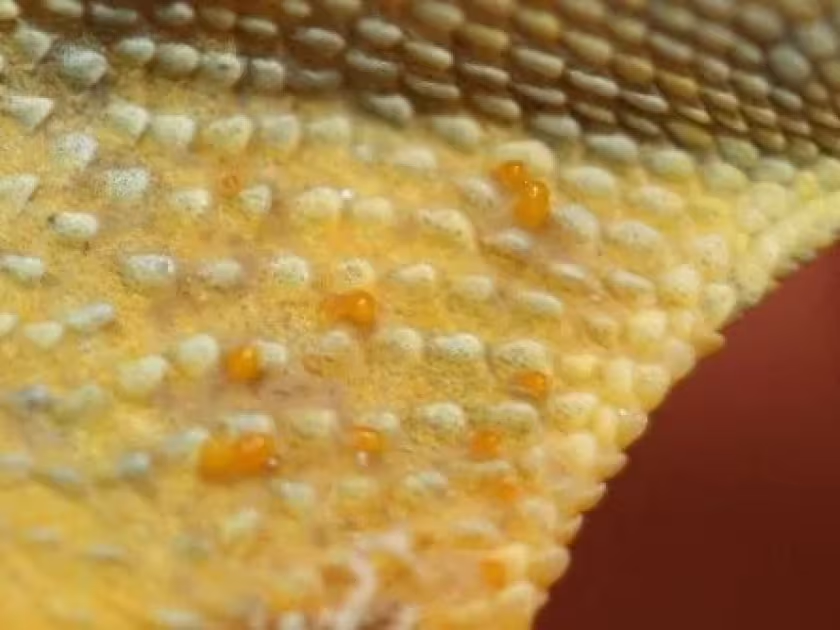
The chigger mite (Eutrombicula alfreddugesi) is a member of the Trombiculidae family, order Trombidiformes. Adult mites are free-living soil dwellers, recognized by their bright red, velvety bodies, typically measuring 1 to 2 mm in length.
The life cycle encompasses several stages: egg, larva, nymphal stages, and adult. Only the larval stage is parasitic, characterized by microscopic size and specialized mouthparts used for attachment to hosts.
Larvae are typically found in moist, shaded areas with dense vegetation, which provides the necessary humidity for their survival. They are highly sensitive to desiccation and rely on leaf litter for protection.
Identification of the adult stage is possible through soil sampling during the spring and summer seasons. Their bright coloration makes them visible against dark soil backgrounds under magnification.
Understanding their preference for specific microclimates is crucial for agronomic planning. These mites thrive in habitats that maintain consistent moisture levels and organic debris.
What it damages
While primarily known as a pest of humans and animals, chigger mite larvae can cause damage to agricultural crops when present in high densities. They primarily feed on plant tissues by attaching to the epidermis of seedlings.
The feeding activity of larvae results in localized necrotic lesions on leaves and stems. These lesions disrupt the plant's ability to photosynthesize effectively, leading to reduced metabolic activity.
Young plants or seedlings are the most vulnerable, as larval feeding can cause stunted growth and structural deformation. This increases the susceptibility of the crop to secondary infections, such as fungi or bacteria.
Heavy infestations can lead to a significant decline in plant vigor. The damage often goes unnoticed until visible chlorosis or tissue necrosis appears on the leaves and stems.
Economic damage is usually indirect, stemming from the need for corrective treatments and the potential reduction in overall crop quality due to compromised plant health.
When it appears
The seasonal activity of the chigger mite is strictly correlated with soil temperature and humidity. Activity typically initiates in late spring when soil temperatures reach optimal development levels.
Peak larval abundance occurs in mid-summer, particularly following rainfall events. High humidity is essential for the transition from the egg stage to the active larval stage.
As temperatures decline in the autumn, the mites move to deeper soil layers for overwintering. The duration of their active season is heavily influenced by regional climate conditions.
Agronomists should prioritize field monitoring during warm, humid periods. Increased vigilance is required after irrigation or heavy rains, which stimulate the activity of larvae.
Understanding the link between weather patterns and life cycle phases allows for more precise timing of pest control interventions throughout the growing season.
Signs of infestation
Infestation signs often include the presence of reddish dust-like particles on the surface of the soil or near the base of plants during early morning hours.
Symptoms in crops manifest as yellowing of leaf margins, curling of the foliage, and a general lack of vitality despite adequate irrigation. Root system development may be significantly hampered.
Microscopic examination of plant stems often reveals small, reddish larvae grouped near growth points. These groups are clear indicators of a developing population that requires management.
Sticky traps placed near the base of plants can effectively indicate the presence of larvae. A high catch rate on these traps confirms an infestation level that warrants immediate attention.
Additionally, field workers may notice skin irritation, which serves as an accidental but reliable sign of chigger mite presence in the cultivated area.
Control measures
Effective management requires an integrated approach focusing on habitat modification. Reducing moisture by managing weeds and improving soil drainage makes the environment less suitable for larvae.
Chemical control involving acaricides should be applied based on economic injury thresholds. Targeted applications during peak larval activity are the most successful strategies.
- Deep tillage in the autumn to disrupt overwintering sites.
- Removal of leaf litter and weeds to decrease habitat humidity.
- Strategic irrigation management to avoid surface saturation.
Biological control using entomopathogenic fungi can suppress mite populations under favorable environmental conditions. These methods are often preferred in sustainable farming systems.
Long-term prevention relies on crop rotation and soil maintenance, which minimize the buildup of organic matter that these mites utilize for shelter and development.
Taxonomy
- Latin name
- Eutrombicula alfreddugesi
- Order
- Mites
- Family
- Trombiculidae
- EPPO code
- TROBAL
Discussion
No discussions yet — be the first.