
Euribia
Euribia
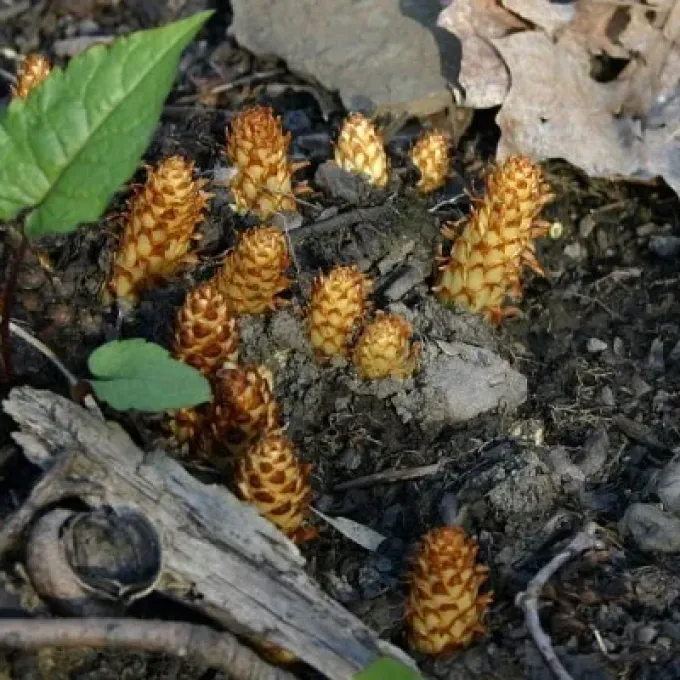
Description
How to identify
Euribia is a genus of insects within the order Diptera, belonging to the family Tephritidae (fruit flies). These insects are recognized by their distinctively patterned wings, which often feature bands or spots essential for identification.
Adult flies are generally small, with coloration typically ranging from brownish-yellow to dark hues. They possess a relatively large head with prominent eyes that may exhibit an iridescent sheen, assisting in visual recognition.
The larvae are typically apodous (legless), whitish or creamy in color, and adapted for living within the plant tissues. Their body structure is typical for gall-forming or seed-feeding tephritids.
Taxonomically, the genus includes various species, many of which are highly host-specific. Accurate identification of specific species usually requires microscopic examination of the female ovipositor and wing venation patterns.
The life cycle is tightly synchronized with the phenology of the host plants. Adults are active during warmer daylight hours, actively seeking suitable host tissues for mating and egg deposition.
What it damages
Euribia species primarily target plants within the Asteraceae family. This includes a wide range of wild species, ornamental garden flowers, and agricultural crops, potentially causing significant yield losses.
Larvae typically burrow into the flower heads (capitula), where they feed on developing seeds and the floral receptacle. This feeding activity leads to the deformation of flowers and destroys the quality of the seed production.
The internal structural damage caused by feeding larvae weakens the plant's growth and overall development. In cases of high infestation, flower buds may abort or dry out prematurely before opening.
Secondary damage often arises from fungal or bacterial infections that penetrate the plant through the entry holes created by the larvae, further compromising the integrity of the host plant.
Economically, the damage is most severe in seed-production fields and floriculture, where even minor infestations result in a loss of marketability and poor seed germination rates.
Signs of infestation
The primary symptom of an infestation is the premature wilting or yellowing of flower heads, often occurring unexpectedly during the active blooming season.
Inspection often reveals small entry holes on the exterior of the flower base, sometimes accompanied by darkened, necrotic tissue around the area of penetration.
Opening an infested flower head reveals the presence of larvae or puparia within the receptacle, along with larval frass, which appears as small dark granules within the bloom.
Infected plants often exhibit stunted or distorted blooms. If the attack is severe, the flower heads may fail to develop properly or show patchy necrotic areas across the petals and bracts.
During peak activity, adult flies can be observed resting on leaves or flower buds. Yellow sticky traps are a highly effective method for early detection and population monitoring.
Control measures
Cultural control is a cornerstone of management, involving the destruction of crop debris and infested plant material immediately after harvest to eliminate overwintering puparia.
Maintaining a rotation schedule and eliminating weeds from the Asteraceae family in the surrounding field margins can significantly reduce the potential for re-infestation each season.
The use of yellow sticky cards or pheromone traps helps manage the population of adult flies, allowing growers to target chemical interventions precisely during the periods of peak activity.
If chemical intervention is necessary, systemic or contact insecticides are applied during the bud formation stage, prior to the egg-laying period, to prevent larvae from successfully penetrating the flower head.
Biological control strategies may involve the release of parasitoid wasps that specifically target tephritid larvae, providing an environmentally friendly way to reduce pest populations within the floral structures.
Taxonomy
- Latin name
- Euribia
- Order
- Diptera (flies)
- Family
- Tephritidae
- EPPO code
- EURBSP
Discussion
No discussions yet — be the first.