
Euphranta
Euphranta
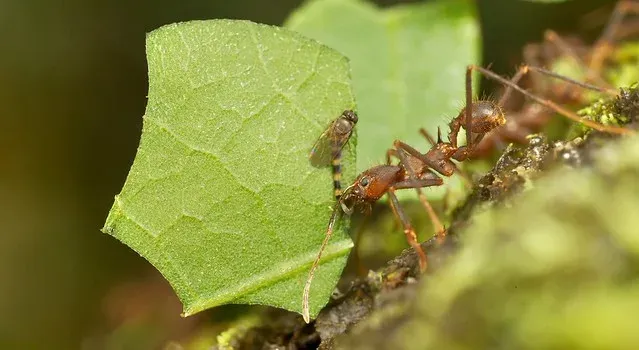
Description
How to identify
Euphranta is a genus of insects belonging to the Tephritidae family, also known as fruit flies. Adults are generally small flies characterized by their distinctive wing patterns and specific behavioral traits associated with finding hosts.
The morphology of these insects includes a highly mobile head with large, often colorful compound eyes. Their body coloration varies, but typically exhibits yellowish or brownish tones, frequently adorned with dark spots or bands on the wings that aid in species identification.
Correct identification often requires entomological expertise, as many species within the family share similar morphological features. The wing venation pattern is the most critical diagnostic character used by researchers to distinguish Euphranta from related genera.
The larvae are cylindrical and apodous (legless), lacking a distinct head capsule, which is typical for Diptera larvae. They complete their development concealed within plant tissues, making them protected from many contact-based treatments.
Females are equipped with a well-developed ovipositor, allowing them to pierce plant tissues such as fruit rinds or stems to lay eggs. This biological trait is what makes them significant agricultural pests, as the damage occurs from within.
What it damages
The primary damage is caused by the larval stage of the insect. Depending on the specific species, Euphranta can affect a variety of hosts, ranging from wild flora to cultivated vegetable and fruit crops.
Larvae feed on the internal tissues of the fruit, creating extensive galleries. This activity leads to tissue necrosis, loss of commercial quality, and often the complete decay of the fruit or the affected portion of the plant.
Young, developing fruit are most susceptible to attack. Oviposition during this stage allows larvae sufficient time to destroy the internal structure as the fruit matures, rendering it unfit for consumption or market sale.
Beyond physical damage, larval feeding facilitates the entry of secondary pathogens, including various fungi and bacteria. This often results in soft rots that accelerate the decomposition process of the host plant.
The level of infestation and subsequent crop loss is highly dependent on climatic variables during the growing season. In favorable years, these pests can cause significant yield reductions in home gardens and commercial fields alike.
When it appears
Adult activity typically peaks during the latter half of spring and throughout the summer months. This period coincides with the emergence of flies from overwintering sites, followed by mating and host seeking.
Oviposition is synchronized with the flowering phase or the early fruit set of the host plants. This window of time is critical for implementing population control measures to prevent heavy infestations.
The life cycle encompasses egg, larval, pupal, and adult stages. The insect spends the majority of its life hidden inside the plant or as a pupa within the soil, which complicates conventional pest monitoring.
Overwintering primarily occurs in the soil at a shallow depth, where pupae remain protected from extreme environmental stressors. As soil temperatures rise in the spring, the emergence of the next generation of adults begins.
The number of annual generations varies based on the geographic region and prevailing temperatures. In warmer climates, the life cycle may accelerate, increasing the risk of multiple waves of damage throughout the season.
Signs of infestation
The primary symptom of infestation is the presence of oviposition marks, or small punctures, on the surface of the fruit where the female has laid eggs. Discoloration of the epidermis often surrounds these puncture sites.
Internal damage manifests as fruit deformation or premature drop. When infested fruit is cut open, one can observe larval galleries filled with frass, often accompanied by the larvae themselves.
The development of soft rot around the entry points is an indirect but hallmark symptom. Affected areas of the fruit typically become water-soaked and darkened in color.
Stunted growth or wilting of shoot tips occurs if the species targets plant stems. This happens because the larvae disrupt the vascular system, preventing the proper transport of nutrients and water.
The presence of adult flies with characteristic wing patterns hovering around host plants during the flowering stage serves as an early warning sign to begin protective measures.
Control measures
Mechanical destruction of infested fruit is the first and most essential step in management. All damaged plant parts must be gathered and properly disposed of to prevent larvae from exiting and pupating in the soil.
Deep cultivation or tilling of the soil during the autumn and spring helps disrupt overwintering pupae. This simple agronomic practice is highly effective at reducing the population density for the next season.
The use of pheromone or sticky traps is an excellent method for monitoring adult flight and reducing the number of fertile females, thereby decreasing the total number of eggs laid in the crop.
Systemic insecticides may be used during the adult flight period before fruit set. It is vital to strictly adhere to pre-harvest intervals to ensure that no chemical residues remain in the final produce.
Crop rotation and spatial isolation of susceptible plants are recommended to prevent mass colonization by the pest. Additionally, selecting resistant cultivars can significantly mitigate the risk of severe Euphranta damage.
Taxonomy
- Latin name
- Euphranta
- Order
- Diptera (flies)
- Family
- Tephritidae
- EPPO code
- EPHNSP
Discussion
No discussions yet — be the first.