
Horse
Equus ferus
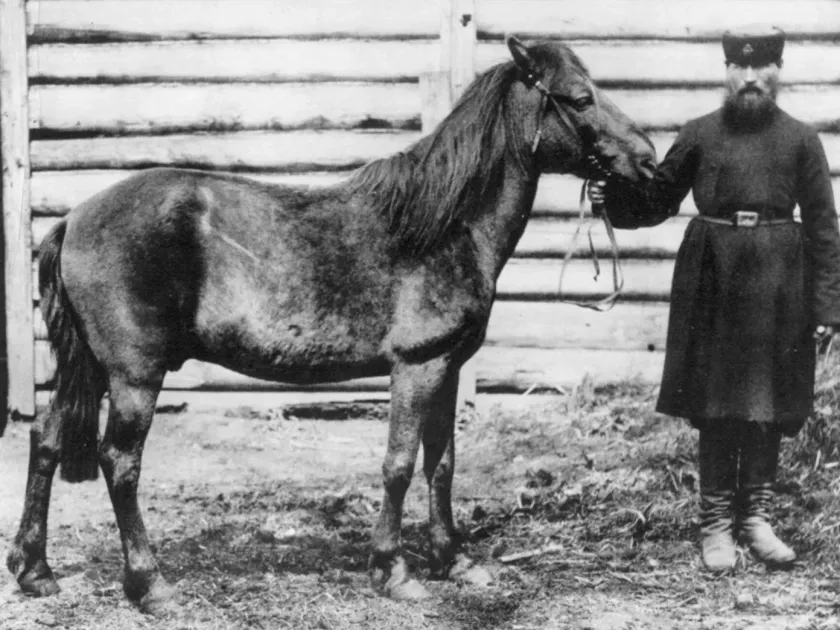
Description
How to identify
The horse (Equus ferus caballus) is a large ungulate of the Equidae family. In agricultural settings, horses act as non-specialized pests that cause significant economic losses by grazing on crops and compacting the soil with their hooves.
Equipped with powerful jaws and sharp incisors, horses can cut vegetation very close to the ground. Their high mobility and herd-based behavior allow them to traverse large areas of land, posing a constant threat to open fields and pastures.
An adult horse consumes a substantial amount of green mass, often up to 30 kg per day. This high dietary requirement means that even a small herd can devastate a crop field in a very short period of time if not properly managed.
Their behavior involves not only feeding but also constant movement, leading to severe soil compaction. The heavy pressure exerted by their hooves disrupts the soil structure, hindering the development of root systems for sensitive crops.
While their activity occurs throughout the year, the highest risk of damage coincides with the peak growing season, when crops are in their most succulent and nutrient-rich stages.
What it damages
Horses cause damage to various agricultural crops, with grains like wheat, barley, and oats being particularly susceptible during the tillering and jointing stages. Grazing often results in the complete loss of the terminal bud, halting growth.
Pastures are prone to degradation due to selective grazing. Horses often target the most nutritious forage species, allowing less desirable weeds to take over and diminishing the overall botanical value of the grassland.
Horticultural crops, such as vegetables and maize, suffer the most severe damage. A herd can wipe out an entire plot of vegetables overnight, rendering the remaining yield unmarketable and causing total financial loss.
Orchards are at risk from bark-stripping behavior. Horses can gnaw on the bark of young fruit trees, damaging the cambium layer and frequently killing the saplings by disrupting the plant's nutrient transport system.
Soil compaction caused by heavy hoof traffic affects soil aeration and water infiltration. This negatively impacts plant health, leading to stunted growth even in areas where the vegetation has not been directly eaten by the animals.
Signs of infestation
The primary sign of a horse presence is the distinct shape of hoof prints left in the soil. These marks are easily identifiable and serve as the most reliable indicator that an animal has entered the crop zone.
A "mowed" appearance of the vegetation indicates equine grazing. Unlike small rodents, horses strip large bunches of stems, leaving uneven edges at varying heights across the field, which is a classic symptom of their feeding behavior.
The presence of manure in the field is a clear confirmation of horse activity. It also acts as a vector for the dispersal of weed seeds, which may be introduced from grazing areas located outside the farm's boundaries.
Damage often appears in patches or trampled areas where plants have been crushed or completely removed. Regular scouting of the field perimeter can help detect these zones early before the damage spreads further.
Broken fences, flattened hedges, or worn-down access paths into the field are primary markers that indicate where and how horses are entering, providing clues for strengthening field defenses.
Control measures
The most effective method for controlling horse-related damage is the use of electric fencing (pulsed fence systems). These fences are humane yet highly effective at deterring horses from entering sensitive crop areas.
For high-value crops like orchards or gardens, permanent mechanical barriers such as wire mesh or sturdy wooden fences are recommended. Ensuring the fence height is appropriate is crucial to prevent the animals from jumping over.
Agrotechnical practices include maintaining clear buffer zones around the field. Removing brush and clearing access routes helps reduce the likelihood of horses wandering into the cultivated land undetected.
Visual and acoustic deterrents can serve as temporary measures. However, horses often become habituated to these sounds, so they should be used in combination with physical barriers to ensure long-term effectiveness.
Legal and collaborative management with local livestock owners is essential. Documenting damage and maintaining communication with neighbors can prevent recurring incidents and resolve property boundary disputes effectively.
Taxonomy
- Latin name
- Equus ferus
- Family
- Equidae
- EPPO code
- EQUUCA
Discussion
No discussions yet — be the first.