
Gooseberry fruit fly
Epochra
Description
How to identify
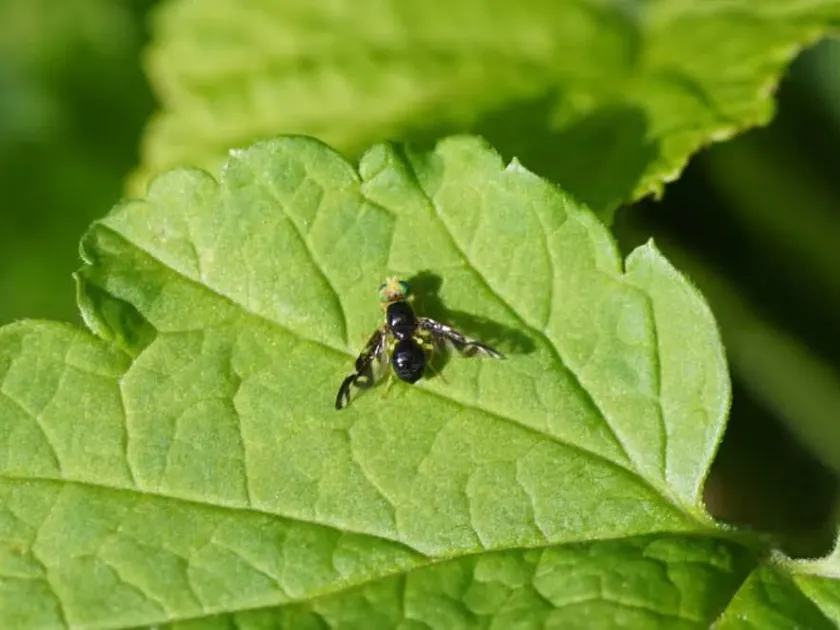
The gooseberry fruit fly, scientifically known as Epochra canadensis, is a member of the fruit fly family (Tephritidae). The adult insect is small, measuring about 5–6 mm in length, with a yellowish-brown body.
A distinctive feature of this species is the pattern on its wings, which are clear but marked with dark, distinct transverse bands. The flies also exhibit characteristic greenish-tinted eyes, typical for many tephritid species.
The larvae are typical legless, creamy-white maggots. As they grow, they reach about 6–7 mm in length before exiting the fruit to pupate in the soil.
Pupae survive the winter in the soil beneath host bushes, encased in barrel-shaped puparia. These structures protect them from the harsh conditions of the dormant season.
Adult flies emerge during the flowering period of host plants, which makes the timing of their appearance critical for effective monitoring and pest management strategies.
What it damages
The primary hosts for this pest include gooseberries, as well as red and white currants. Larvae feed exclusively on the internal tissues of the developing berries.
Adult females use their ovipositor to pierce the skin of the berry and deposit a single egg inside. A single female can infest numerous fruits throughout the season, causing significant crop loss.
As the larva feeds on the pulp and seeds, the berry loses its internal integrity, leading to a loss of quality, shriveling, and often the development of secondary fungal rot.
Infested berries often show signs of premature coloration, appearing to ripen faster than healthy fruits, which is a deceptive indicator of the extensive damage occurring inside.
The total economic impact includes both the immediate loss of yield and the reduction of the plant's overall health due to constant physiological stress caused by the infestation.
When it appears
Adult flies typically emerge from the soil in late spring, generally coinciding with the flowering of gooseberry and currant bushes when temperatures become consistently warm.
The egg-laying period is extended, with females actively seeking out young, vulnerable berries for oviposition. This phase usually lasts for several weeks during the early summer.
Larval development occurs within the fruit over a period of several weeks. The rate of growth is heavily dependent on ambient temperature and the specific microclimate of the garden.
After completing their growth phase, mature larvae emerge from the fruit and drop to the soil, where they burrow down to form puparia and enter a period of diapause.
The pest spends the remainder of the summer, autumn, and winter in the soil, completely inactive, waiting for the return of favorable environmental conditions the following year.
Signs of infestation
A close inspection of the developing berries will reveal tiny dark punctures on the skin, which indicate where the female fly has deposited an egg.
Infested berries often appear mottled or deformed. While they may seem to reach maturity early, they are usually hollowed out internally by the feeding activity of the maggot.
The most definitive sign of infestation is finding a creamy-white maggot inside the berry when it is opened, confirming the presence of the Epochra canadensis larvae.
Premature fruit drop is a common indicator of a high infestation level, as the damaged berries lose their connection to the plant's nutrient transport system.
Secondary signs include the appearance of mold or rot on the surface of berries that should otherwise be healthy, caused by the entry of pathogens through the egg-laying site.
Control measures
Cultivation practices are essential: tilling the soil around the base of bushes in late autumn or early spring can expose pupae to frost or predators, significantly reducing their survival rate.
Applying mulch or landscape fabric under the canopy of bushes can physically block emerging flies from reaching the surface, preventing them from mating and laying eggs.
Using yellow sticky traps is a highly effective way to monitor adult activity and can help reduce the population density if deployed early in the season.
Sanitation is key: regularly collecting and destroying any fallen, damaged, or premature berries prevents the larvae from successfully burrowing into the soil for pupation.
- Selection of early-maturing cultivars that may escape the peak emergence of the fruit fly.
- Using organic repellents or biological sprays during the egg-laying phase, if permitted.
- Maintaining healthy plant nutrition to improve the overall resilience of the berry bushes.
Taxonomy
- Latin name
- Epochra
- Order
- Diptera (flies)
- Family
- Tephritidae
- EPPO code
- EPOCSP
Discussion
No discussions yet — be the first.