
Ephysteris
Ephysteris
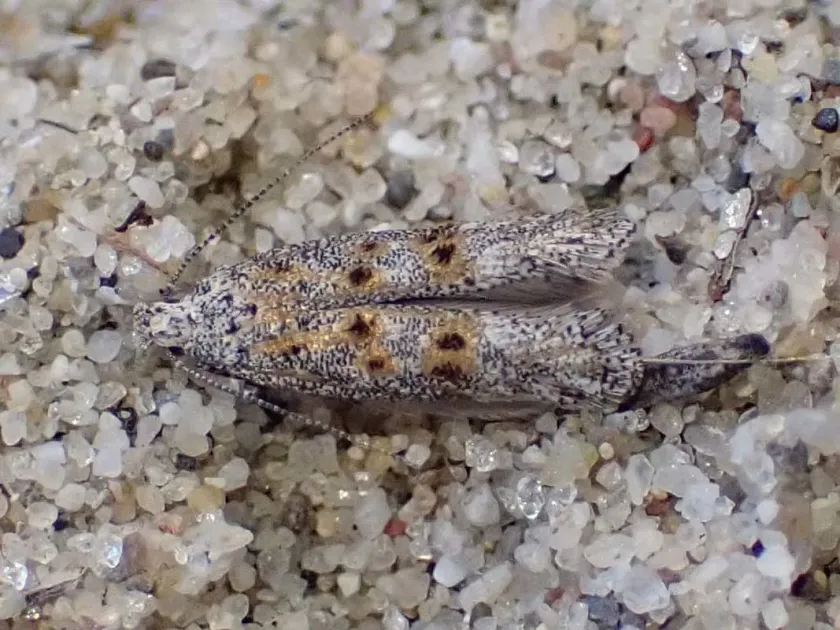
Description
How to identify
Ephysteris is a genus of moths belonging to the family Gelechiidae (twirler moths). These insects are recognized for their small, inconspicuous appearance, often blending seamlessly into their environment, which makes them difficult for farmers to spot.
Adult moths of this genus typically have a wingspan of approximately 10–15 millimeters. Their wing coloration, predominantly in shades of grey, brown, or tan, provides excellent camouflage against soil, leaves, and bark.
The larvae, or caterpillars, progress through several instars, typically presenting a pale body with a darker, hardened head capsule. This morphological structure is characteristic of the Gelechiidae family and is essential for accurate identification in field settings.
The life cycle follows a complete metamorphosis: egg, larva, pupa, and adult. Females deposit eggs on host plants or in nearby debris, ensuring that larvae have immediate access to food sources upon hatching.
Field monitoring is best conducted using light traps or pheromone lures at night, as adult moths are primarily nocturnal and exhibit high sensitivity to artificial light sources during their activity peaks.
What it damages
Ephysteris moths affect a diverse array of agricultural plants, including vegetables, legumes, and various wild host plants. The damage is primarily caused by the larvae, which are specialized for internal tissue consumption.
Larval feeding creates mines within leaf tissues, which disrupt the plant's photosynthetic efficiency. This leads to weakened foliage, stunted growth, and significantly reduced plant vigor over the growing season.
Generative organs are particularly vulnerable. When larvae bore into flower buds or developing fruit, they cause irreversible damage, often leading to premature fruit drop and direct yield loss.
Internal feeding also creates openings in the plant's epidermal layers, which act as entry points for secondary pathogens. Bacterial and fungal infections often follow, further complicating the initial physical damage caused by the insect.
Severe infestations can lead to significant economic losses, especially if the pest population reaches a threshold where chemical intervention becomes the only viable method to save the remaining harvest.
When it appears
The activity of Ephysteris begins in late spring, generally triggered by sustained temperatures exceeding 15°C. This period marks the start of the primary flight and egg-laying phase for the first generation.
Depending on regional climatic conditions, the moth can produce multiple generations per season. In warmer climates, the life cycle is compressed, leading to higher population densities by mid-summer.
Wintering occurs primarily in the pupal stage, hidden within the soil or deep beneath dense plant residues. This strategy allows the species to survive harsh cold periods and re-emerge successfully the following spring.
The peak infestation period usually aligns with the intensive growth stages of the crops, placing extra stress on the plants when they are most vulnerable to environmental factors and herbivory.
As the season draws to a close, adult activity decreases, but the presence of late-instar larvae on harvested crops or crop remains should be noted as a potential source for next year's re-infestation.
Signs of infestation
The most visible signs of an infestation are leaf mines—irregular, pale, or brownish trails on the leaf surface. These indicate where larvae have been actively feeding beneath the epidermis.
Small deposits of frass (larval excrement) near the mines or within the crevices of the plant stems are clear indicators that the infestation is current and ongoing.
Leaf curling, yellowing, and sudden withering of plant tips often suggest that a larva is feeding inside the tissue of that specific section, restricting nutrient flow and causing localized decline.
Premature abscission of flowers or buds is a significant red flag. Examining these dropped organs often reveals larval activity or entry holes at the base of the flower or fruit.
During the night, observers can use flashlights to detect the presence of adult moths flying low over the canopy, particularly in fields with high humidity and dense crop stands.
Control measures
Effective pest management begins with cultural practices, such as deep plowing after harvest. This action disrupts the pupal stage in the soil and reduces the overwintering survival rate of the moth population.
Weed management is critical. Since many weeds act as alternate hosts, keeping field margins clear and maintaining a weed-free environment minimizes the local reservoir of the pest.
Biological control, such as the application of Bacillus thuringiensis, is highly recommended for organic and integrated pest management systems. It targets the larval stages effectively while protecting beneficial predatory insects.
Chemical control should be reserved for periods of high infestation, using systemic or contact insecticides. Always ensure that the selected products are registered for the specific crop and that application adheres to safety intervals.
- Monitoring via pheromone or light traps
- Implementing strict crop rotation
- Removal of crop residues post-harvest
- Targeted application of approved insecticides
Taxonomy
- Latin name
- Ephysteris
- Order
- Lepidoptera (butterflies)
- Family
- Gelechiidae
- EPPO code
- EPHTSP
Discussion
No discussions yet — be the first.