
Ensina
Ensina
Description
How to identify
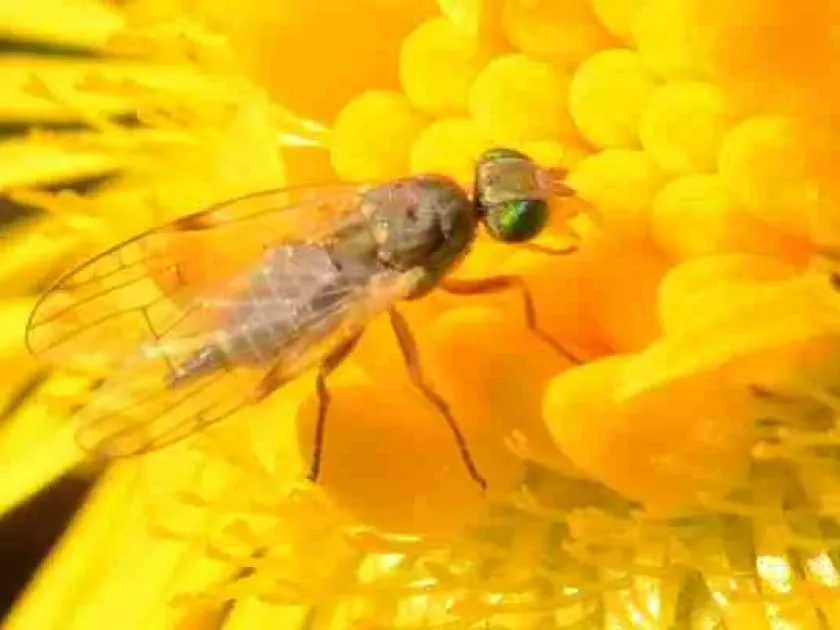
Ensina (lat. Ensina) belongs to the Tephritidae family, commonly known as fruit flies or picture-winged flies, within the order Diptera. These are relatively small insects characterized by distinct and often intricate patterns on their wings, which serve as a primary identification feature.
Adult flies possess specialized mouthparts for feeding on plant liquids and nectar. Their body color typically ranges from yellowish-brown to dark brown, allowing them to blend into their host plants effectively, which is crucial during the oviposition period.
The life cycle of this pest includes four distinct stages: egg, larva, pupa, and imago. The larvae are typically legless, white or creamy in color, and feature specialized mouth hooks that enable them to feed on internal plant tissues.
They naturally inhabit areas with diverse vegetation, showing a strong preference for the Asteraceae family. Identifying specific species within the Tephritidae family often requires a microscopic examination of wing venation and body markings.
Reproduction typically occurs during the flowering period of their host plants. Females use their ovipositors to insert eggs directly into the flower buds or developing seeds, ensuring an immediate food supply for the hatching larvae.
What it damages
The primary damage is inflicted by the larvae, which feed within the flower heads and seed pods of various crops. This feeding process frequently destroys the seeds, leading to severe yield losses in seed-production fields.
Most affected plants are members of the Asteraceae family. Damage manifests as stunted growth of the flower heads, reduced seed viability, and the overall loss of commercial value for ornamental and edible crops.
When larvae tunnel into the flower head, they consume the ovules and developing seeds. This interference prevents proper pollination and fruit development, often causing the flower to wither prematurely.
Furthermore, the physical damage caused by larval feeding creates entry points for various fungal and bacterial infections. This leads to secondary rots that can quickly spread to healthy parts of the plant.
In high-density populations, Ensina can devastate a crop’s reproductive output. Farmers and nursery managers often face significant economic losses due to decreased seed quality and the rejection of damaged flower stock.
When it appears
The seasonal appearance of Ensina is largely dictated by environmental temperature and the flowering phenology of host plants. Adults typically emerge in late spring or early summer when conditions favor reproduction.
Multiple generations can occur within a single growing season if the weather remains consistently warm. Population numbers usually peak in mid-summer, coinciding with the peak flowering period of susceptible vegetation.
Warm and dry weather conditions accelerate the larval development rate, allowing the insect to complete its life cycle more rapidly. Conversely, excessive rainfall or prolonged cool temperatures can significantly inhibit fly activity and reproduction.
The pest spends the winter in the pupal stage, usually buried in the soil or hiding within crop debris. This overwintering strategy allows the population to survive harsh winter conditions and emerge successfully the following season.
Monitoring the first appearance of adults using sticky yellow traps is a standard practice for managing this pest. Early detection allows for timely intervention before significant oviposition occurs.
Signs of infestation
Initial signs of infestation include the presence of malformed or withered flower buds that fail to bloom properly. Small puncture marks may be visible on the surface of the buds where females have inserted their eggs.
Upon inspecting the interior of the flower, one can observe larval excrement, which appears as fine, dark granular material. This is a tell-tale sign of active larval feeding within the tissues.
If a flower head is opened, the legless, whitish larvae are often visible consuming the seed-bearing tissues. Affected areas usually turn brown or black due to tissue necrosis caused by feeding.
- Distorted or stunted flower heads.
- Small entry or exit holes on bud petals.
- Premature yellowing and drying of blossoms.
- Reduced germination rates in harvested seed lots.
Regular field scouting during the budding phase is essential for detection. Observations should focus on the flower heads, as these are the primary sites where damage is most likely to occur.
Control measures
Managing Ensina requires a holistic approach that integrates cultural practices, biological monitoring, and judicious chemical application. The goal is to minimize damage while protecting beneficial pollinators.
Cultural control is paramount, involving the removal and destruction of host weeds (especially Asteraceae) near the field borders. Deep plowing after harvest helps bury pupae and disrupt their overwintering cycle.
Chemical control focuses on targeting adult flies before they deposit eggs. Pesticides should be applied during the early stages of infestation to prevent the larvae from reaching the protected internal parts of the flower head.
Biological control agents, such as parasitoid wasps, can provide natural regulation of larval populations. Encouraging these beneficial insects can significantly lower the overall pest density without relying solely on chemical sprays.
Strict crop rotation and the prompt disposal of post-harvest waste are critical to limiting the buildup of local populations. By breaking the cycle of available host plants, farmers can effectively reduce the recurring risk of infestation.
Taxonomy
- Latin name
- Ensina
- Order
- Diptera (flies)
- Family
- Tephritidae
- EPPO code
- ENSISP
Discussion
No discussions yet — be the first.