
Dryadaula
Dryadaula
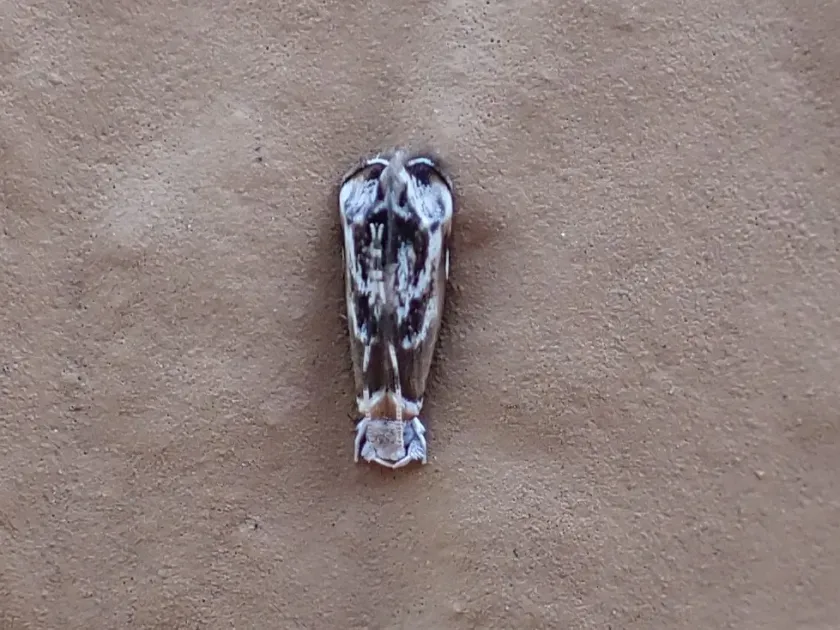
Description
How to identify
The genus Dryadaula belongs to the family Dryadaulidae, a group of micro-moths known for their cryptic lifestyle. These small insects are often overlooked in standard field observations due to their excellent camouflage against bark and plant foliage.
Adult moths possess wing structures and genitalia unique to the taxon, which are essential for accurate scientific identification. Understanding their taxonomy is crucial for targeting specific control measures, as their behavior differs significantly from other common orchard moths.
Their life cycle typically consists of egg, larva, pupa, and adult stages. The larvae are the primary stage responsible for plant damage, and they often spend their time boring into tissues to hide from predators.
Environmental factors such as temperature and humidity significantly influence the development of each generation. In favorable conditions, these moths can complete multiple cycles during a single growing season, increasing the risk of severe infestations.
Monitoring the adult population using specialized light traps is an effective way to track their activity levels and predict when the next generation of larvae will likely appear in the orchard.
What it damages
Dryadaula species primarily affect woody plants and various shrubs. They are known to cause damage by feeding on the bark and underlying cambium layer, which often disrupts the transport of nutrients within the plant.
When larvae tunnel into shoots and twigs, they create galleries that weaken the structural integrity of the plant. This structural damage can lead to branch breakage and reduced productivity in fruiting trees.
The tunnels created by these pests act as entry points for secondary pathogens, including various fungal and bacterial infections. Often, the damage caused by these secondary agents is more detrimental to the tree than the larval feeding itself.
Young trees and nursery stock are at the highest risk, as minor damage to the central leader or main branches can lead to permanent deformity or the death of the specimen.
The economic impact of this pest varies depending on the crop species and the scale of the infestation, making early detection and intervention essential for preserving plant health.
Signs of infestation
Infestation is often marked by the presence of small holes in the bark, accompanied by "frass," which looks like fine brownish dust or powder. This is a telltale sign of active larval tunneling.
Wilting branches, especially during dry or hot periods, often indicate that the internal transport system of the twig has been compromised by boring larvae. This local wilting is a critical signal for immediate inspection.
The accumulation of webbing or silk remnants on the bark surface, near pruning scars or nodes, often indicates locations where the larvae are protected or where pupation is occurring.
Discoloration of foliage on specific branches, which occurs in the absence of obvious diseases, should prompt a closer look at the bark of that particular branch for signs of entry holes.
Regular surveys of orchard trees during the active growing season are vital to catch these pests before they migrate into deeper woody tissues where they are harder to reach with conventional treatments.
Control measures
Integrated Pest Management (IPM) is the most effective approach for controlling Dryadaula. This begins with rigorous sanitation practices, such as the pruning and immediate destruction of infested plant materials.
Biological control methods, including the use of entomopathogenic nematodes or bacteria, can be very effective when applied at the right timing, specifically when larvae are first exposed on the surface of the bark.
Chemical control should rely on the application of systemic insecticides during the peak of larval activity. Timing is critical to ensure that the chemical is absorbed before the larvae burrow too deep into the woody tissues.
- Removing and burning infested twigs to eliminate larvae and pupae.
- Whitewashing tree trunks to deter egg-laying and cover cracks.
- Using sticky bands on trunks to monitor and catch mobile larvae.
Maintaining tree vigor through proper irrigation and fertilization is the best defense, as healthy trees possess better natural defense mechanisms against wood-boring insects.
Taxonomy
- Latin name
- Dryadaula
- Order
- Lepidoptera (butterflies)
- Family
- Tineidae
- EPPO code
- DRYASP
Discussion
No discussions yet — be the first.