
Dolichodera
Dolichodera
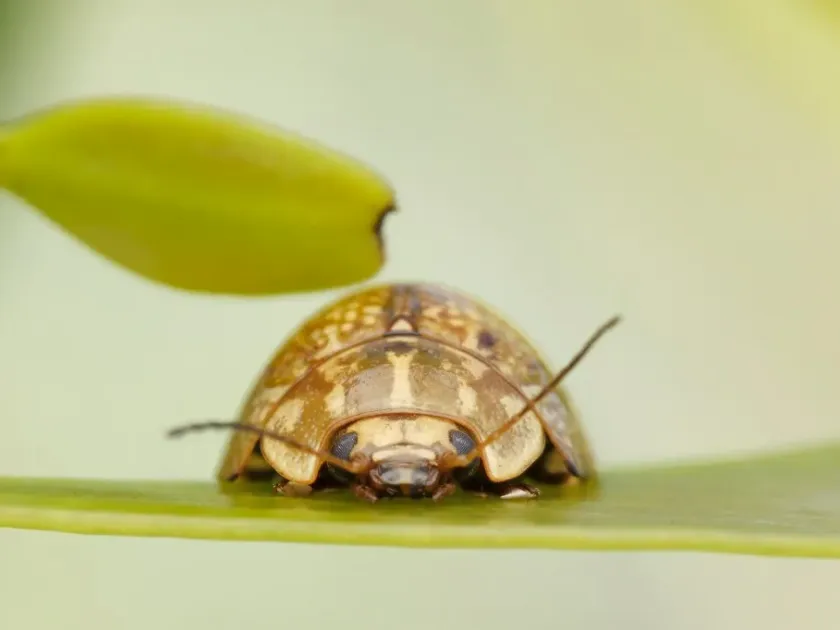
Description
How to identify
Dolichodera is a genus of insects belonging to the family Formicidae, order Hymenoptera. In agricultural settings, certain species within this genus act as indirect pests by forming symbiotic relationships with other damaging insects.
These ants exhibit body structures typical of the Dolichoderinae subfamily. Key identification features include a single node (petiole) between the thorax and abdomen, and the absence of a stinger.
The size of individual ants varies by species, though most are small to medium-sized with monomorphic workers. Their coloration ranges from yellowish-brown to dark brown.
In their natural habitat, these ants typically establish nests in soil, under rocks, or within decaying wood, making their colonies difficult to locate initially.
Precise identification of the specific Dolichodera species usually requires expert entomological examination, as visual differences between related genera can be subtle for non-specialists.
What it damages
The primary damage caused by Dolichodera is not direct herbivory, but rather the facilitation of sap-sucking insect infestations through mutualism.
The ants actively tend to aphids, mealybugs, and scale insects, protecting them from natural predators such as ladybugs and lacewings.
In exchange for this protection, the ants collect honeydew, a sugary secretion from these sap-suckers, which subsequently encourages the growth of sooty mold on leaves and stems.
Crops affected by these secondary infections suffer from reduced aesthetic value and significantly lower yields due to inhibited photosynthesis.
Furthermore, ants may damage seedling roots while constructing tunnels and galleries in the immediate vicinity of the root zone in greenhouse environments.
When it appears
The activity of Dolichodera begins in early spring as soon as the topsoil layers warm up, signaling the end of their winter diapause.
The peak of activity and worker population density correlates with the period of intensive plant growth, when the first aphid colonies appear.
During the summer months, the colonies expand rapidly, as workers increase tunnel construction and focus on gathering food for the brood from their sap-sucking charges.
Towards late summer and early autumn, the ants prepare for hibernation, though their negative impact on fields often persists until the onset of sustained cold weather.
In greenhouse settings, if stable, warm temperatures are maintained, the ant life cycle can continue year-round, promoting sustained aphid outbreaks.
Signs of infestation
A primary indicator of a colony is the presence of heavy ant traffic moving along stems and branches of crops in consistent, directed paths.
A sticky honeydew residue on foliage followed by the development of dark, sooty mold patches is a clear sign of ant-tended sap-sucker activity.
Observations of dense clusters of aphids or mealybugs that are being physically relocated or defended by ants serve as a definitive diagnostic sign.
Visible soil disturbance around the base of plants, including small holes or mounds of excavated earth, points to active nest building.
Sudden wilting of plants without obvious moisture deficits is often caused by the destruction of root hairs during nest construction near the plant base.
Control measures
Controlling Dolichodera requires an integrated approach that targets both the ants and the sap-sucking insects they protect.
The use of insecticidal gels and bait stations, which worker ants carry back to the nest, is the most effective method for eliminating the queen and the entire colony.
Regular cultivation of soil between rows and the removal of weeds significantly reduces the attractiveness of the site for new colony establishment.
Applying sticky adhesive bands to tree trunks prevents ants from accessing the canopy, thereby isolating aphid populations and leaving them vulnerable to predators.
- Targeted use of insecticides like diazinon or deltamethrin on nesting sites.
- Biological control: promoting beneficial insects like ladybirds to manage aphid populations.
- Cultural practices: autumn and spring soil tilling to disrupt nesting tunnels.
Taxonomy
- Latin name
- Dolichodera
- Order
- Lepidoptera (butterflies)
- Family
- Sesiidae
- EPPO code
- DOLASP
Discussion
No discussions yet — be the first.