
Diversibipalium
Diversibipalium
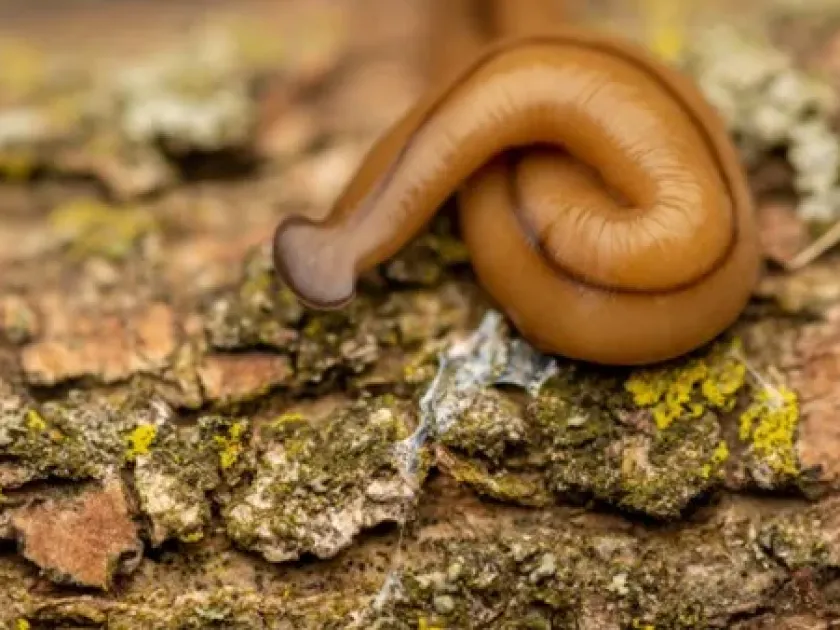
Description
How to identify
Diversibipalium is a genus of land planarians belonging to the family Geoplanidae. They are easily identified by their broad, crescent-shaped or spade-shaped heads.
These organisms have long, flattened bodies covered in mucus. Their appearance can vary in color and pattern, often featuring longitudinal stripes along the dorsal surface.
Unlike segmented worms, their bodies are smooth and lack internal or external segmentation. They possess numerous sensory eyespots along the perimeter of their head.
They are strictly nocturnal and thrive in cool, moist environments. They are sensitive to desiccation and require high humidity to survive on the soil surface.
They are considered invasive in many regions outside their native range, as they often travel through international trade in potting soil and nursery plants.
What it damages
Diversibipalium acts as a predator of soil invertebrates, with a particular dietary preference for earthworms, which are vital for soil health.
By preying on earthworms, they disrupt the natural soil aeration and decomposition processes, leading to long-term soil quality degradation.
Agricultural and horticultural settings suffer indirectly, as the loss of earthworm populations reduces the nutrient cycling necessary for plant growth.
In greenhouses, these worms can establish dense populations, continuously reducing the beneficial soil fauna essential for healthy plant development.
Their presence is a biological indicator of disturbed soil ecosystems, posing a threat to both domestic gardens and commercial nurseries.
When it appears
Their activity is highly dependent on environmental conditions, peaking during wet and mild seasons when soil moisture is at its highest.
During the peak of summer or cold winter months, they retreat into deep soil crevices or sheltered areas to maintain a stable microclimate.
They reproduce both sexually and through fragmentation, which allows them to colonize new garden beds rapidly when moisture levels are optimal.
They are most frequently seen in the early morning or following heavy rain events, when they emerge from their hiding spots to hunt.
As moisture is their primary requirement, their activity patterns closely mirror the local irrigation and rainfall schedules in gardens and nurseries.
Signs of infestation
A significant decline in the earthworm population in garden beds or compost piles is a primary indicator of Diversibipalium presence.
Mucus trails on the soil, walkways, or greenhouse surfaces are clear signs that these nocturnal predators have been active nearby.
Physical sightings of the worms occur most often under mulch, logs, stones, or inside containers where moisture is retained throughout the day.
In greenhouses, they are often found climbing surfaces or hiding beneath pots, where they await their prey in the moist substrate.
Monitoring the soil surface under damp conditions is the most effective way to detect them before they reach high population densities.
Control measures
Currently, there are no registered chemical pesticides for the control of land planarians, making physical management the primary strategy.
Manual collection is necessary: use protective gloves and dispose of the worms by placing them in a sealed container with vinegar or salt.
Preventative measures include inspecting all incoming nursery stock and potting soil for signs of worms or egg capsules before introducing them to the garden.
Removing potential hiding spots, such as debris, fallen leaves, and unnecessary stones, can reduce the available habitat for these pests.
Public awareness and reporting findings to local agricultural extension offices are crucial steps to preventing the spread of this invasive organism.
Taxonomy
- Latin name
- Diversibipalium
- Family
- Bipaliidae
- EPPO code
- DIVBSP
Discussion
No discussions yet — be the first.