
Bipalium
Bipalium
Description
How to identify
Bipalium is a genus of large, predatory terrestrial flatworms belonging to the Geoplanidae family, widely known for their distinct head shape.
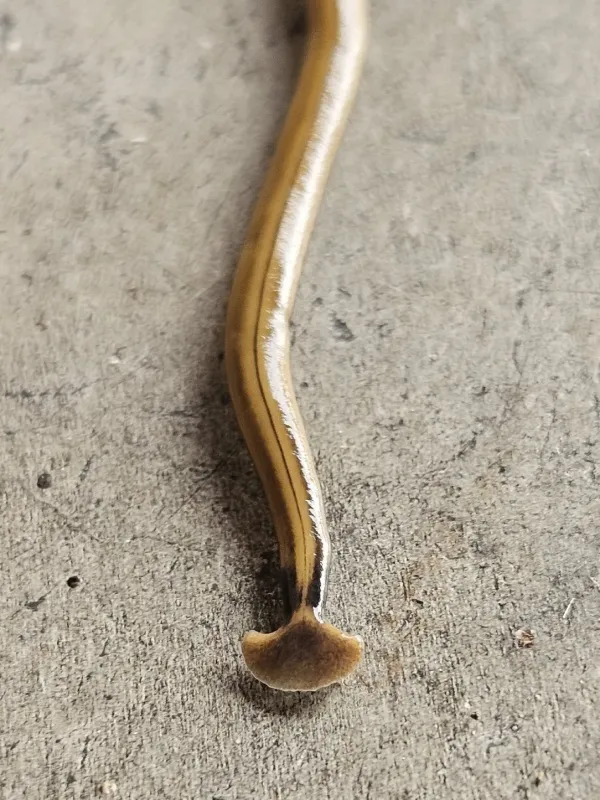
The head of these worms is expanded laterally, forming a crescent or hammer shape, which serves as a highly efficient sensory organ for detecting prey.
Their bodies are elongated, muscular, and coated in a specialized mucus that facilitates movement and protects them from desiccation in humid environments.
The coloration usually consists of yellowish, brown, or olive tones, often marked with dark longitudinal stripes running along the dorsal surface.
These organisms exhibit remarkable regenerative abilities, meaning that even a small segment of the body can grow into a complete new worm if left undisturbed.
What it damages
Bipalium is considered a detrimental invasive species because it preys exclusively on earthworms, the vital engineers of soil health.
By decimating earthworm populations, these flatworms indirectly cause soil compaction and a significant reduction in the availability of essential soil nutrients.
Plants growing in soils affected by Bipalium often exhibit stunted growth and reduced vigor due to the loss of natural aeration provided by earthworms.
While they do not consume plant tissues, their presence leads to a collapse in the biological productivity of the garden ecosystem.
In greenhouses and nurseries, they pose a significant threat to the soil quality of potted plants, potentially spreading through the nursery trade.
When it appears
The activity of Bipalium is heavily reliant on environmental moisture, making them most prevalent during humid or rainy seasons.
In temperate climates, these worms are primarily active from late spring through early autumn, whenever soil moisture is high.
During dry or excessively hot periods, they retreat into deeper soil layers or hide under debris, logs, and thick mulch to conserve water.
Greenhouses with high humidity levels and constant moisture provide an ideal environment for Bipalium to remain active and reproduce throughout the year.
Movement between locations often occurs via the transportation of nursery stock or organic soil, meaning monitoring should be year-round.
Signs of infestation
The most reliable sign of Bipalium presence is the visual observation of the worms, especially after rainfall or heavy watering in the early morning.
Look for glistening, slime-covered trails left on soil surfaces, walkways, or the interiors of greenhouse walls during night hours.
A noticeable decline in earthworm numbers or the absence of earthworm castings in previously fertile soil is a strong indicator of an invasion.
When disturbing the soil or moving pots, you might find adult worms or fragments of their bodies that release a defensive mucus.
Finding "hammerhead" shaped specimens near plant bases confirms the need for immediate exclusion and control procedures.
Control measures
Manual collection is currently the most effective method for managing Bipalium populations, as no specific chemical pesticides are labeled for their control.
Collected specimens should be dropped directly into a container filled with vinegar or salt solution to kill them instantly without leaving fragments.
Implement strict quarantine measures for any new plants entering your garden, ensuring that the soil and root systems are thoroughly inspected first.
Remove unnecessary ground cover, such as loose rocks or old wooden boards, to minimize the moisture-rich shelters they require to survive.
Encourage garden hygiene by promptly removing dead organic matter and minimizing irrigation runoff in areas where these flatworms have been spotted.
Taxonomy
- Latin name
- Bipalium
- Family
- Bipaliidae
- EPPO code
- BIPASP
Discussion
No discussions yet — be the first.