
Bipalium nobile
Bipalium nobile
Description
How to identify
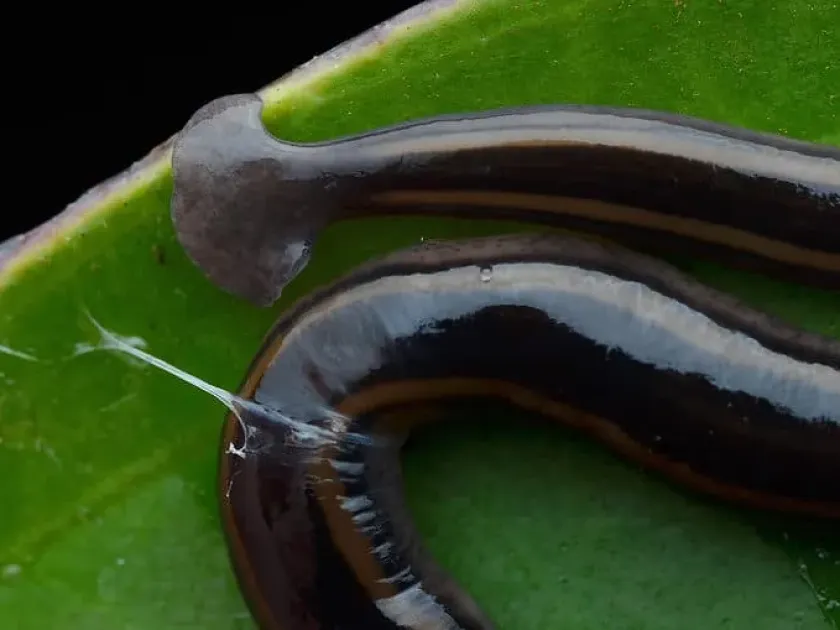
Bipalium nobile is a species of large predatory land flatworm belonging to the family Geoplanidae within the order Tricladida. They are easily identified by their distinct, semi-circular or spade-shaped head, which gives them the nickname "hammerhead worm."
These worms can reach significant lengths, often growing beyond 20 to 30 centimeters. Their bodies are soft, covered in mucus, and typically exhibit yellow-brown or tan coloration with darker longitudinal stripes running down their backs.
The mouth of the Bipalium is located on the underside of its mid-body, not the head. This anatomy supports their predatory nature, as they glide over surfaces to hunt smaller soil organisms using highly specialized sensing and digestive mechanisms.
As an invasive species, they are often transported globally via the nursery trade. Their ability to survive in moist soil inside plant pots makes it easy for them to establish new populations in domestic gardens and professional greenhouses alike.
A crucial biological feature is their capacity for fragmentation. If a Bipalium is cut or accidentally torn, the pieces have the ability to regenerate into independent, fully functioning individuals, making manual eradication challenging.
What it damages
The primary concern regarding Bipalium nobile is its impact on the soil ecosystem rather than direct consumption of plant tissues. These worms are specialized predators that feed heavily on earthworms, the vital soil engineers.
By consuming earthworms, Bipalium populations severely deplete the soil's natural aeration and decomposition capabilities. This leads to soil compaction and reduced drainage, which indirectly hinders the growth and health of agricultural and horticultural crops.
In greenhouse settings, where earthworm presence is often encouraged for healthy substrate management, an invasion of Bipalium can lead to significant ecological degradation. Plants may exhibit signs of nutrient stress due to the disruption of organic matter recycling.
Since they are invasive in many regions, they lack native predators to keep their population in check. This lack of natural controls allows them to dominate the local invertebrate community, threatening biodiversity within the affected landscape.
While they do not chew leaves or stems, the cumulative damage caused by the destruction of the soil's biological infrastructure makes them a significant hidden threat to plant vitality and agricultural productivity.
When it appears
Bipalium nobile are nocturnal hunters that thrive in conditions of high humidity. They are most active during wet or rainy seasons, as they require moisture to survive and navigate the soil surface effectively.
During daylight hours, they seek refuge in cool, dark, and damp locations. Gardeners often find them hiding under rocks, logs, debris, or damp potting containers where they remain protected from the drying effects of direct sunlight.
Peak activity generally occurs during the spring and autumn months when temperatures remain consistently between 15°C and 25°C. These conditions provide the perfect environment for their movement and prey-seeking behavior.
In controlled environments such as greenhouses or indoor plant collections, Bipalium can remain active throughout the year, provided that watering practices keep the soil damp. This makes them a persistent concern for nursery operations.
Active monitoring should be conducted in the early morning or evening. Inspecting areas beneath pots and irrigation equipment can help detect their presence early before they reproduce and spread further across the cultivation site.
Signs of infestation
A primary indicator of infestation is a sudden and unexplained decline in earthworm activity. If your garden soil or potting mix suddenly lacks the presence of tunnels and earthworm castings, Bipalium presence should be considered.
Visible mucous trails, similar to those left by slugs or snails but often found in more confined soil spaces, may indicate the path of a land flatworm. Finding these on greenhouse floors or benches is a common warning sign.
Inspecting the base of plant pots is essential, as these worms often congregate in drainage trays or under the pots themselves. Moist, sheltered spots serve as their preferred hunting grounds and resting places during the day.
The physical sight of the worm is the most definitive sign. They appear as slender, long ribbons that move with a rhythmic gliding motion. They often attempt to burrow into cracks or crevices when exposed to light or disturbance.
Plants showing gradual decline, such as yellowing leaves, stunted growth, or increased sensitivity to soil moisture issues, may be suffering from the environmental impact of the Bipalium, which has compromised the surrounding soil ecology.
Control measures
There are no known chemical pesticides specifically labeled for the eradication of Bipalium nobile. Management relies on physical removal and environmental modification to make the area less hospitable for the pest.
If you encounter an individual, remove it wearing gloves and using tools like tweezers. Place the worm into a container filled with salt water or alcohol; simply cutting it is ineffective and will cause it to multiply through regeneration.
Strict quarantine protocols for all new plant acquisitions are vital. Always thoroughly inspect the root ball and the interior of the nursery pots before introducing new plants into your garden or existing greenhouse collection.
Maintain proper garden hygiene by clearing away excess mulch, damp debris, and unnecessary structures that offer refuge for the worms. Ensuring good drainage and avoiding chronically waterlogged soil will also help reduce their attractiveness to the site.
Using physical barriers like food-grade diatomaceous earth around the base of vulnerable plants can create a deterrent. While not a total solution, it disrupts their ability to move safely across surfaces and can serve as part of an integrated pest management strategy.
Taxonomy
- Latin name
- Bipalium nobile
- Family
- Bipaliidae
- EPPO code
- BIPANO
Discussion
No discussions yet — be the first.