
Palm weevil (Diocalandra sasa)
Diocalandra sasa
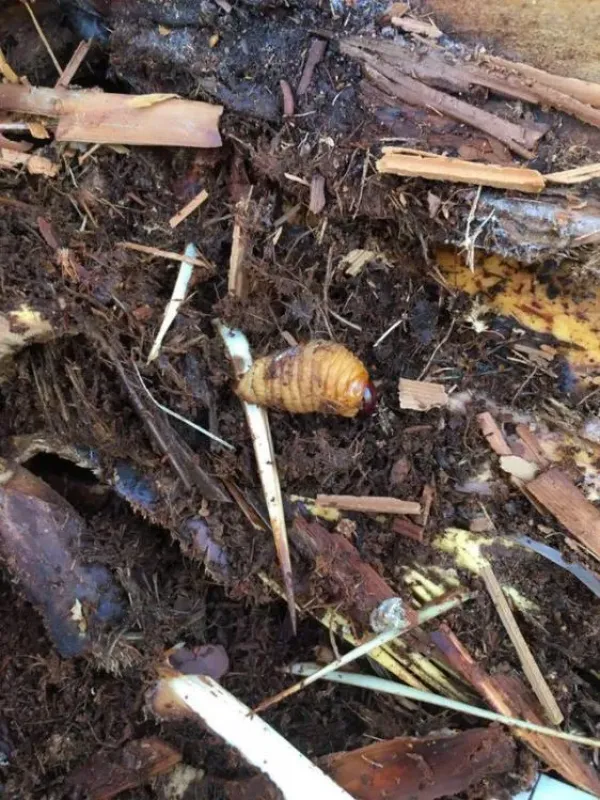
Description
How to identify
The palm weevil Diocalandra sasa is a small beetle belonging to the Curculionidae family. Adult beetles typically measure between 6 and 8 mm in length, possessing an elongated, dark brown to black body with distinct pale spots on the elytra.
The larvae of this species are legless, fleshy, and cream-colored with a sclerotized brownish head. Their entire development occurs inside the plant tissue, making them extremely difficult to detect during the early stages of infestation.
Adults are primarily nocturnal, which explains why they are rarely spotted during daylight hours. They use their specialized rostrum to feed on plant juices and to bore small holes for egg-laying.
The life cycle length is highly dependent on environmental conditions, particularly temperature and humidity. In tropical or subtropical regions, the pest can undergo multiple generations throughout the year.
Diocalandra sasa is considered an invasive quarantine pest in many parts of the world, capable of causing widespread damage to susceptible palm species if left unchecked.
What it damages
This weevil targets various palm species, most notably the date palm (Phoenix dactylifera), coconut palm, and popular ornamental palms like Washingtonia and Chamaerops.
The larvae are responsible for the most severe damage as they mine into the petioles, meristematic tissues (growing points), and the trunk, systematically destroying the structural integrity of the palm.
By tunneling through internal tissues, the larvae disrupt the vascular system, preventing the upward transport of water and nutrients, which leads to localized necrosis.
The holes bored by both larvae and adults facilitate secondary colonization by fungi and bacteria, which often cause rot and accelerate the collapse of the host plant.
Significant infestations lead to irreversible damage to the apical bud, eventually causing the entire canopy to wither and the palm to die within a relatively short period.
Signs of infestation
The most characteristic sign of an infestation is the presence of gumosis—a thick, sticky sap exuding from holes in the leaf stalks or the trunk of the palm tree.
Small, circular entry and exit holes on the surface of the trunk or petioles are clear indicators of the weevil's activity, often accompanied by piles of sawdust-like frass.
Visual symptoms in the canopy include premature yellowing and drooping of lower fronds, which signifies a compromised internal structure of the palm.
In advanced cases, the central spear (the youngest leaf) may become loose and easily pulled from the crown, indicating that the apical meristem has been destroyed.
- Sticky sap (gumosis) leaking from the trunk.
- Small circular holes on leaf bases.
- Accumulation of frass (boring dust).
- Gradual yellowing and necrosis of the crown.
- Easy detachment of the central frond.
Control measures
Management starts with rigorous phytosanitary monitoring of all imported palm materials to prevent the introduction of the pest into new, uninfested areas.
Mechanical control is crucial: all highly infested plant parts must be pruned and incinerated immediately to eliminate the source of the infestation and prevent further spread.
Chemical intervention often involves stem injections of systemic insecticides, which effectively move through the palm's vascular system to kill larvae living deep inside the trunk.
In urban landscapes, regular preventative spraying with contact insecticides can help reduce adult populations during their peak activity periods, although this is less effective against larvae.
Maintaining the overall health of the palm through proper irrigation and balanced fertilization is essential, as healthy trees are often more resilient to initial pest pressure.
Taxonomy
- Latin name
- Diocalandra sasa
- Order
- Coleoptera (beetles)
- Family
- Dryophthoridae
- EPPO code
- DIOCSA
Discussion
No discussions yet — be the first.