
Dichomeris oceanis
Dichomeris oceanis
Description
How to identify
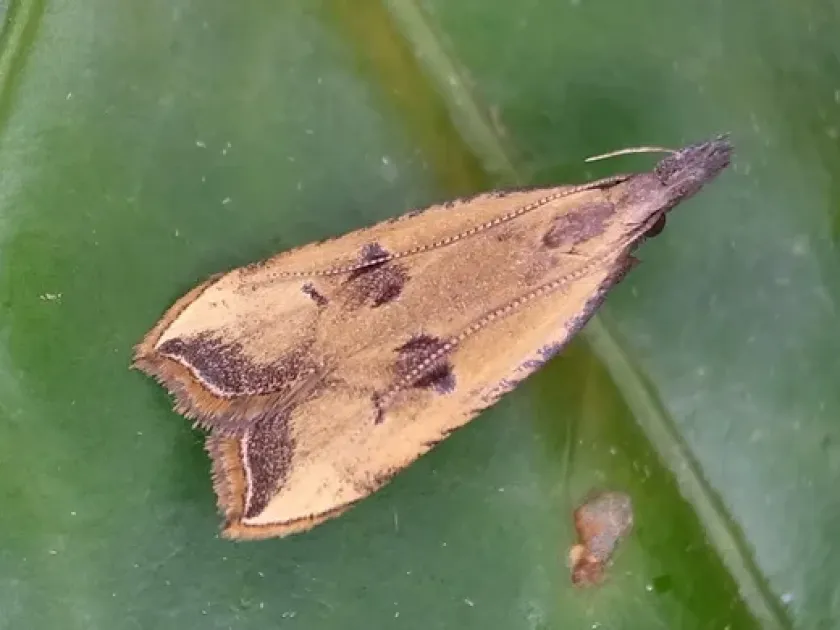
Dichomeris oceanis is a moth species belonging to the order Lepidoptera and the family Gelechiidae. As members of this family, the adults are characterized by narrow, elongated wings that are kept folded close to the body when the insect is at rest.
The coloration of the adult moth is typically cryptic, blending well with the soil or host plant surfaces to evade predators. Adults possess a functional proboscis adapted for feeding on nectar, contributing to their survival and reproductive success.
The larval stage consists of caterpillars which possess a well-defined head capsule and thoracic legs. These larvae are highly active and are responsible for the primary damage inflicted upon crops during their development.
Identification in the field can be challenging due to the morphological similarities between species within the Gelechiidae family. Detailed examination of genital structures or molecular analysis is often required for definitive identification.
The insect undergoes complete metamorphosis, including egg, larva, pupa, and adult stages. Understanding these stages is essential for timing integrated pest management interventions effectively.
What it damages
Dichomeris oceanis is recognized for its feeding activity on various legume species. The larvae feed on foliage, flowers, and developing pods, causing substantial direct damage to the crop.
Feeding on leaves leads to a reduction in the photosynthetic area of the plant, which stresses the plant and significantly reduces overall yield potential. Severely damaged plants show stunted growth.
When larvae penetrate the pods, they consume the developing seeds. This damage not only results in direct yield loss but also introduces pathogens that cause secondary infections and decay of the harvested grain.
The pest can become economically significant in areas where host crops are cultivated continuously without proper crop rotation. High infestation levels can lead to total loss in specific fields.
In addition to direct damage, the presence of the pest disrupts the plant's physiological processes, making it more susceptible to environmental stress and other diseases.
When it appears
The seasonal activity of Dichomeris oceanis is heavily influenced by ambient temperature and humidity levels. The peak flight and egg-laying periods usually occur during the warm spring and summer months.
The number of generations per year is dictated by the thermal units accumulated during the growing season. In warmer climates, the species may produce multiple overlapping generations.
Larvae are most active during the warmer parts of the day. As temperatures drop, their metabolic activity decreases, and they often seek shelter within rolled leaves or soil crevices to pupate.
Overwintering typically occurs in the pupal stage, hidden within plant debris or in the upper layers of the soil. This dormancy period is a weak point that can be targeted through cultural practices.
Predicting the onset of infestation requires monitoring of local climate data and field scouting throughout the growing season to ensure timely response.
Signs of infestation
The most visible signs of infestation include leaves being folded or tied together with fine silken threads produced by the larvae. These shelters protect the insects while they feed.
Small holes on the leaves and presence of frass (larval excrement) indicate the active feeding of the larvae. These signs are often concentrated on the tender parts of the plant, such as growing tips.
Damage to the reproductive organs, including flower buds and pods, is a critical indicator. Discolored or deformed pods often suggest internal feeding by the larvae.
Field scouting should involve a close inspection of the canopy, particularly the underside of leaves and inside folded clusters, where the insects are most likely to be found.
- Silken webs on foliage.
- Rolled or folded leaf margins.
- Holes in leaf tissues and pods.
- Visible larval excrement.
- Premature pod drop or flower abortion.
Control measures
Effective control starts with cultural practices such as crop rotation, which breaks the pest's lifecycle. Removing and destroying crop residues after harvest is crucial to eliminate overwintering sites.
Deep tillage of the soil post-harvest is an effective method to disturb the pupal stages, reducing the potential population size for the following season.
Chemical control involving systemic or contact insecticides should be applied based on economic thresholds. Proper timing during the egg-hatching phase is essential for optimal results.
Biological control, including the use of microbial insecticides such as Bacillus thuringiensis, can be integrated into the management strategy to provide eco-friendly protection.
Pheromone monitoring allows farmers to track the flight of adults, enabling precise timing of interventions and reducing the need for blanket pesticide applications.
Taxonomy
- Latin name
- Dichomeris oceanis
- Order
- Lepidoptera (butterflies)
- Family
- Gelechiidae
- EPPO code
- DICMOC
Discussion
No discussions yet — be the first.