
Dichomeris
Dichomeris
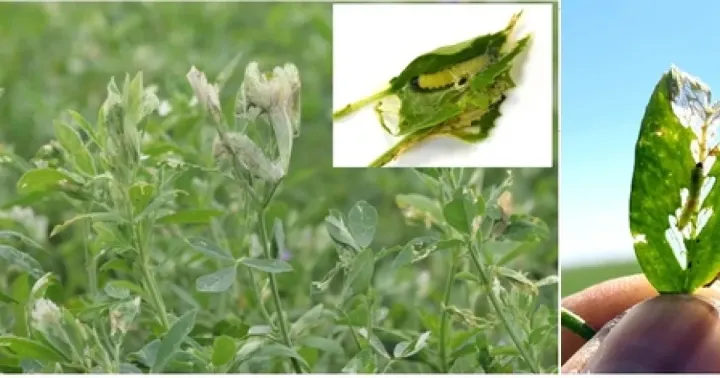
Description
How to identify
The genus Dichomeris belongs to the family Gelechiidae, order Lepidoptera. These moths are characterized by their narrow, elongated forewings with a distinct indentation, which is a hallmark of the family.
Adult moths are typically small and exhibit cryptic coloration, ranging from shades of brown to grey, which provides effective camouflage against bark or leaf litter.
The larvae, or caterpillars, have cylindrical bodies and are often found hidden within rolled or webbed leaves, making them difficult to detect during initial inspections.
The development cycle consists of egg, larva, pupa, and adult stages, with the pupal stage typically occurring in sheltered areas near the host plant.
Precise identification of the species usually requires an entomological examination, as many members of the genus share similar morphological traits.
What it damages
Dichomeris species act as pests on a variety of woody plants and shrubs, frequently targeting trees in orchards and ornamental gardens.
Damage is primarily caused by the larvae, which feed on the leaves, creating irregular holes or causing the foliage to wither and curl.
In severe infestations, the larvae can consume significant portions of the leaf surface, leading to reduced photosynthetic capacity and stunted growth.
Some species are known to attack buds and flowers, directly reducing the fruit set and causing economic losses to the affected plantation.
The feeding activity often leaves behind webbing, which collects debris and frass, potentially creating favorable conditions for secondary mold infections.
When it appears
The appearance of adults generally correlates with spring temperatures, which trigger the emergence of the first generation from overwintered pupae.
Larval activity peaks during the late spring and summer months, coinciding with the rapid vegetative growth period of host plants.
Depending on the climatic zone, the insect may complete multiple generations per year, significantly increasing the risk of widespread damage.
Overwintering usually takes place in the pupal stage or as late-stage larvae sheltered within debris, under bark crevices, or in the soil surface.
Monitoring for adults using pheromone traps is a recommended strategy to predict larval outbreaks and apply timely control measures.
Signs of infestation
The most reliable sign of a Dichomeris infestation is the presence of webbed, curled, or tied leaves on the terminal shoots of the host plant.
Feeding symptoms include skeletonized leaves or large, jagged holes eaten through the blade, often accompanied by silk threads.
Dark frass pellets found inside the webbed leaf clusters are a clear indicator that larvae are actively feeding within the shelter.
Stunted development of young branches and the premature abscission of damaged leaves are common indicators of established colonies.
- Web-bound leaf clusters.
- Irregular feeding holes in leaves.
- Accumulation of larval frass.
- Deformed terminal growth.
Control measures
Management of Dichomeris involves an integrated approach combining sanitation, biological control, and targeted insecticide applications.
Removing and destroying fallen leaves and pruning heavily infested branches can significantly reduce the overwintering population.
Biological control agents, such as parasitoid wasps or microbial insecticides containing Bacillus thuringiensis, provide effective and environmentally friendly suppression.
Chemical control should be reserved for high-threshold outbreaks and should be applied using products that minimize impact on beneficial insect populations.
Regular field scouting and the use of pheromone-based monitoring tools are essential for the early detection and management of this moth species.
Taxonomy
- Latin name
- Dichomeris
- Order
- Lepidoptera (butterflies)
- Family
- Gelechiidae
- EPPO code
- DICMSP
Discussion
No discussions yet — be the first.